Pokémon is one of those franchises that invests in an entire massive world but leaves enough ambiguity for fans to flesh out in their own unique ways. This has led to plenty of arguments over the years, especially when it comes to the original two games in the series. Pokémon Red and Blue leave plenty of threads for fans to latch onto.
Videos by ComicBook.com
Some of the most memorable, however, are the ones that hint at the grimmer potential of the series. Sometimes, the theories give tragic or creepy ways to connect different species to one another. Others seek to explain what happened to otherwise conspicuously absent characters or creatures. Here are seven fan theories that’ll change how you see the original Pokémon games.
Parasect Is One Of The Scariest Pokemon
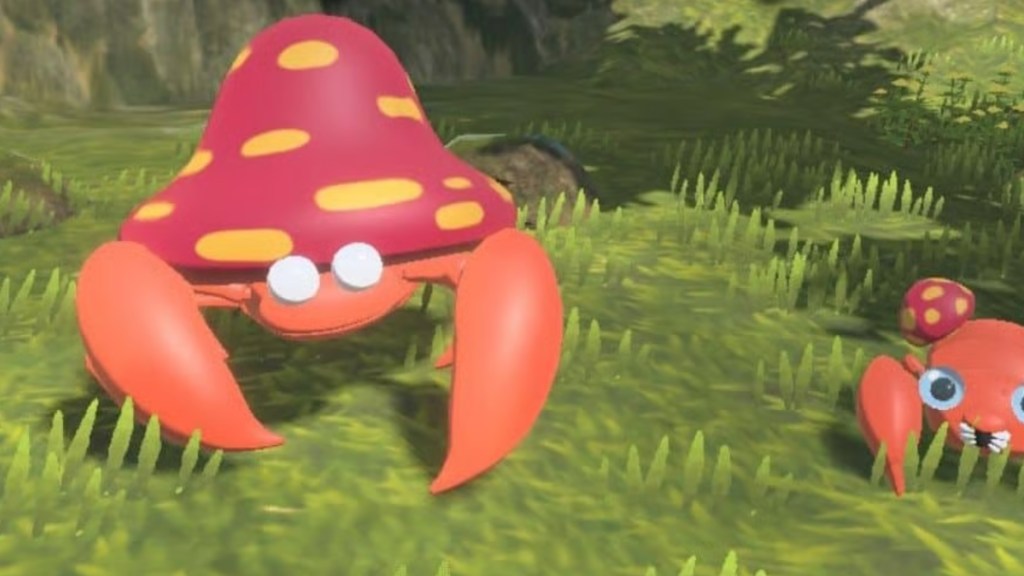
Parasect has been a fixture of the Pokémon franchise since the early days of the series, a large crab-looking insect with a mushroom instead of a shell. However, the Pokedex entry from Pokémon Red and Blue about the creature suggests it’s a monster straight out of The Last of Us. The entry says that the creature is a “host-parasite pair in which the parasite mushroom has taken over the host bug.”
This is similar to real-life Cordyceps fungi, which take over certain species by growing into their brains. Theories argue that the mushroom is only beginning with Parasect, too, and that the mushrooms growing out of the Paras before they evolve into Parasect are steadily adapting them into their final form. This is also notably similar to how the fungi in The Last of Us operate, suggesting a dark potential future for the Pokémon series where the mushroom evolves and spreads to other species.
The Player Kills One Of Their Rival’s Raticate
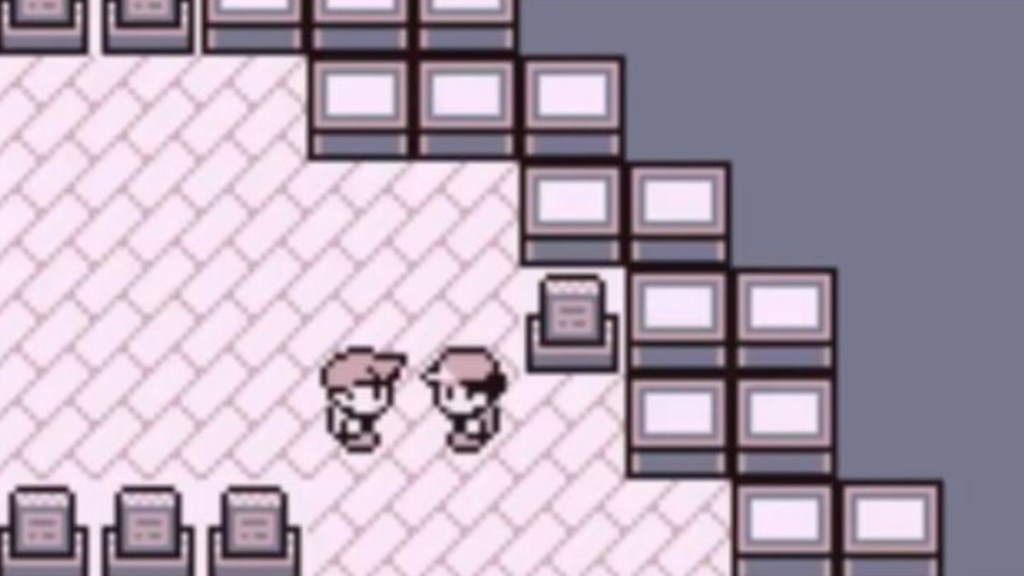
Pokémon Red and Blue pit players against an established rival, the grandson of Professor Oak, who serves as your jerky contrast. However, one prevailing theory argues that your rival has a pretty good reason to dislike the player. During early encounters with the Rival, players are forced to battle his Rattata, and then a Raticate. However, following a duel on the S.S. Anne, the Raticate is never seen again.
The theory argues that the player ended up accidentally doing too much damage to the rodent, and the Rival was unable to reach a Pokémon Center in time to rescue it. This explains why the Rival is next seen at the Pokémon Tower, which is used as a cemetery for deceased Pokémon. It gives the rivalry — and the Rival’s furious desire to beat the player — a much darker undercurrent for the rest of the game.
The Pokémon War Shaped The World In Drastic Ways
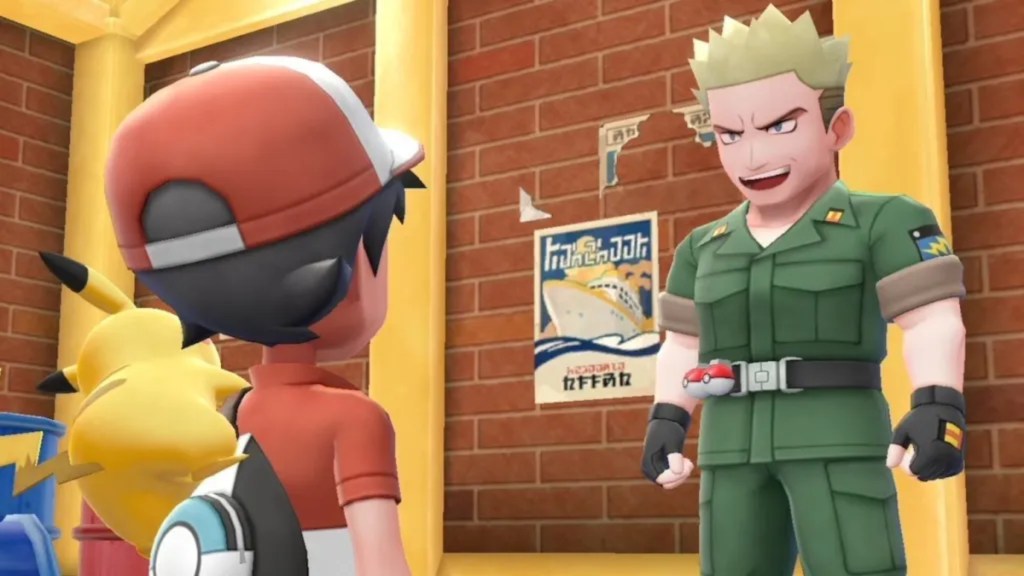
Mentioned by Lt. Surge during a dialogue prompt, an off-screen war involving Pokémon has generated plenty of theories over the years. The conflict has seemingly ended long before the main events of the game, but it would explain why certain Pokémon are less common than others, as they may have been primarily brought into conflict — and as a result, either been rendered endangered by casualties or declared too dangerous to simply wander the world.
Some examples of this could be Bulbasaur, Charmander, and Squirtle, as their fully evolved forms might be thought of as wartime creatures that only someone elderly and in the academic field would have easy access to. Another possible fallout of a Pokémon War could explain the general lack of men of a certain age in the Kanto Region, including the player’s father. Some theorize that the player’s father was among the casualties of the conflict, explaining why the player’s mother is alone.
MissingNo And Ditto Are Failed Mew Clones
Mew is one of the most powerful natural Pokémon, which led to the creation of Mewtwo. However, some fan theories suggest that there are other Pokémon out there that are other failed efforts to replicate the powerhouse. Some theorize that Ditto was one such creation, explaining why it’s primarily found in the lab setting of the Pokémon Mansion.
Another fan theory argues that MissingNo is another such attempt to clone Mew. MissingNo is an infamous glitch in gaming history, a technically non-existent Pokémon that can break the world and cause further visual glitches. Some theorize that MissingNo was another attempt to create a clone of Mew, explaining its fantastic powers and strange appearance, as well as its proximity to the Pokémon Labs.
Evolved Pokemon In The Wild Used To Belong To People

In Pokémon Red and Blue, there are certain types of Pokémon that can only be evolved via trading, such as Machamp, Gengar, and Alakazam. However, some of these types of creatures can be found in the wild in later games. To explain that consistentcy of the worldbuilding, some fans theorize that the wild versions of the creatures actually used to belong to trainers.
In this theory, the previous owners either released the Pokémon into the wild or were killed, leaving their Pokémon to scatter into the wild. It’s a grim theory, and one that plays into the overarching question of what happens to the Pokémon that belonged to trainers who perish. It also suggests that some trainers don’t survive their encounters with wild Pokémon, which adds a certain level of tension to the player’s exploration of the world.
Gengar Is The Shadow Of Clefairy

Another theory connecting Gengar connects the powerful ghost Pokémon to another one of the memorable entries in the game — Clefable. The theory argues that Ghastly and other shadow Pokémon are directly born from Clefairy and Clefable, which have some unique supernatural attributes that other Pokémon lack. The theory even suggests that the power of the Clefables are enough to split their shadows into their own living form.
This explains why Gengar looks so similar to Clefable from a purely visual standpoint. It also explains why Gengar and the other Pokémon in their evolution line have such power compared to other Pokémon, as well as why they’re some of the only Ghost Pokémon that appear in the first games.
Cubone And Kangaskhan Are Related

Cubone has one of the saddest origin stories of any of the Pokémon that appear in Pokémon Red and Blue. The small creature is a Pokémon that wears the skull of its deceased mother, which eventually fuses with it fully when it evolves into Marowak. However, the similar appearance of an unmasked Cubone and a baby Kangaskhan has raised some big questions about how they may be connected.
One sad theory suggests that Cubones were actually originally a baby Kangaskhan instead of their own distinct species. If a Kangaskhan gets the chance to be fully raised, it grows into that species. However, without a Kangaskhan to nurture and enhance the baby, it instead grows into the smaller and scrappier Cubone (and in turn a Marowak).
Most Viewed
-

Image Courtesy of Studio Bones -
Image Courtesy of Science SARU