The gaming industry has been in a unique place recently, with the industry growing even as console sales dwindle. The rise of mobile games and a growing number of subscription-centric releases have only complicated matters further, with publishers trying to find more success in the cloud than on consoles. No company best exemplifies this more than Microsoft.
Videos by ComicBook.com
After becoming one of the de facto forces within the PC market, the company’s move into console gaming with the Xbox shook up the industry in some fundamental ways at the turn of the century. Now, 25 years later, the Xbox brand seems to be on life support, even as Microsoft Gaming seems to be carrying forward. However, for fans of the Xbox consoles, Microsoft’s ambitions for the future might come with a touch of sadness, as they might end up dooming the Xbox in the process.
The Xbox Might Not Be The Future Of Microsoft Gaming
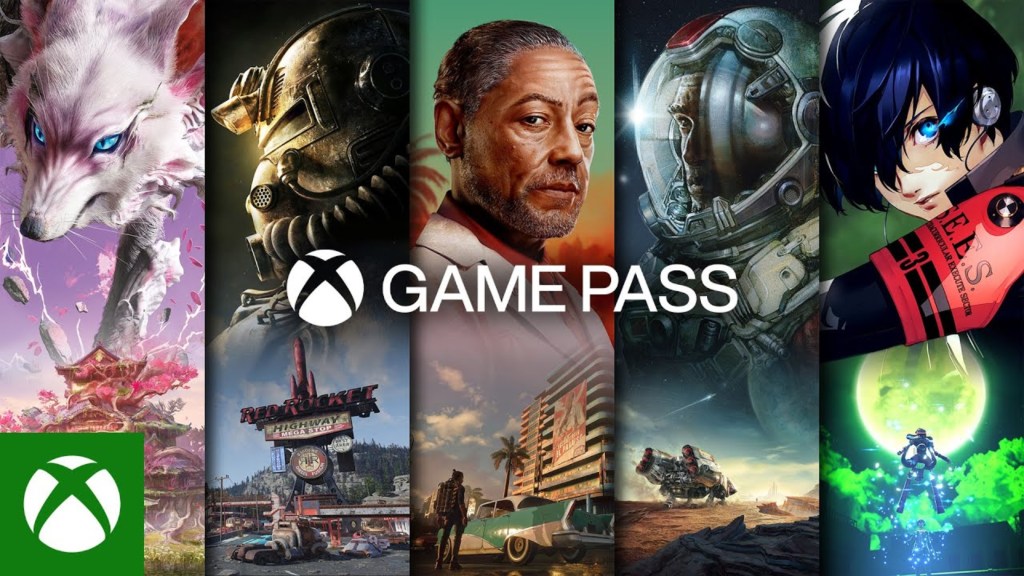
The Xbox had a rough year in 2025 — and it might be all going according to Microsoft’s plans for the future. Console gaming as a whole suffered in 2025, with hardware spending down 27% from the previous year. Rising prices complicated the issue across the board, especially with global tariffs increasing the prices of most technology. While Nintendo and Sony faced console drops, Xbox Series X/S hardware saw a massive 70% in sales from the previous year.
The X/S series even failed to outsell the Switch this past year. Complicating matters is the announcement of the Steam Machine, which intends to do a lot of the same things that the Xbox can ideally handle. This coincides with quotes from Microsoft Gaming CEO Phil Spencer, who has claimed that Microsoft isn’t “in the business of out-consoling Sony or Nintendo.” Instead, Microsoft seems to be looking more towards a universal entertainment device, with cross-compatibility between PC, console, and mobile devices.
It seems that the company intends to make this a major selling point for their future releases, with compatible launches across home consoles, PCs, and mobile devices like the ROG Mobile Ally thanks to an emphasis on cloud gaming and services like Xbox Game Pass. However, that also comes with its own challenges, such as rising subscription prices, higher expectations for game developers, and more constant internet use. The result, no matter what it becomes, seems to have also left the old conception of the Xbox behind.
What The End Of The Xbox Could Mean For Gamers
Xbox has been one of the major forces in gaming in the 21st century. Even if it never truly surpassed Nintendo and Sony on the global market, the success of hardware like the Xbox 360 positioned it as a strong contender. However, the Xbox brand has suffered in recent years, especially in comparison to the more mobile Nintendo Switch and the ubiquity of the PlayStation 5. The Xbox brand has only continued to take hits in 2025, whether that be from the console’s lackluster sales, generating controversy for closing studiors and raising prices, or witnessing former exclusive franchises like Halo and Gears of War make the leap to PlayStation. It’s also indicative of a larger move in the industry away from dedicated home media, with an emphasis on streaming and cloud gaming.
Microsoft’s greatest advantage in the game world seems to be the various acquisitions it has made of mainstream publishers, including Obsidian Entertainment. Bethesda, and Activision Blizzard all falling under the umbrella of the company. Notably, though, none of this has translated to exclusive releases for the Xbox, removing one of the classic reasons to choose one console over another. That would position them more as a publisher than an active force in the console market. While it’s unlikely that Microsoft Gaming is going away, it seems like the Xbox itself is becoming less of an issue for the company. Instead, as they try to expand and continue to bring their titles to prospective rivals like PlayStation and Switch 2, Microsoft seems to be setting itself up to become more of a competitor to something like Steam.
This could place greater emphasis on mobile gaming and decrease the gaming industry’s desire for game ownership rather than subscription services — itself a major point of contention between the industry and the player base. Especially with free-to-play titles and mobile games dominating half of the industry’s profits, Microsoft may simply no longer see console gaming as the future of the industry. While that may make sense from a business standpoint, it also means that the Xbox may be completely transformed by the next generation of consoles — and that Xbox as we may know it might be gone.
Most Viewed
-

Sony Pictures -

Image courtesy of The Pokemon Company -

Image Courtesy of Marvel Comics -

Image Courtesy of HIDIVE -
Image Courtesy of Netflix -

Image Courtesy of Marvel Studios