
The 1970s were a wild experimental era for Marvel. This was the era of Marvel trying to be “hip” and relevant, introducing characters that reflected the disco craze, martial arts boom, and counterculture movements of the time. While some of these characters struck gold and became timeless icons, others have aged like milk.
Videos by ComicBook.com
Yet, for all its clumsy pandering, 1970s Marvel was also boldly fearless. It was the decade where comics grew up, at least in ambition — tackling social issues like race, women’s rights, drug use, and political corruption in ways mainstream media often avoided. But that same hunger for cultural relevance pushed Marvel into creative excess.
5. Night Nurse (Linda Carter Version)
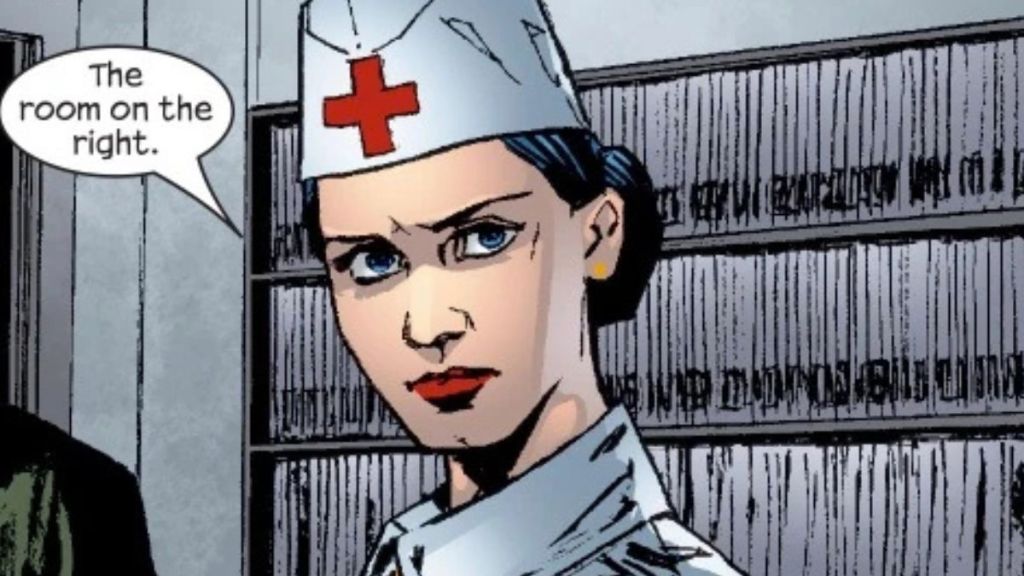
Marvel’s early idea of a “female hero” was… a nurse. Introduced in Night Nurse #1 (1972), Linda Carter (no relation to the future Wonder Woman actress) headlined what Marvel thought would be a groundbreaking series about women in medicine. Instead, it now plays like a time capsule of dated gender politics, wrapped in a clumsily “empowering” veneer. Marvel launched Night Nurse during a period when feminism was transforming pop culture. But rather than giving women the same kind of superpowered complexity as their male counterparts, Marvel hedged its bets. Linda Carter and her fellow nurses — Christine Palmer and Georgia Jenkins — were portrayed as brave, yet confined to the sidelines. Their heroism came through bandaging real heroes and faintly moralizing about their duty. It was well-meaning, but it carried an unintentional whiff of “ladies, this is as heroic as you get.”
4. Hypno-Hustler
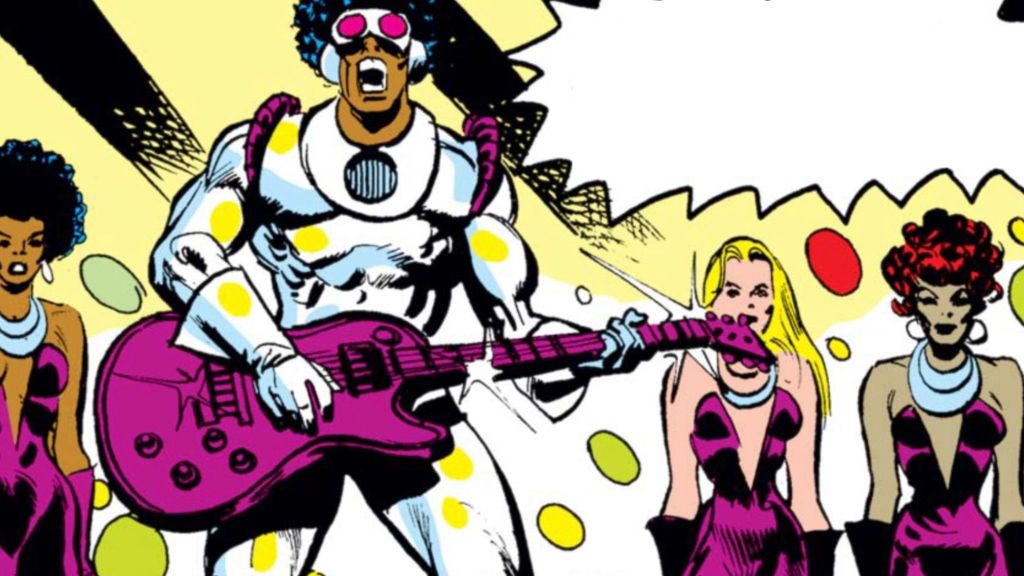
Hypno-Hustler fought Spider-Man with the power of funk. That’s literally the premise of the Hypno-Hustler, one of Marvel’s most shameless panders to 1970s pop culture gone wrong. Debuting in The Spectacular Spider-Man #24 (1978), the villain tried to capitalize on the disco craze by weaponizing music. His guitar emitted hypnotic sounds that controlled audiences while his band robbed them blind. At the time, it might’ve seemed groovy. Today, it’s an unintentional parody of an era trying way too hard to be “hip.” To Marvel’s credit, the writers seemed to recognize how ridiculous Hypno-Hustler was, which is probably why he’s rarely used in modern stories. When he does appear, it’s usually in a tongue-in-cheek capacity, poking fun at his own absurdity. But even as a joke, Hypno-Hustler struggles to find a place in today’s Marvel Universe. He’s too silly to take seriously and not self-aware enough to be endearing, making him feel like a relic of a time when comic book villains could be nothing more than walking punchlines.
3. Shang-Chi (Original Version)
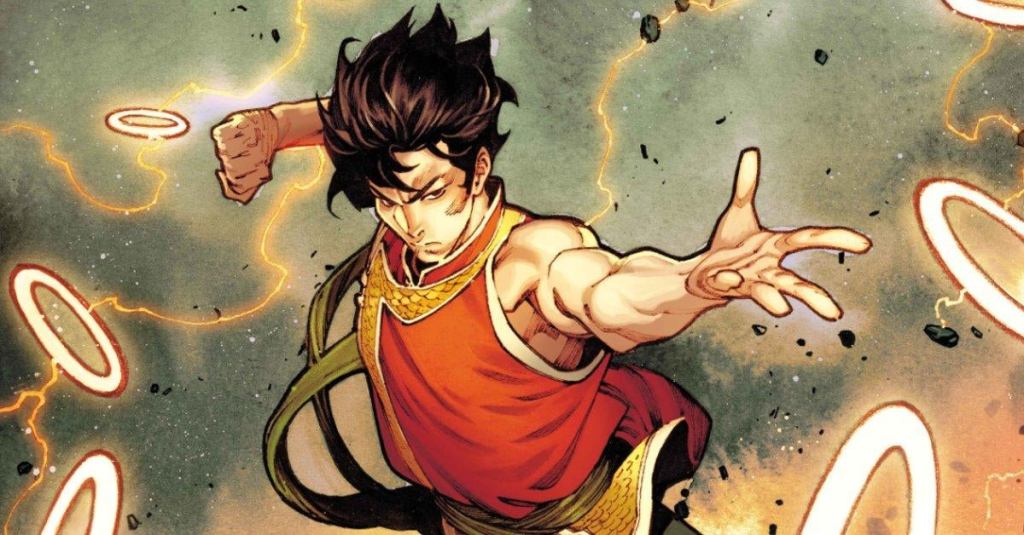
Shang-Chi, Marvel’s “Master of Kung Fu,” might have been groundbreaking when he debuted in Special Marvel Edition #15 (1973), but his original incarnation is a prime example of how even well-meaning attempts at representation can age poorly. While he was created to capitalize on the martial arts craze of the ’70s, his character was so steeped in stereotypes and cultural clichés that it’s hard not to cringe when looking back at his early stories. Shang-Chi’s father was none other than Fu Manchu, a racist caricature from early 20th-century pulp fiction. Fu Manchu embodied the “Yellow Peril” stereotype, portraying Asians as sinister villains bent on world domination. Tying Shang-Chi’s origin to such a blatantly offensive character was a huge misstep, even in the context of the 1970s.
2. Dazzler
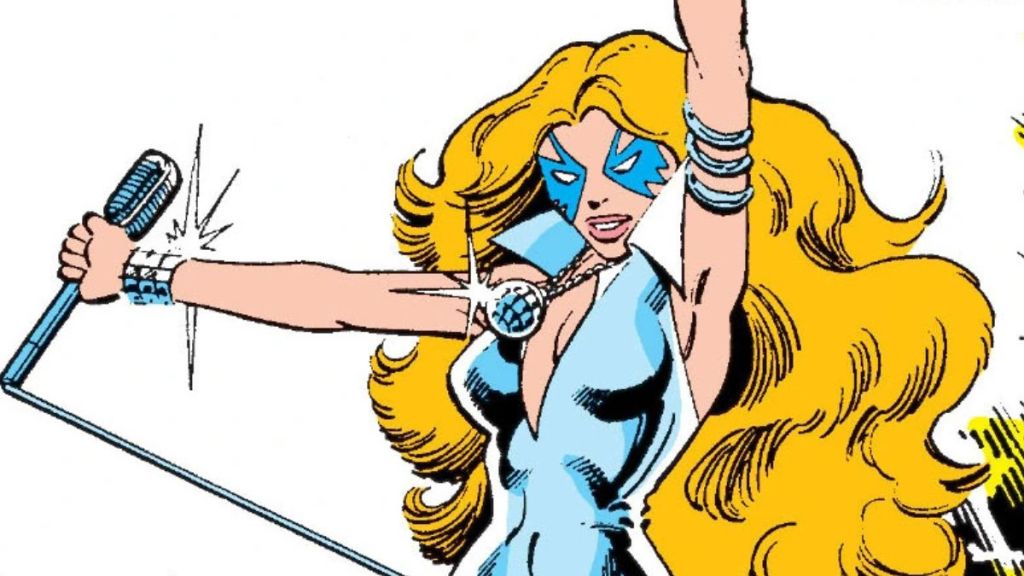
Dazzler was Marvel’s attempt to merge the world of superheroes with the cultural phenomenon of disco. While the idea of a mutant pop star who can convert sound into light beams might sound flashy and fun, her original incarnation feels painfully dated today. Dazzler, aka Alison Blaire, was born from a corporate marketing experiment. Marvel initially partnered with Casablanca Records to create a character who could exist as both a comic book star and a real-life music sensation. Dazzler would be a multimedia icon with her own albums and live performances. But by the time she debuted, disco was already on its way out, and the partnership fizzled, leaving Marvel with a character who was quickly out of sync with the cultural zeitgeist. Despite this rocky start, Marvel pushed forward, giving Dazzler her own solo series and doubling down on her disco diva identity. For many fans, the image of her roller-skating onto the battlefield in a sparkling jumpsuit is still hard to shake.
1. Howard the Duck
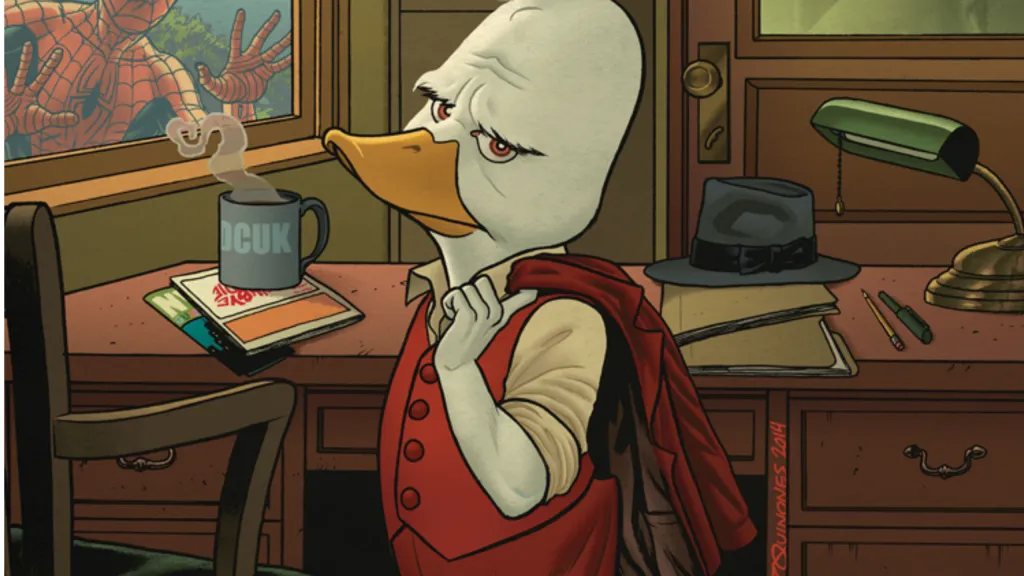
Introduced in Adventure into Fear #19 (1973) by Steve Gerber and Val Mayerik, Howard was meant to be a satirical, offbeat addition to Marvel’s lineup. A wisecracking, anthropomorphic duck thrown into absurd situations, Howard became a cult favorite for his irreverent humor and commentary on social issues. But while he may have been a product of the counterculture movement of the ’70s, his shtick hasn’t aged particularly well. He was a duck who smoked cigars, wore a suit, and frequently found himself battling bizarre enemies like Doctor Bong (yes, that’s a real villain).
Howard’s entire existence relied on being a “fish out of water” (or duck out of water) in a human world, but the joke wore thin as his stories struggled to evolve beyond the initial concept. What started as clever satire slowly devolved into nonsensical absurdity, leaving readers wondering what Marvel was trying to achieve. That’s not to say Howard is without merit. He occasionally pops up in the Marvel Universe (like his brief cameos in the Guardians of the Galaxy films) as a fun Easter egg for fans. And when handled by the right writer — like Chip Zdarsky in his 2015 Howard the Duck series — he can still deliver clever humor and intriguing stories. But for the most part, Howard remains a niche character whose original run is hard for newer readers to take seriously.
More Marvel
-
Image Courtesy of Sony Pictures Releasing -
Image Courtesy of Marvel Comics -
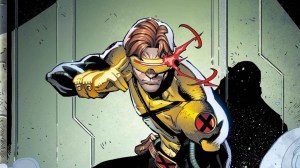
Image Courtesy of Marvel Comics -

image courtesy of marvel and sony -

Image Courtesy of DC Comics -
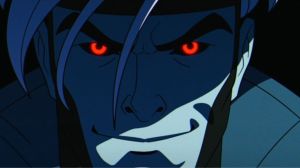
Gambit in X-Men '97 -
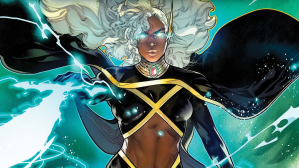
Image Courtesy of Marvel Comics

