Godzilla Minus Zero opens in Japan on November 3 and in North America on November 6, and the loudest thing in the trailer Toho released on September 8 is not a monster at all. It is gold lightning coming down out of the clouds, and a roar underneath it that Godzilla fans have been able to identify by ear since 1964. King Ghidorah, the three-headed golden dragon who has been Godzilla’s most durable opponent for sixty years, appears to be coming back. If he is, that sets up a rematch of a fight the movies have staged exactly once in a live-action feature this century, in 2019’s Godzilla: King of the Monsters, and it raises a question that has nothing at all to do with who wins. The 2019 version is the reason the question exists, because a lot of people who bought a ticket for that fight walked out genuinely unsure of what they had just watched.
Videos by ComicBook.com
The problem worth naming is not that the MonsterVerse cannot build a monster, because it obviously can. It is that one of its films staged the biggest matchup the franchise has and then shot it in conditions that made it genuinely hard to follow. Godzilla: King of the Monsters put Godzilla against King Ghidorah at night, in rain, inside a storm the characters spend the entire film describing, and the people who made it have said on the record that the murk was a deliberate choice rather than an accident of budget. The franchise itself appeared to reach the same conclusion two years later and reversed the approach completely. Godzilla Minus Zero is not being made by that team.
Its director has already demonstrated, on a film that won an Academy Award for its effects, that he shoots giant monsters in daylight and holds the frame long enough for an audience to read what is happening inside it. Here is why the ultimate MonsterVerse fight is likely to land this time.
The 2019 Godzilla And Ghidorah Fight Is Hard To Actually Watch
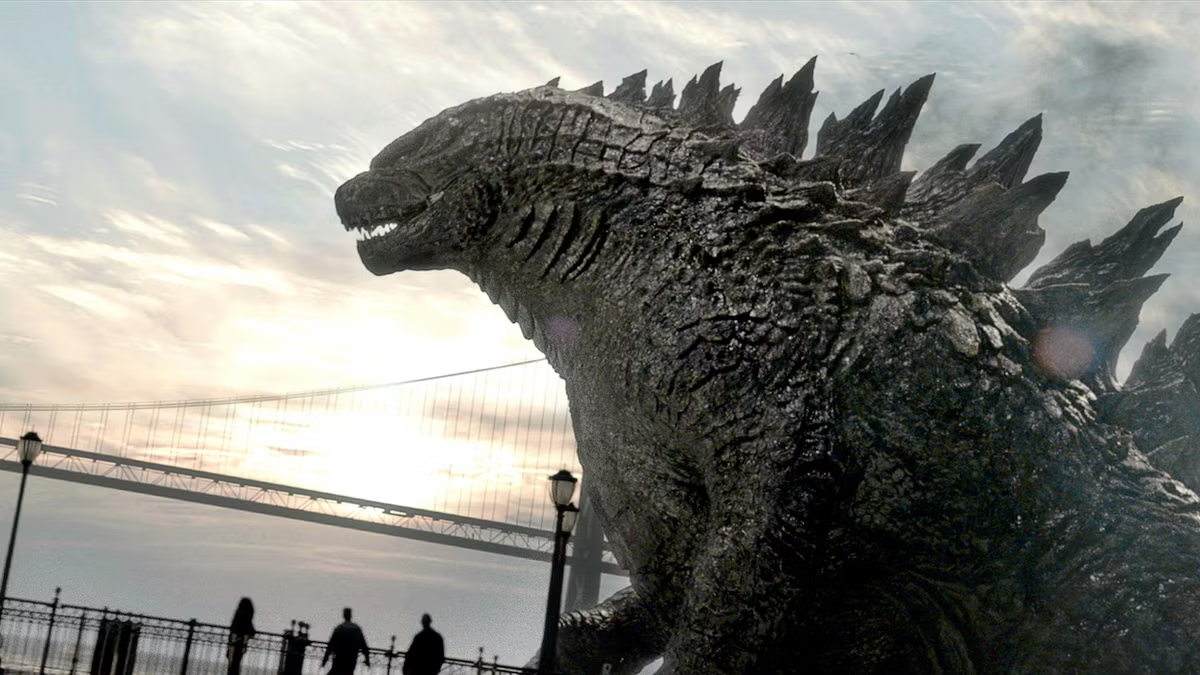
Godzilla: King of the Monsters, directed by Michael Dougherty, sits at 42% on Rotten Tomatoes from 350 critics, the lowest score any MonsterVerse film has recorded. Plenty of that is about the story. A meaningful share of it is about the fact that the movie is difficult to see. The climactic confrontation with Ghidorah happens at night, in Boston, in the middle of a storm the film itself has been building for two hours. The Rodan sequence plays through volcanic ash. The opening confrontation is a whiteout. The snowstorms and the buckets of rain and the busy framing are what keeps the monsters from reading as shapes on screen and it creates a serious problem. But while those issues have been addressed before, the fact that these were deliberate choices rarely get the same attention What is worth adding is where that murk came from, because the answer is not carelessness, and it changes what Godzilla Minus Zero would actually have to do differently.
The People Who Shot It Say The Darkness Was The Point
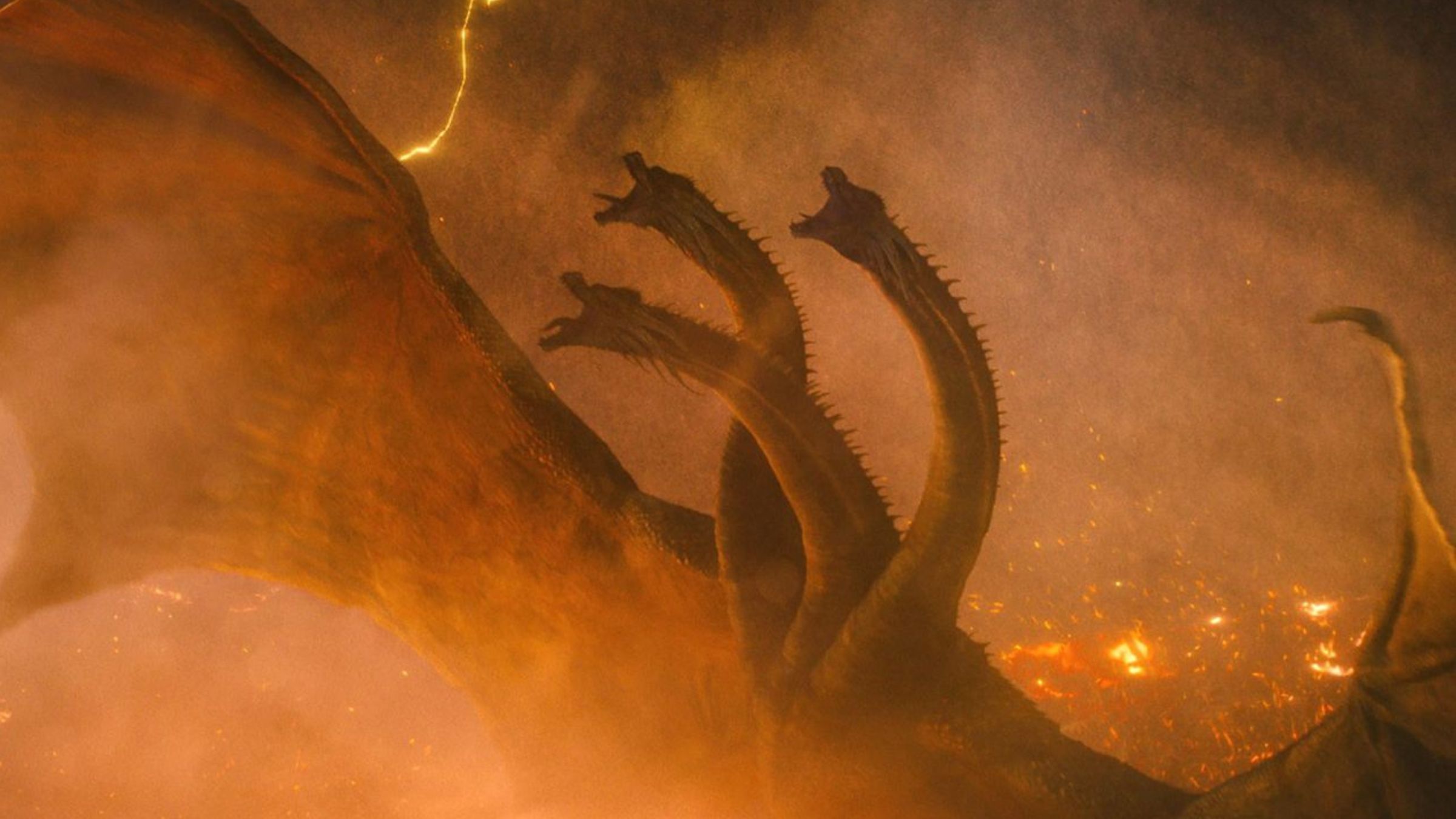
Lawrence Sher, the cinematographer on Godzilla: King of the Monsters, described the lighting problem in plain terms while the film was opening. Talking about building light sources into the effects work, he said the team needed “interactive lighting to represent storms, most of the movie takes place in storms, as well as the monsters fighting.” That is the man who lit the picture saying most of it happens inside weather. Dougherty was equally direct about wanting it that way, saying that as filmmaking went digital he worried “the image is getting too clean and perfect all the time, which takes away from the tension you can build with darkness and shadow and splashes of light,” and praising the older Godzilla films because “those filmmakers weren’t afraid of shadows and grain.”
When you look at the film from that perspective, what emerges is not a botched job. It is a deliberate aesthetic, inherited from Gareth Edwards’ 2014 film, where cinematographer Seamus McGarvey said the monsters would be “shown elliptically, immersed in atmosphere and glimpsed in flashes of lightning, rather than perfectly lit and presented.” Withholding was the house style. The 2019 film simply pushed it past the point where the audience could follow along.
The MonsterVerse Already Agreed And Fixed It In 2021
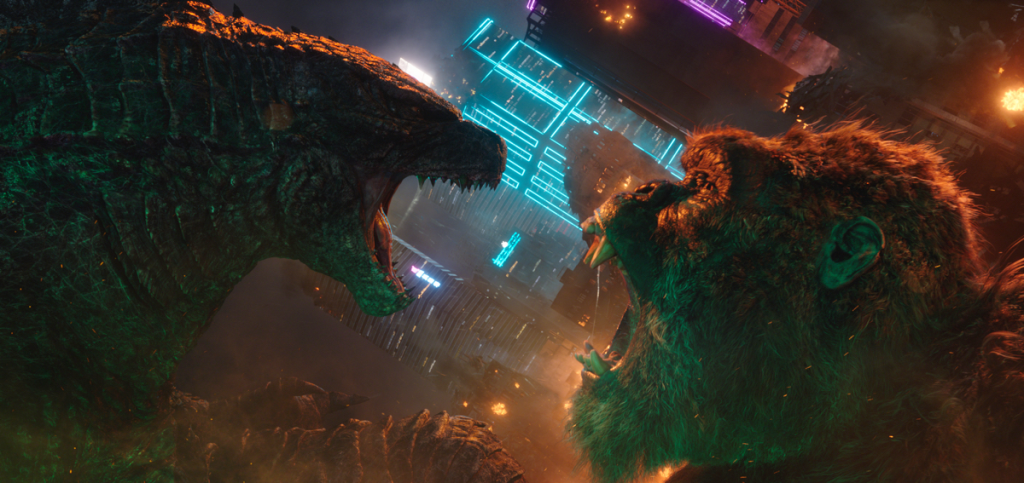
Here is the part that keeps this from being a lazy shot at the American films, and it is the reason I am not calling this a problem the whole franchise still has. Godzilla vs. Kong arrived two years later and turned the lights on. Its signature fight happens in a neon-drenched Hong Kong you can see every inch of, its opening bout is staged in daylight on the ocean, and reviewers noticed immediately, with several of them framing it directly as an answer to the complaints about the last film. It landed at 75% and drew an A from CinemaScore, the best exit grade of any film in the series. Godzilla x Kong followed it into the daylight of the Hollow Earth and got knocked for its story rather than its visibility, sitting at 54% on Rotten Tomatoes.
So the correction already happened, and it worked. The franchise looked at Godzilla: King of the Monsters, understood what had gone wrong, and stopped doing it. What it has not done since is put Godzilla and King Ghidorah in a room together again. That fight is still sitting back there in 2019, in the rain, at night, unfinished business at the exact moment the franchise had the least idea how to shoot one.
Yamazaki Has Already Proven He Shoots Things Differently
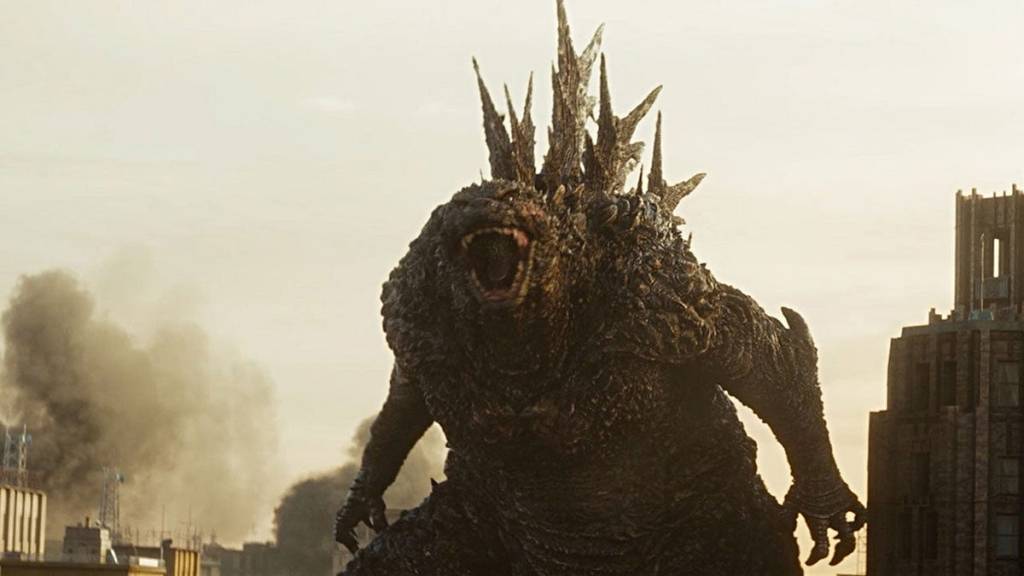
Godzilla Minus One is the counter-argument in finished form. It holds a 99% on Rotten Tomatoes from 213 critics and it won the Academy Award for Best Visual Effects in March 2024, the first Oscar in the character’s seventy-year history and the character’s first nomination in any category. Most of what people praise about it is the human story, and that is fair, but the thing it quietly does that the 2019 film does not is put its monster in the light.
There is a night sequence on Odo Island that opens the picture, and after that the film largely stops hiding. The Ginza attack happens in the middle of an ordinary afternoon, on a crowded street, with Godzilla fully lit and fully legible from tail to face, and the horror of it comes from clarity rather than from concealment. The final operation at sea plays out in daylight on open water. Takashi Yamazaki directed that film, wrote it, and supervised its visual effects himself, and he is doing all three jobs again on Godzilla Minus Zero.
Godzilla Minus Zero Is Being Built For A Screen You Cannot Hide On
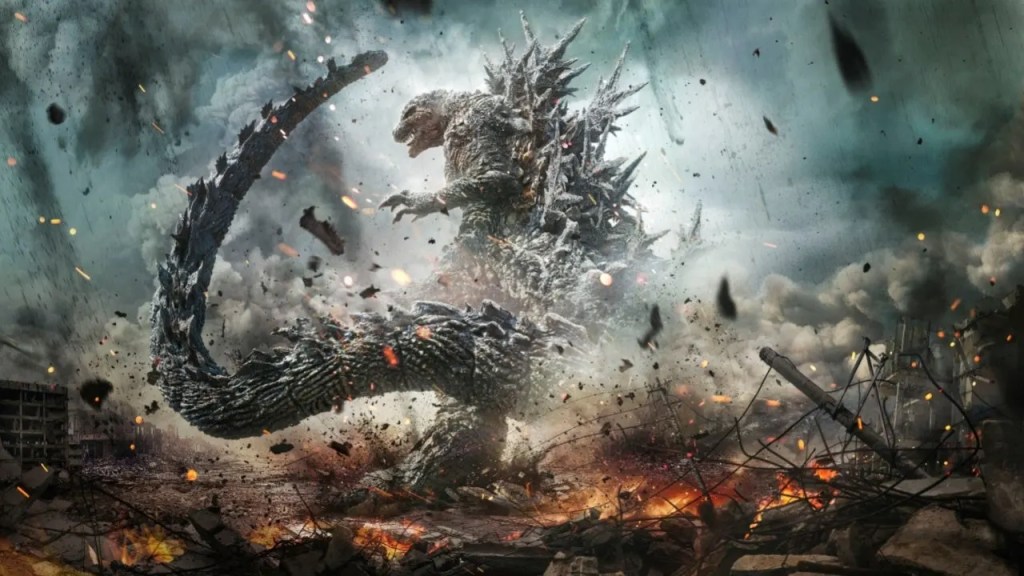
The technical decision here is what really matters. Godzilla Minus Zero is the first Japanese production ever shot Filmed For IMAX, with sequences presented in the full 1.43:1 frame, which is the tallest and most unforgiving format in commercial exhibition. It is a format that rewards holding a shot and letting an audience take in scale, and it punishes the opposite because cutting fast through murk on a screen that size is how you give people a headache rather than a spectacle.
Yamazaki’s own pitch for shooting it that way was that “Godzilla becomes Godzilla when experienced in a theater.” None of that guarantees a legible fight. A director can waste an IMAX frame as easily as any other. But it is a strange amount of trouble to go to for a monster you intend to keep in the dark, and it is being spent by the one filmmaker in this conversation whose last Godzilla movie was praised for showing you the thing. The full trailer is out, and the other kaiju appears to be accounted for.
Godzilla and King Ghidorah have fought before, several times, and the best of those fights were staged in daylight decades ago by people working with rubber and wire. Getting back to that is not a technical problem. It is a decision, and on November 6 we find out whether Yamazaki made it.
More Movies
-
IMAGE COURTESY OF WARNER BROS.