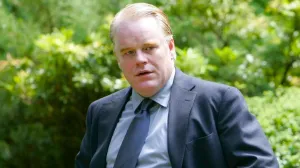
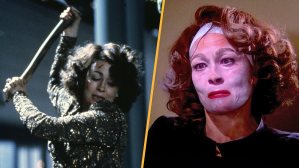
In 2013, a time-travel romance movie, written and directed by Richard Curtis released and over the last 13 years has only grown in popularity. It is worth pulling up for a reason that has nothing to do with the romance. The supporting cast is stacked with people who were nobody in particular when it was shot and who have since gone on to anchor two competing superhero universes. Harley Quinn is in this movie. So is Sue Storm. So is the doctor from Doctor Strange. A fourth Marvel performer turns up in one scene and is not even credited for it. None of them are the lead, most of them have a handful of lines, and at least one of them has gone completely unremarked on for thirteen years. The density of it only becomes visible in hindsight, which is the sort of thing that happens when a British filmmaker fills out a bench from London’s theater and television scene and then everybody waits a decade.
Videos by ComicBook.com
The reason this is worth a rewatch rather than a trivia post is that the overlap is not a coincidence of casting luck. It is what a specific kind of British production looks like from the other end of a decade. Richard Curtis filled the supporting roles out of London theater and British television, which in 2013 was an unglamorous bench and is now the single most heavily mined talent pool in blockbuster filmmaking. Marvel and DC have both been drawing from it for years. Put four of those hires in the same film before anybody had cast them in anything enormous and you get a movie that plays completely differently on a second viewing, where half the faces in the background carry associations the film itself never intended. Three of the four are easy to spot once you know. The fourth is uncredited, appears for a matter of seconds, and has gone almost entirely unmentioned for thirteen years.
Harley Quinn And Christine Palmer Are Both In This 2013 Rom-Com

About Time arrived on Netflix in the United States on September 1, so if you haven’t seen it, do that before continuing on here – as there will be spoilers. Still here? We’ll start with the two you might already know about: Margot Robbie, who would play Harley Quinn in Suicide Squad in 2016, Birds of Prey in 2020 and The Suicide Squad in 2021, appears here as Charlotte, a friend of the family who the lead spends the first act pining after. It is a small part and she is billed well down the cast list, because at the time she was an Australian actor with a cancelled soap and a few television credits, still months away from the film that broke her.
Second, the romantic lead opposite Domhnall Gleeson is Rachel McAdams, playing Mary, and three years later McAdams would play Christine Palmer in Doctor Strange, returning to the role in Doctor Strange in the Multiverse of Madness in 2022. So a future DC headliner and a future Marvel co-lead are in the same small British film, in scenes together, four years before either franchise called. That alone is a decent piece of trivia. It is also the part that is easiest to find.
The One Nobody Has Caught Is Sue Storm

Here is the bit I have not seen anyone point at. Vanessa Kirby is in About Time. She plays Joanna, one of the friends orbiting the London social circle, and it is a genuinely minor role, the kind that does not make it into a cast summary. Kirby went on to play Sue Storm in The Fantastic Four: First Steps, which makes her one of the most prominent figures in Marvel’s current slate heading into Avengers: Doomsday.
This has gone unnoticed to the point that our own list of five Vanessa Kirby titles to watch before The Fantastic Four does not include it, and neither does anybody else’s. I only found it going through the full credits rather than the top-billed cast. Add her in and the film is no longer a two-name curiosity. It contains Harley Quinn, Sue Storm and Christine Palmer, three separate franchise leads across both major comic book universes, in one modestly budgeted romance about a man who hides in cupboards.
There Is A Fourth, And He Is Not Even Credited
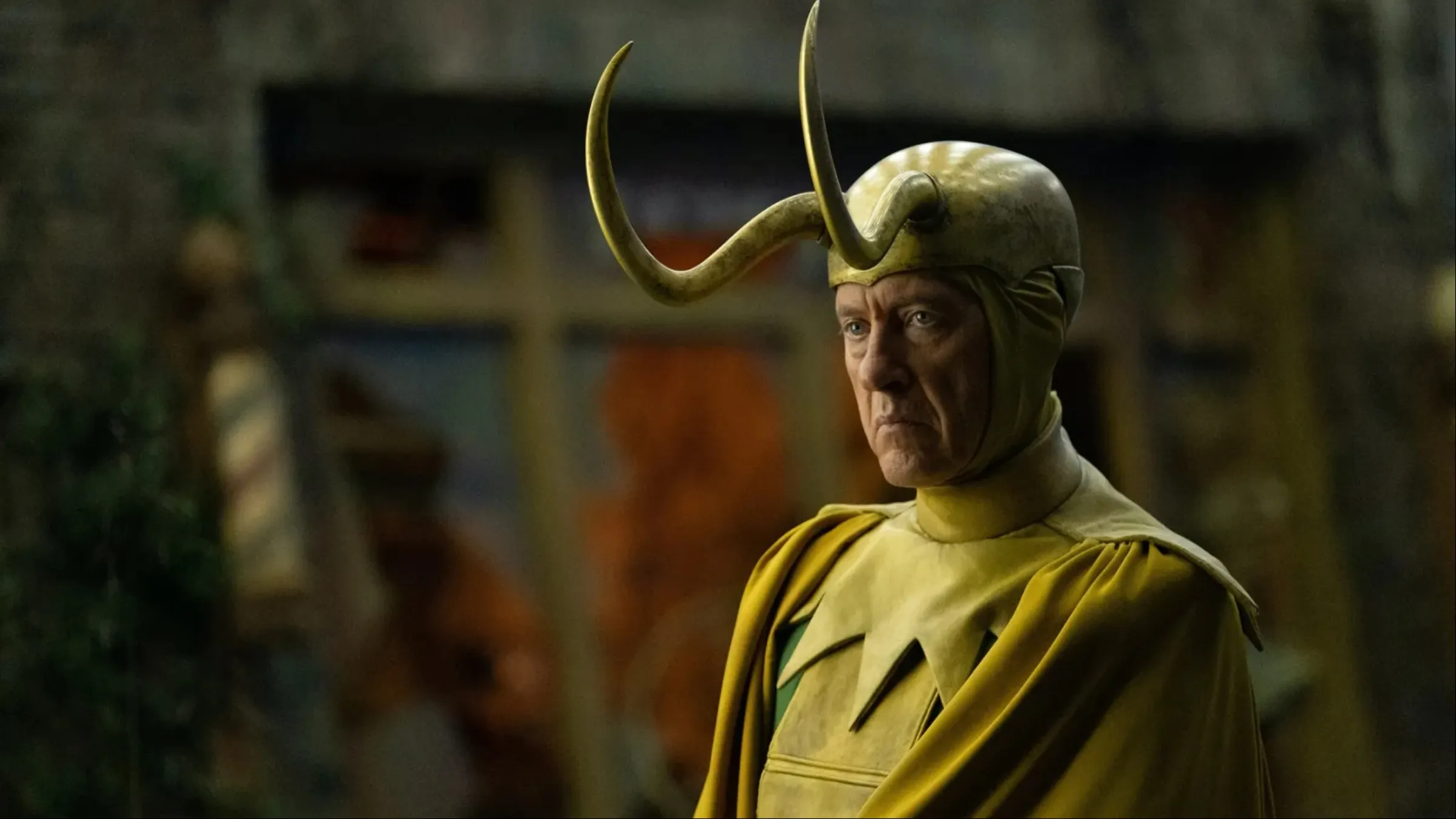
The film has a running subplot about a playwright whose opening night collapses when an actor forgets his lines, and the actors we see on that stage are playing lawyers. One of them is Richard E. Grant, uncredited. Grant went on to play Classic Loki in the fifth episode of Loki’s first season, a performance that landed hard enough with viewers that it is still the thing people bring up about that season. So the count is four Marvel and DC performers in a single Richard Curtis picture, three of them in parts small enough to miss and one of them not listed at all.
For completeness, there is a Star Wars cluster in here too. Gleeson would become General Hux across the sequel trilogy, and Lindsay Duncan, who plays his mother, voiced the protocol droid TC-14 in The Phantom Menace. Gleeson, for the record, has never appeared in a Marvel or DC film, so he is the one leading man in this cast who never got the call.
What The Numbers Actually Say About It

Calling this film underrated is not quite right, and it is worth being precise about why, because the real shape is more interesting. About Time cost about $12 million and made roughly $97.6 million worldwide, which is a commercial success by any measure. It holds 70% on Rotten Tomatoes from 169 critics, which is a positive score.
What it does have is a gap. Critics landed at 55 on Metacritic, a number the site itself files under mixed or average, while the audience score sits at 82% from more than fifty thousand verified ratings. That is a twenty-seven point spread between the people whose job it was to assess it and the people who chose to watch it. And in America specifically it barely registered, taking $15.3 million domestically against more than eighty million everywhere else. So it is not underrated so much as underseen here, by people who were never really sold it in the first place, which is exactly the gap a Netflix release closes.
Whether The Time Travel Holds Up Is A Separate Argument
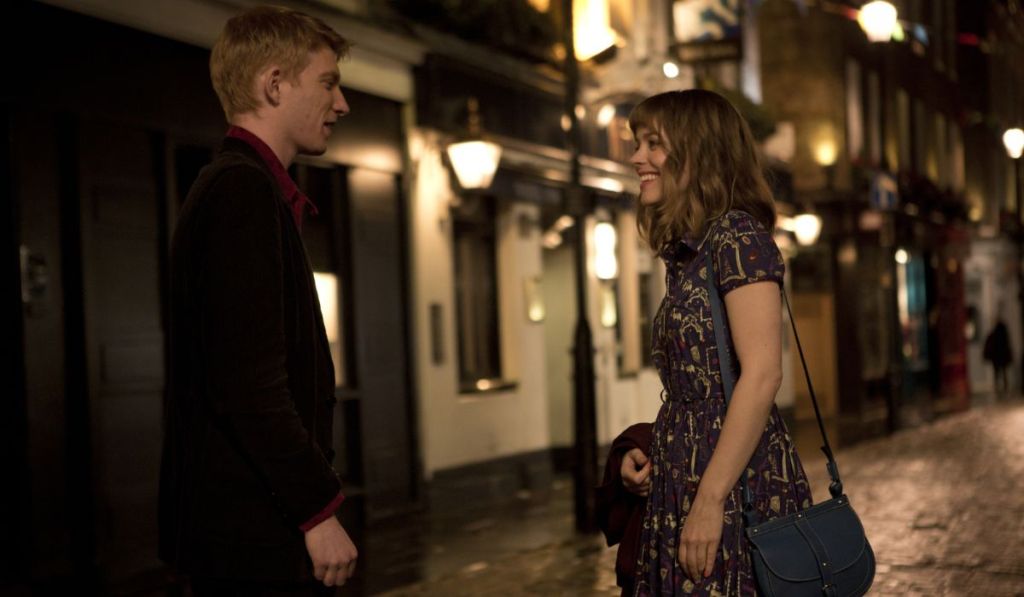
Since you will be watching it for the cast, a warning about the plot. The rules are laid out early and they are simple: the men in this family can travel backwards, only within their own lifetimes, by standing in a dark enclosed space and concentrating. The film then adds a complication that is genuinely affecting, which is that going back past the moment a child was conceived gives you a different child, and it proves this by having Tim lose his daughter Posy and get a son instead.
It is the best scene in the picture. It is also a rule the film abandons roughly twenty minutes later, when father and son travel back decades to Tim’s own childhood and return to a present that is entirely unchanged. I do not think this ruins anything, because the movie was never really running on its mechanics. But if you are the kind of viewer who cannot let that go, you are going to notice, and consider yourself warned.
About Time has sat on ComicBook’s overlooked-time-travel list since 2025, and it turns out the most overlooked thing about it was never the time travel. It was the call sheet.
More Movies
-

Image Courtesy of Marvel Comics -

Image Courtesy of Entertainment Film Distributors