When 28 Years Later was released last summer, it may have reunited director Danny Boyle and screenwriter Alex Garland from the 2003 film 28 Days Later, but it largely ignored the events of that film. Though still set against the landscape of the UK, where Rage-infected humans roam the countryside, no characters or plotlines from that film showed up. Fans knew not to give up, though, as Cillian Murphy was attached as a producer on the new films with reports circulating that his character Jim was slated to appear…eventually. Which is what leads us to this week’s new release, 28 Years Later: The Bone Temple. Naturally, spoilers follow.
Videos by ComicBook.com
The new film in the series finally delivers on the promise that fans have been waiting for, bringing back Cillian Murphy’s Jim and with it the surprise reveal that his character has a daughter, Sam, presumably with Selena (Naomi Harris). That said, the arrival of Jim at the conclusion of 28 Years Later: The Bone Temple, while a welcome sequence, does completely alter how we think about the ending to the original film within the context of these new movies. It has us wondering what really happened at the end of the original movie.

28 Years Later: The Bone Temple Makes You Rethink the Original Movie’s Ending
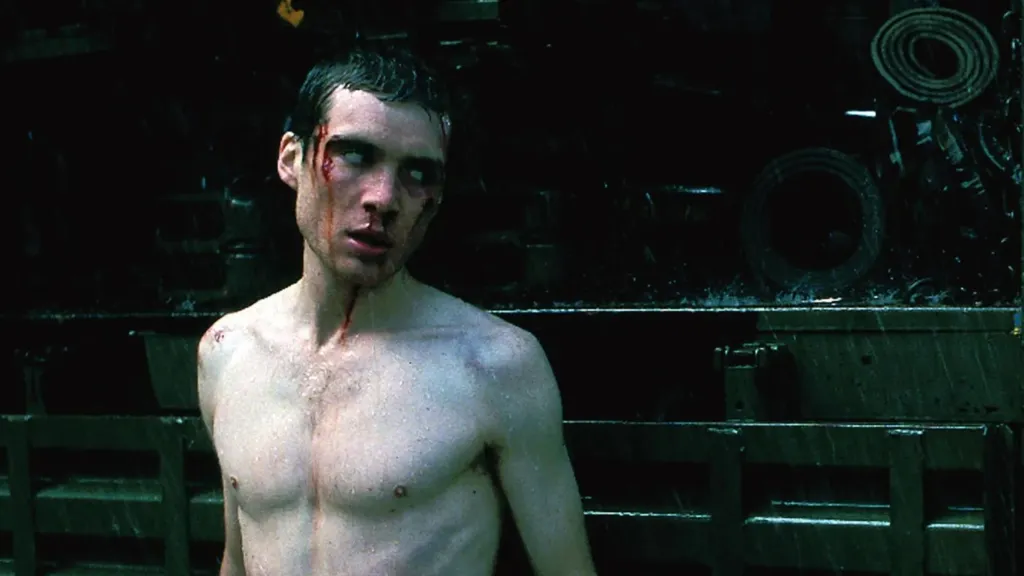
First, we must rewind to how 28 Days Later ends. In that film, after their harrowing experience at the country house occupied by Major Henry West and twisted members of the military, another 28 days have passed. In that time, the infected are weakening, beginning to starve out. Jim, Selena, and Hannah (another character who remains unseen in The Bone Temple‘s final sequence) have found sanctuary in a small house. When they hear what sounds like a jet appraoching they run outside, having sewn together the letters that spell out “Hello” with bedsheets and cloth. They roll out the message and wave about, with Selena asking, hopefully, “Do you think he saw us this time?”
The ending of 28 Days Later is a hopeful one, which at least implies not only that the lead characters all survive, but that they’re just an inch away from being rescued. With the infected also dying out, it gives us the idea that our heroes may be able to move past what they’ve experienced and achieve some sense of normalcy again. But with the ending of 28 Years Later: The Bone Temple, it seems that salvation never came. Based on how the new movie ends, it would seem like these pleas for help were ignored, and the way we can really tell that isn’t in the fact that Jim is still living in the countryside, but in how he reacts to seeing other humans fighting for survival.
After his daughter, Sam, asks if they should help (having seen Spike and Kelly running for their lives in the distance), Jim replies, “Of course.” This paints a picture of Jim in a way that might answer the ending of the original film. Now that he’s eager to help out other people, it could very well imply that he and the other survivors were left stranded, and that they’ve had to simply make do with being abandoned. Having faced this themselves, naturally, they feel inclined to help others when needed. It reworks how you think of the ending to 28 Days Later in the context of the franchise, something that wasn’t on the filmmakers’ minds at all when they made the movie.
Ironically, 28 Years Later: The Bone Temple also has an optimistic and hopeful ending, one that is in keeping with the larger themes of the film. As a result, though, its story implications may very well have robbed the original movie of its emotional conclusion. Given how stark and intense much of 28 Days Later is, that final moment leaves the audience with a trust that things will work out. Now? Not so much. Time will tell when the third film in the 28 Years Later trilogy is released and questions about Jim’s time since the first film are fully answered, but for now, The Bone Temple‘s ending paints the original film in a totally new light.
Most Viewed
-

Image courtesy of Sony -

Image Courtesy of Netflix