28 Years Later: The Bone Temple continues the story that began last year in Danny Boyle’s 28 Years Later. The first film saw a teenage boy named Spike (Alfie Williams) leave the safe confines of his quarantined village to explore the ravaged lands of the UK mainland, after nearly three decades of the Rage Virus running rampant. Spike quickly became disillusioned with his own sheltered life and broken family, instead choosing to stay in the wastelands and fend for himself. In 28 Year Later: The Bone Temple, Spike quickly regrets his decision, as he finds that the infected are not in fact the biggest monsters roaming in the dystopian hell.
Videos by ComicBook.com
The Bone Temple finally makes good on the prologue of 28 Years Later, by fully introducing us to “Sir Lord Jimmy Crystal” (Jack O’Connell), the deranged leader of his own gang/cult known as “The Jimmys.” After getting a violent initiation into the gang, Spike is forced to learn, to his horror, just how far Jimmy is willing to go to prove that he, and no other, is the son of the devil.
The Bone Temple‘s “Cult of Jimmy” Is Based on a Very Real Monster

UK viewers will fully appreciate the satirical takedown that Danny Boyle, Jack O’Connell, and co. are delivering with the first two 28 Years Later films. Americans? Not so much. So allow us to explain.
Ever heard of Jimmy Savile? Born James Wilson Vicent Savile, he was a man who rose to the heights of UK media in the 20th century. Savile started as a DJ in the late 1950s, which grew into an entire weekly schedule of shows, including a mega-popular Saturday show. Through the 1970s he expanded into a series of high-concept shows across radio and TV, including Savile’s Travels, which saw him traveling the UK interviewing citizens, various televised shows (Top of the Pops) that analyzed and promoted the pop music charts, and Jim’ll Fix It, which which showcased Savile helping “make a wish” requests from viewers come true.
Jimmy Savile’s entire brand was built on a combination of his eccentric appearance and personality, and the “wholesome” family entertainment he provided for the masses. And yet, throughout his nearly half-century run as a public-facing celebrity, Savile was repeatedly hit with accusations of inappropriate behavior, if not abuse or assault. However, he was a famous and powerful figure as the “face of British television, as well as a major entrepreneur and philanthropist with powerful friends; none of the accusations ever derailed his career or impacted his public persona and business ventures.
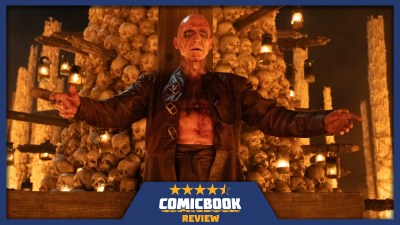
However, when Savile died in October 2011, the floodgates opened wide. By a year later, in October 2012, a TV documentary was airing, exposing an entire web of sexual abuse by Savile, carried out over decades, against upwards of 300 – 400 potential victims, ranging from underage victims to the very elderly – even corpses (allegedly). When all the investigations, interviews, and coordination between law enforcement agencies were done, it became clear that Jimmy Savile had been one of (if not the) worst serial sex offenders ever operating in the UK.
More to the point, it also became clear that powerful figures at every level of British society (politics, entertainment, healthcare, business, and more) were complicit in years of covering up for Savile, or turning a blind eye to his actions. There has since been a major movement to strip Savile’s name from many of the monuments or organizations it has been attached to over the years. It’s also been a psychological blow to a populace who largerly regarded him as the MC of the nation.
28 Years Later Addresses Jimmy Savile’s Infamy (In A Brilliant Way)
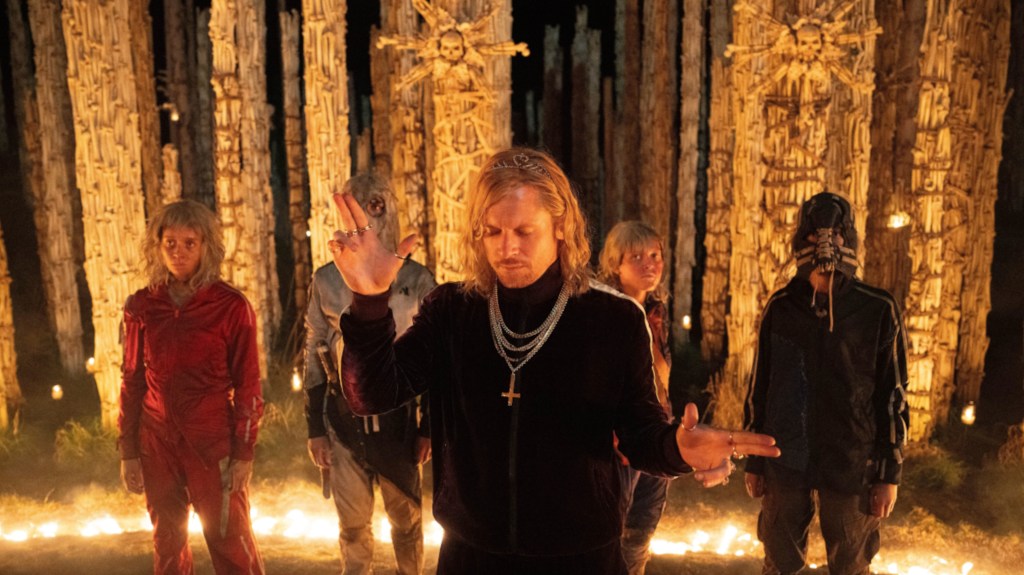
“Sir Lord Jimmy Crystal” is a clear ode to Jimmy Savile – most notably by way of the track suits and blonde wigs that all of the Jimmys are forced to wear (Savile’s signature look for years), and O’Connell’s performance with the eccentric voice and mannerisms. There’s also the fact that Jimmy and his “Fingers” (his gang) are a direct reflection of Savile being one of seven children in his family.
However, in The Bone Temple, director Nia DaCosta and Jack O’Connell turn the national trauma of Savile into a powerful commentary: Jimmy seems eccentric and harmless at first, but quickly reveals himself to be a sociopathic monster who delights in human suffering, as well as corrupting the young ones in his gang. Obviously, the “abuses” he commits are different in the context of a horror film, but the thematic point remains: Jimmy is a wolf in a charismatic clown’s clothing.
By the end of the film, DaCosta even works in the real-world parallels with the mass disillusionment about Jimmy Savile (SPOILERS!) By getting exposed as a fraud, and given the just due of his own crucifixion. In his final moments, Lord Jimmy Crystal even drops his faux voice and the entire Savile persona he copied, forced to die as his true self.
28 Years Later: The Bone. Temple is now playing in theaters. Discuss the film with us on the ComicBook Forum!
More Movies
-
Image Courtesy of Sony Pictures Releasing -

Courtesy of 20th Century Studios