Although one iconic sci-fi sequel from James Cameron did nothing but add a letter to the title of its predecessor, this ingenious move was still enough to revolutionise the entire horror franchise for the decades that followed. The cult sci-fi flops that litter film history prove it can be hard to sell viewers on a new franchise in the genre. For every success like the Star Wars series, there are plenty of expensive follies like Battlefield Earth or Jupiter Ascending.
Videos by ComicBook.com
However, it can sometimes be even harder to expand an existing franchise, especially without a fresh new take on the source material. After the sci-fi genre legend Ridley Scott started the Alien series in 1979, it took a whopping seven years for the studio to produce a sequel. Even though the original movie’s success spawned a string of shameless knock-offs, from Xtro and Inseminoid to Galaxy of Terror, the Alien franchise still spent the best part of a decade awaiting its sequel before director James Cameron came up with the simple, incredible idea of adding an s and making the movie Aliens.
Aliens Revolutionised The Entire Sci-fi Horror Franchise
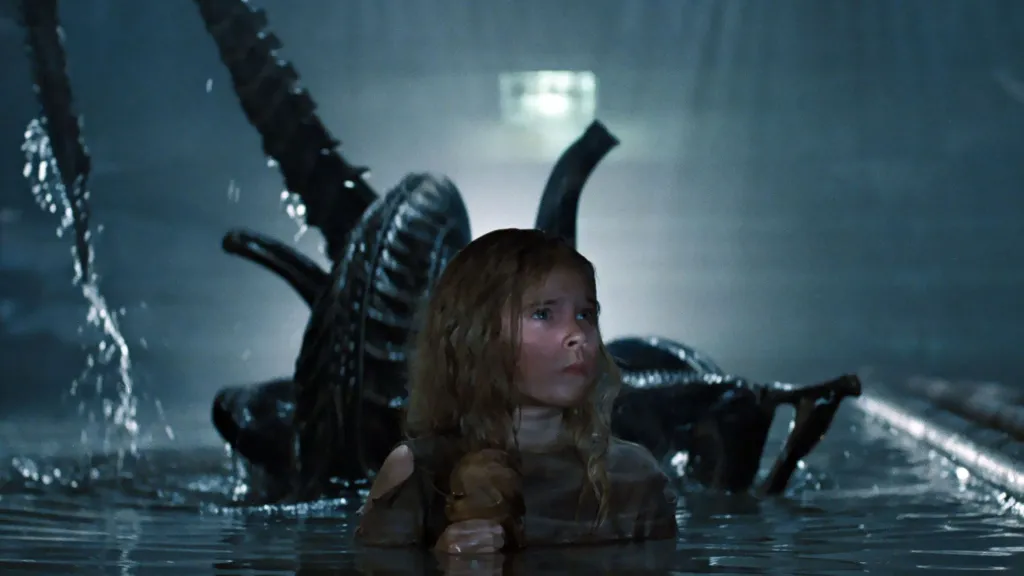
While The Terminator producer Gale Anne Hurd noted in an interview with Rolling Stone that the story might be apocryphal, the legend is that Cameron told the producers of the Alien franchise that he had no interest in making another Gothic horror movie, and instead wanted to do a war movie set in space. To convey the potential of this genre shift, he wrote the title Alien on a blank whiteboard in the room, then added a dollar sign to the end to make “Alien$.”
Whether the story is true or not, there is no denying the fact that Cameron’s wholesale reinvention of the franchise sent shockwaves through the series that are still being felt to this day, for better or worse. Although Ridley Scott’s subsequent sci-fi projects like Raised By Wolves and Blade Runner prove that he is fascinated with the genre’s potential, Alien is much more of a claustrophobic horror movie that happens to be set in space than a futuristic war movie.
The Alien Franchise Still Struggles To Top James Cameron’s Aliens
In stark contrast, Cameron’s ambitious, expansive Aliens owes as much inspiration to the war movie genre as it does to traditional horror movie aesthetics. There might be some terrifying scenes in Aliens, but on the whole, the sequel’s ambitious scope means it has more in common with the Avatar movies than Halloween. This has posed a problem for subsequent sequels, which struggle to pick a lane after Cameron’s masterpiece.
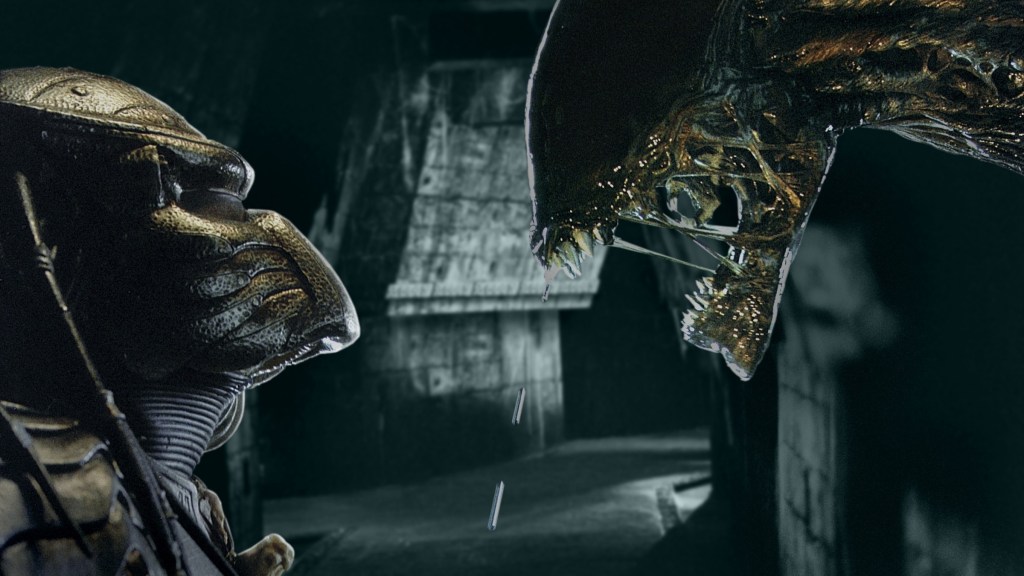
David Fincher’s Alien 3 was the victim of an infamously troubled production, but its decision to revert to straightforward siege horror made for a follow-up that was too bleak, too glum, and too light on action to compete with Aliens. Similarly, the bizarre Alien: Resurrection couldn’t recapture the ambition and excitement of Cameron’s sequel, while both Alien Vs Predator movies leaned too far into slick action set pieces and forgot to include anything resembling tension or suspense.
Although Scott’s belated prequels Prometheus and Alien: Covenant put things back on track somewhat, it was 2024’s Alien: Romulus that finally managed to mix the lone-location horror of Alien with the more explosive, gun-toting action of Aliens. Fittingly set between the events of Alien and Aliens, this reboot finally proved the franchise could live up to its most ambitious and ingenious sequel.