The Unforgivable Curses are among the most powerful spells in Harry Potter, but they’re not the only uses of dark magic that should be banned. Love may be the most powerful magic of all in the Wizarding World, but the dark arts have proved themselves to be rather (often horrifyingly) strong on several occasions. Avada Kedavra, aka the Killing Curse, is the most terrible and unstoppable of them all, of course, with Harry himself the only person to have ever survived it, but the Cruciatus and Imperius Curses aren’t exactly walks in the park either (unless that’s what the person casting imperio wants you to do, anyway).
Videos by ComicBook.com
Beyond those, then there are elements of dark magic that require going beyond a single spell. We still don’t even know the exact process for creating Horcruxes, except that it includes murdering someone, with theories ranging from cannibalism to self-mutilation. But if we are looking at powerful, dark curses, there are three that jump out as deserving of being talked about like the unforgivable ones.
3) The Curse On Gaunt’s Ring

The name and incantation for this particular spell isn’t known, with Lord Voldemort being the only known practitioner of it, meaning it was almost certainly of his own creation. What we do know, though, is that it’s extremely dangerous. It was placed upon Marvolo Gaunt’s ring, after it had been turned into a Horcrux, in order to protect it, meaning that anyone who touched the ring would be quickly killed. Or at least, almost anyone, has Voldemort hadn’t quite accounted for the prodigious skill of Albus Dumbledore.
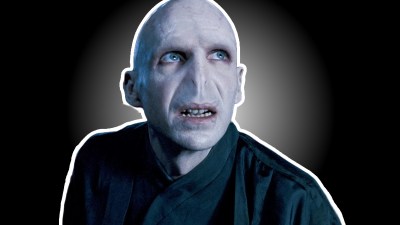
Even then, though, that only highlights just how powerful this curse is. It took the combined efforts of Dumbledore, the most powerful wizard alive, and Severus Snape, highly skilled in both potions and the dark arts and incredibly powerful in his own right, to contain it. They could not stop it entirely: the curse was contained to the Hogwarts Headmaster’s hand, but would eventually spread and kill him, that’s how strong it was.
2) Sectumsempra

Also known as the Laceration Curse, Sectumsempra was a spell created by Snape, aka the Half-Blood Prince, and explicitly designed for use on his enemies. Exactly why that was became apparent when Harry used the curse on Draco Malfoy, without knowing what it would do. The effect was as if slashing at the victim with an invisible sword or dagger, resulting in extremely deep cuts that led to heavy bleeding, and required immediate magical attention to heal.

Sectumsempra is among the darkest spells used by Harry himself, and later Snape himself uses it on George Weasley (though he was actually aiming for a Death Eater). Such is the nature and power of the curse that it not only cut George’s ear off, but meant that it could not be magically healed or reattached. Technically speaking, though, I guess this one was forgivable, since Draco eventually seems to move past it.
1) Fiendfyre

The curse on Gaunt’s ring and Sectumsempra are little-known curses that were solely used by their creator (until Harry found the Half-Blood Prince’s book), so it makes sense they’re not formally regarded as Unforgivable. The same cannot be said for Fiendfyre, which does seem a little more widely known and well established, and should not be used under any circumstances unless you’re wanting to unleash hell on those around you.
The advanced dark magic produces flames of such extreme heat that they will destroy almost everything in their path, with creatures emerging from them to seek out targets. The fire it creates is also one of the things that can destroy a Horcrux, which is a testament to how powerful the spell is. It’s also highly volatile, as we see when Crabbe (or Goyle in the movie) uses it in The Deathly Hallows without being able to control it, and can’t be extinguished by normal water charms. The Ministry of Magic should probably get this one on the Unforgivable list, really.
The Harry Potter movies are available to stream on HBO Max.
What do you think? Leave a comment below and join the conversation now in the ComicBook Forum!
More Movies
-

Image courtesy of Sony Pictures -

Title Card & Release Date For The Legend Of Zelda Movie -

Image Courtesy of Artisan Entertainment