The original Greenland arrived in 2020 and immediately stood out in the crowded disaster genre by focusing on human desperation rather than just crumbling monuments. The film follows the Garrity family as they navigate a world collapsing under the threat of a comet strike. This approach resonated with audiences and turned Greenland into a significant success on streaming and PVOD platforms during the pandemic, a time when traditional theaters were struggling. Now, fans are finally heading to the cinema to see the next chapter of this survival story with the release of Greenland 2: Migration. Set several years after the initial impact, the narrative follows the family as they leave the safety of their bunker in Greenland to embark on a perilous journey across the desolate remains of Europe.
Videos by ComicBook.com
While Greenland 2: Migration provides a satisfying continuation of the Garrity family struggle, it also leaves audiences craving more disaster stories about resilience and the human spirit. Fortunately, there are many incredible movies about characters facing down everything from environmental catastrophes to global pandemics. If you are looking to keep the adrenaline pumping after the credits roll on the latest Gerard Butler action epic, the following movies capture that same sense of urgency and dread found in the Greenland series.
5) The Day After Tomorrow
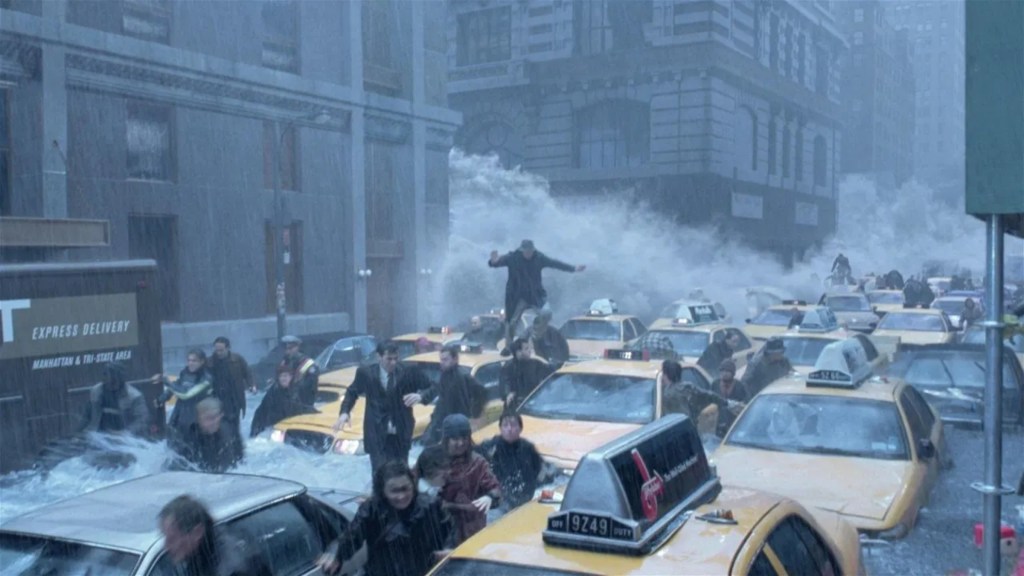
Roland Emmerich is an expert in the modern disaster epic, having perfected the visual language of global destruction in blockbuster hits like Independence Day and 2012. In The Day After Tomorrow, he applies his talent to a story about a paleoclimatologist named Jack Hall (Dennis Quaid) who warns the world about a sudden and catastrophic shift in global climate patterns. When his predictions come true with terrifying speed, a series of massive storms plunges the northern hemisphere into a new ice age.

The Day After Tomorrow captures the scale of the destruction with iconic sequences of New York City being flooded and subsequently frozen solid. While the science is fast and loose, the movie succeeds by focusing on the desperate mission of a father trying to reach his son, Sam Hall (Jake Gyllenhaal), who is trapped in a frozen library. The survival elements in this movie echo the cold and desolate atmosphere found in Greenland: Migration, making it a perfect companion piece for those who enjoy watching characters navigate a world that has become hostile to human life.
4) Twister

Long before modern visual effects could render entire cities collapsing with ease, Twister used a blend of practical effects and digital wizardry to make the power of nature feel truly frightening. The film stars Jo Harding (Helen Hunt) and Bill Harding (Bill Paxton), a pair of storm chasers who are attempting to deploy a revolutionary weather-tracking device inside the heart of a tornado. The narrative is a relentless ride through the Oklahoma countryside, featuring some of the most memorable set pieces in the history of the genre.
Director Jan de Bont treats the tornadoes as sentient monsters in Twister, giving them a physical presence that demands respect and fear from the audience. In addition, the movie works because it balances the technical aspects of meteorology with the personal history and obsession of its lead characters. As such, the appeal of Twister lies in its portrayal of ordinary people who are forced to pit their intelligence and courage against a natural force that they cannot possibly control.
3) Deep Impact

Released in the same summer as the more bombastic Armageddon, Deep Impact took a much more somber and realistic approach to the threat of a comet hitting Earth. The film features an ensemble cast including Tea Leoni and Morgan Freeman, focusing on the social and political fallout of a looming extinction event.
While there are certainly scenes of mass destruction, Deep Impact spends a significant amount of time exploring how different people choose to spend their final days. We see a young astronomer named Leo Biederman (Elijah Wood) attempting to save his family, while astronauts led by Spurgeon Tanner (Robert Duvall) embark on a suicide mission to divert the comet. This focus on the human element and the emotional weight of a global catastrophe is exactly why fans of the Greenland movies will find Deep Impact so compelling.
2) Contagion

Instead of a comet or a massive storm, Contagion presents a microscopic threat that effectively dismantles the entire world in a matter of weeks. The movie follows the trajectory of a deadly virus through a fragmented narrative that shows how an isolated event in a kitchen can lead to a global catastrophe. In the movie, Matt Damon stars as Mitch Emhoff, a man who finds himself immune to the disease but powerless to stop the chaos surrounding his family. His struggle for survival is mirrored by the tireless work of medical professionals like Dr. Erin Mears (Kate Winslet), who risks her life to investigate the source of the infection.
In Contagion, director Steven Soderbergh utilizes a cold and detached visual style to underscore the inevitability of the pandemic, removing the comfort of a standard hero journey. The plot highlights how fear and misinformation spread faster than the virus itself, particularly through the actions of a conspiracy theorist played by Jude Law. This focus on the psychological and social consequences of a disaster provides a harrowing perspective on the genre.
1) The Impossible
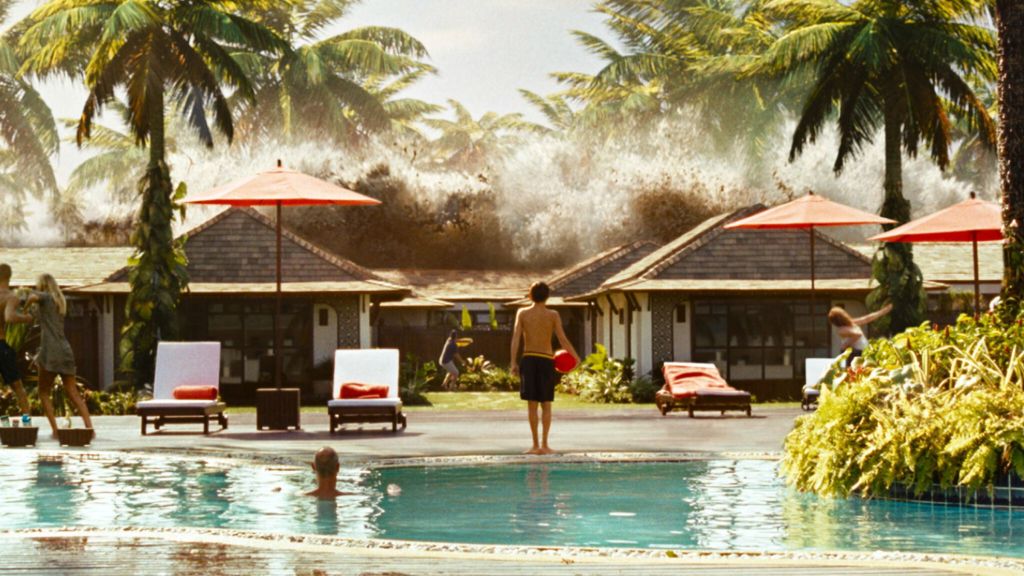
Disaster movies often focus on the event itself, but The Impossible finds its strength in the harrowing hours that follow the initial impact. Based on a true survival story from the 2004 tsunami, the film tracks the desperate journey of a family torn apart by the water. Maria Bennett (Naomi Watts) suffers severe injuries during the surge, leaving her survival in the hands of her young son, Lucas Bennett (Tom Holland). At the same time, Henry Bennett (Ewan McGregor) searches the decimated hospitals and shelters for his wife and child, providing a dual perspective on the tragedy.
The script of The Impossible emphasizes the psychological toll of the disaster, showing how the characters must process their trauma while fighting to stay alive. The scale of the destruction is massive, yet the focus remains tightly on the emotional connections that drive the family to keep moving. By prioritizing the human cost over the visual spectacle, the movie delivers a narrative that feels both epic and intimate.
Which disaster movie do you think is the most realistic portrayal of the end of the world? Leave a comment below and join the conversation now in the ComicBook Forum!
Most Viewed
-

Image courtesy of Tor Books/Macmillan -

Official art by Bastien Lecouffe-Deharme