A Knight of the Seven Kingdoms has successfully carved out a unique space within the broader Game of Thrones universe, shifting the focus from the grand political machinations of the Iron Throne to the dusty roads of the Reach. Following its premiere, the series garnered widespread acclaim, currently holding a 93% rating on Rotten Tomatoes and surpassing the debut reception of its predecessors. This success is largely due to the chemistry between Peter Claffey as Ser Duncan the Tall and Dexter Sol Ansell as Egg, whose relationship provides a heartfelt core often missing from the bleak franchise. Plus, by adapting George R.R. Martin’s The Hedge Knight, showrunner Ira Parker has delivered a narrative that feels remarkably focused, prioritizing character development and the internal code of chivalry over the multi-continental sprawl typical of Westeros.
Videos by ComicBook.com
The grounded setting of A Knight of the Seven Kingdoms also contrast to the dragon-heavy spectacle of House of the Dragon, emphasizing a world where the supernatural exists only as a lingering memory or a distant prophecy. In this era of the Targaryen dynasty, the horror of the Blackfyre Rebellion still haunts the veteran knights, and the true dangers are found in the cruelty of petty lords rather than ancient White Walkers. As the dust settles on the Ashford Meadow tourney after the season finale, the conclusion of these six episodes leaves a significant void for viewers who have grown to appreciate the low-fantasy aesthetics and the deconstruction of knightly myths. For those seeking more mud-stained armor and existential wandering, several films capture the same spirit of medieval survival and the burden of honor.
5) Monty Python and the Holy Grail

While primarily recognized as a landmark of surrealist comedy, Monty Python and the Holy Grail remains a great cinematic depiction of the “used” medieval aesthetic that defines the world of Ser Duncan the Tall. Directed by Terry Gilliam and Terry Jones, the film follows King Arthur (Graham Chapman) as he attempts to recruit a band of knights to assist in his quest for the titular relic.

Much like the HBO series, Monty Python and the Holy Grail strips away the romanticism usually associated with Arthurian legends to focus on the grim and administrative boredom of feudal life. In addition, the famous debates regarding the “repressed” nature of the peasantry and the filth-covered inhabitants of the villages mirror the cynical perspective of the smallfolk in Westeros. By poking fun at the rigid class structures and the absurdity of divine right, the film provides a satirical counterpoint to the more earnest chivalry of Dunk, reminding audiences that beneath the heraldry and armor lies a world of mud, disease, and social inequality.
4) Solomon Kane
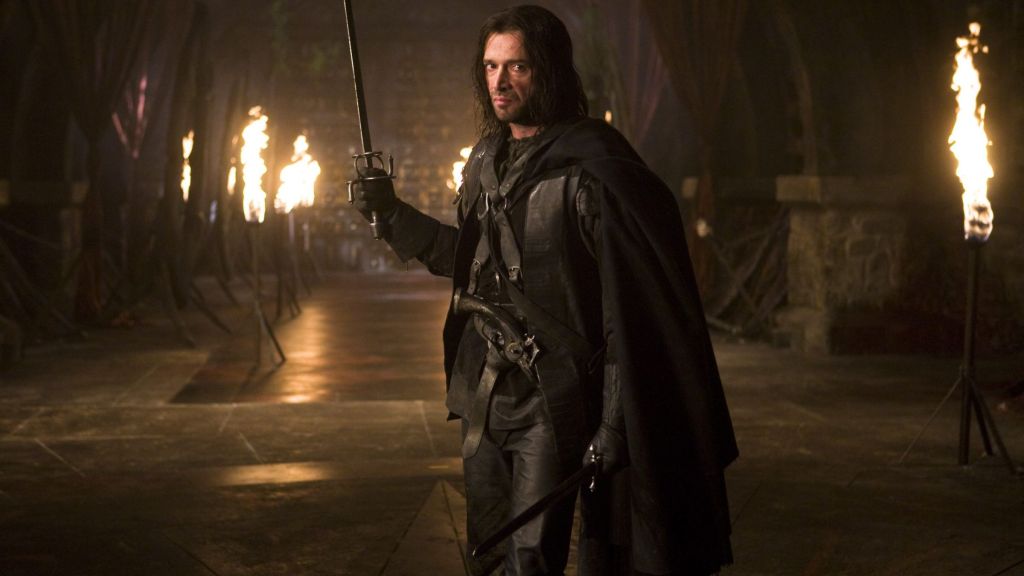
For fans who enjoyed the wandering nature of Dunk and Egg’s adventures, Solomon Kane offers a darker, more action-oriented take on the lone traveler archetype. Based on the characters created by Robert E. Howard, the film follows Solomon Kane (James Purefoy), a former privateer who renounces violence in an attempt to save his soul, only to be forced back into combat when a demonic force threatens an innocent family.
The production utilizes a bleak, rain-soaked palette that echoes the harsher moments of the Seven Kingdoms, presenting a world where magic is a corrupting influence rather than a common tool. Purefoy’s performance also captures the physical toll of a life lived by the sword, emphasizing the internal struggle of a man trying to adhere to a moral code in a land that has largely abandoned its virtues. Solomon Kane functions as a gritty low-fantasy odyssey, focusing on the tactical reality of swordplay and the heavy atmosphere of a world on the brink of collapse.
3) The Head Hunter
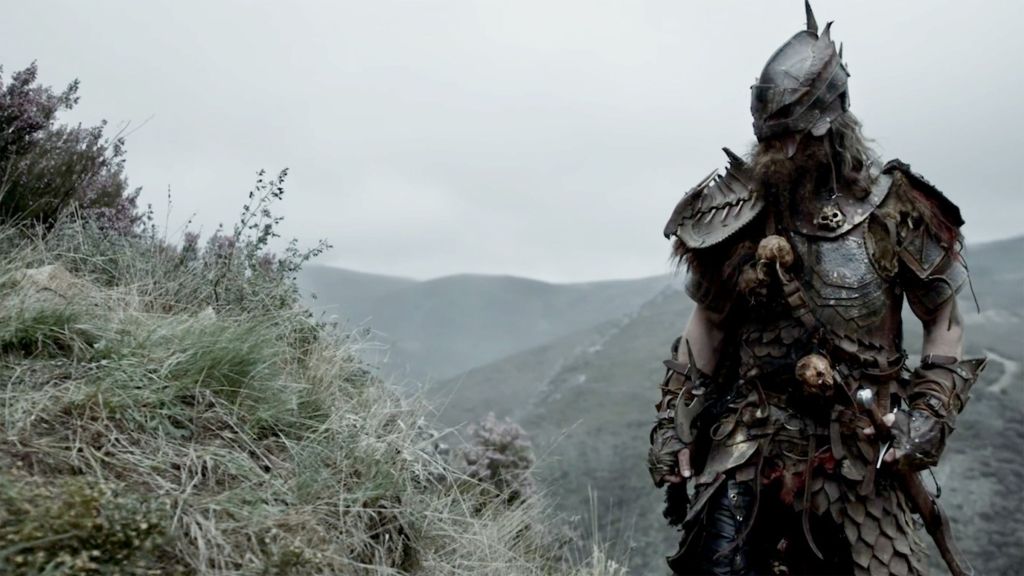
The Head Hunter serves as a masterstroke of minimalist fantasy, utilizing a microscopic budget to create a world that feels as vast and lived-in as any major studio production. The narrative centers on an unnamed warrior known only as The Father (Christopher Rygh), a medieval bounty hunter who lives a solitary life in a desolate forest while collecting the heads of the monsters that killed his daughter.
The film prioritizes atmosphere and the physical burden of survival, with a heavy emphasis on the clanking of armor and the meticulous maintenance of weaponry. Much like the early episodes of A Knight of the Seven Kingdoms, the supernatural elements are kept in the shadows, making the eventual reveal of the grotesque threats feel earned and terrifying. On top of that, Rygh provides a physically demanding performance that highlights the isolation inherent in the life of a sellsword or a hedge knight, making it a mandatory watch for those who appreciate the tactile, unglamorous side of the genre.
2) Dragonslayer

Released in 1981, Dragonslayer remains a definitive example of “dirty” fantasy, eschewing the clean, polished visuals of contemporary epics for a landscape of soot, rock, and ancient superstition. The plot follows Galen (Peter MacNicol), a young apprentice to a sorcerer who must travel to the kingdom of Urland to defeat Vermithrax Pejorative, a dragon that demands the sacrifice of virgins to maintain an uneasy peace.
Dragonslayer’s commitment to a realistic medieval setting aligns perfectly with the aesthetic of Westeros, depicting a society where the Church and the monarchy are struggling to transition away from a past defined by magic. Unlike the modern interpretations of dragons seen in House of the Dragon, the beast here is a terrifying entity of destruction, making the protagonist’s struggle feel like a genuine David-and-Goliath encounter. Its emphasis on the cost of heroism and the corruption of those in power mirrors the political undertones of Martin’s novellas, proving that even a story with a dragon can remain grounded in human failure.
1) The Green Knight
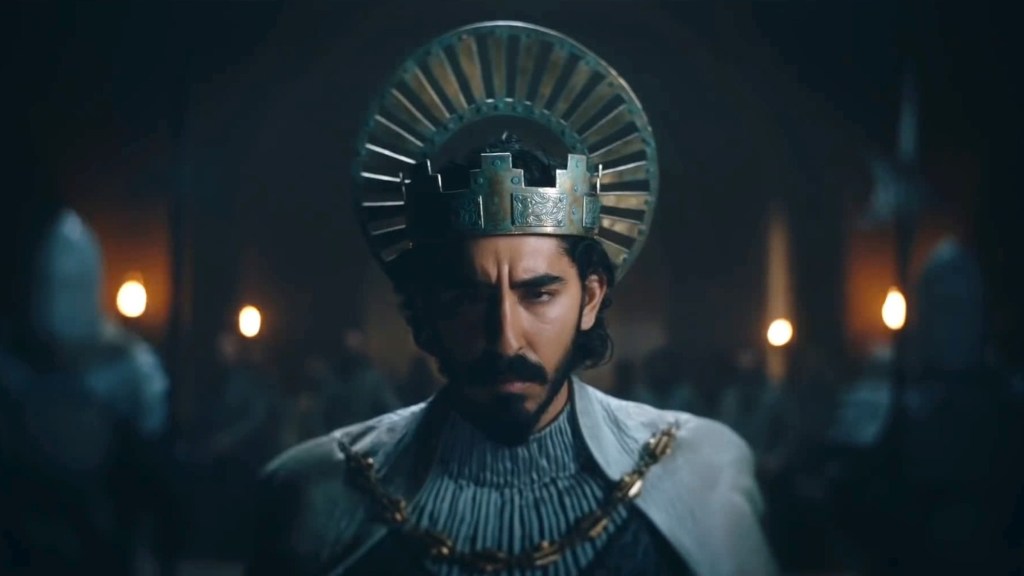
David Lowery’s The Green Knight stands as the best fantasy film to watch after the Dunk and Egg series because it provides the most sophisticated deconstruction of the knightly mythos in modern cinema. Based on the 14th-century poem, the story follows Gawain (Dev Patel), the impetuous nephew of King Arthur, as he embarks on a quest to confront the titular entity after a fateful Christmas game.
The Green Knight avoids the standard tropes of high-stakes warfare to focus on the psychological and spiritual journey of a man who is unsure if he possesses the courage required to be a “true” knight. Patel delivers a transformative performance that captures the same vulnerability and imposter syndrome that haunts Dunk throughout the tourney at Ashford Meadow. Furthermore, the lush, often surreal cinematography enhances the feeling of a world where honor is a suffocating force. Ultimately, The Green Knight argues that the struggle to maintain one’s integrity is the only quest that matters, reflecting the core theme that makes A Knight of the Seven Kingdoms so resonant with audiences.
A Knight of the Seven Kingdoms is currently available on HBO Max.
Which low-fantasy movie best captures the gritty spirit of A Knight of the Seven Kingdoms? Leave a comment below and join the conversation now in the ComicBook Forum!
Most Viewed
-
Image courtesy of Tor Books/Macmillan -

Official art by Bastien Lecouffe-Deharme