The sci-fi genre has been one of the most consistently popular for decades, with its stories often tapping into complex and thought-provoking ideas. The very nature of science fiction means that the genre is always evolving with the times, delivering depictions of technology beyond the cutting edge and taking a speculative look into humanity’s future. Many of the best sci-fi movies are widely praised and universally beloved, being hailed as iconic and influential for all their impressive science fiction ideas. There are many movies in the genre that feel immensely memorable, with their narrative developments and themes sticking hard and fast in the minds of their respective audiences after only a single viewing.
Videos by ComicBook.com
However, that doesn’t mean that such movies shouldn’t be revisited. In many cases, even great sci-fi movies actually seem far better after repeated viewings, with the second time of watching proving even more rewarding than the first. For many different reasons, the following sci-fi movies are excellent on the first viewing, but are actually improved when experiencing them again with prior knowledge of their story.
5) Moon (2009)
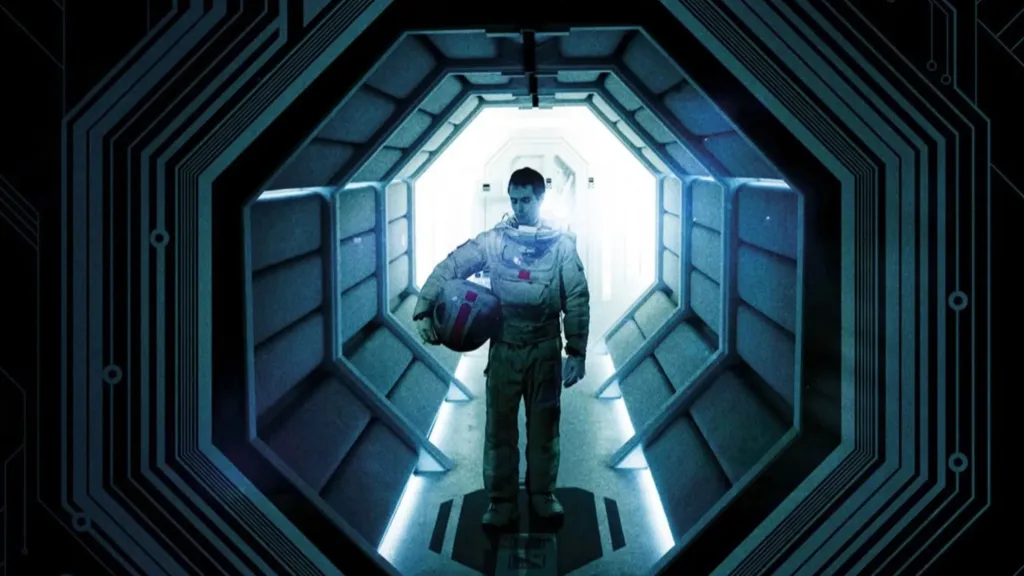
Duncan Jones’ 2009 movie Moon is often considered an underrated modern sci-fi masterpiece. It stars Sam Rockwell as Sam Bell, the lone inhabitant of a facility on the far side of the Moon responsible for overseeing the mining of an important fuel source. As he nears the end of his lonely three-year stint manning the facility, Sam begins to realize that he is just one of a string of clones who have been deceived into a life of servitude on the Moon.
After having experienced the various twists and turns of Moon‘s story, a second viewing actually improves the already excellent movie. When rewatching, it becomes clear just how powerful Sam Rockwell’s performance is, as the various subtleties of his acting come into much sharper focus. It’s a movie that challenges its audience to grapple with an ethical question, and that only serves to make rewatching Moon even more interesting than the first viewing.
4) The Thing (1982)

Of all the great sci-fi movies from the 1980s, John Carpenter’s The Thing is one of the few that continues to stand out as completely exceptional. Following the American crew of an isolated Antarctic research station who are beset by an extraterrestrial being capable of perfectly mimicking other life forms, The Thing‘s air of paranoia and exceptional practical effects have made it a legendary piece of sci-fi horror. As good as it is the first time around, The Thing actually gets even better on a rewatch.
The movie’s iconically ambiguous ending has been the subject of much debate over the years, and that’s part of what makes the second viewing so much better. Watching the movie back and trying to catch any subtle hints as to the true nature of the surviving characters MacReady and Childs only serves to highlight the strength of The Thing‘s narrative, the script, and the visual effects. It’s a masterclass in sci-fi horror that only gets easier to appreciate the more it’s experienced.
3) Arrival (2016)

Based on Ted Chiang’s novella Story of Your Life, Denis Villeneuve’s 2016 movie Arrival is often cited as one of the most powerful sci-fi films of the 21st century so far. It follows Louise Banks, a linguist tasked by the US Army with working out how to communicate with extraterrestrial beings who have arrived on Earth. The movie’s big reveal comes in its final act, when Louise finally uncovers that the aliens’ whole method of communication relies on a different perception of time, causing her to understand her own life in a whole new way.
The reveal that the movie’s many flashback scenes involving the death of Louise’s daughter are actually in her future is an emotional rug pull that makes Arrival a deeply heartrending movie. Rewatching it highlights just how smart a sci-fi movie it really is, cleverly blending its time-bending nature right under the audience’s noses all along. Watching Arrival for a second time, armed with the knowledge of how it ends, completely changes how you engage with the film, making it a far more rewarding experience.
2) Children of Men (2006)
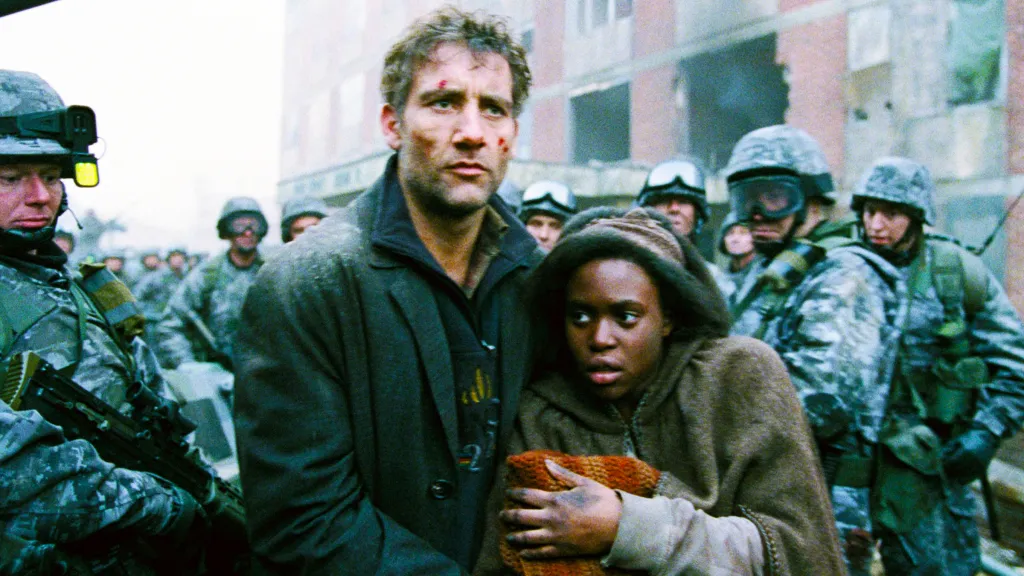
The list of the best British sci-fi movies is surprisingly competitive, but Children of Men is one of the few undeniable contenders for the top spot. Set in a near future in which decades of human infertility have devastated society, the dystopian movie stars Clive Owen as a man who sets out to help a refugee escape the increasingly hostile environment she finds herself in. While it’s an excellent movie the first time around, Children of Men gets even better upon repeated viewings.
Unlike other movies on this list, the rewatch factor of Children of Men stems not from some big plot reveal or the movie’s ending, but rather the quality of the film. Its action scenes are so tense and fast-paced that it’s easy to miss small details, and rewatching allows the viewer to better soak in the true depth of its dystopian world. The secondary details and minor touches that bring the movie to life only serve to enhance its excellent story, making the second viewing even more rewarding than the first.
1) Tenet (2020)

Christopher Nolan has a habit of making masterpiece sci-fi movies that are difficult to make sense of, and Tenet is perhaps the greatest example. The movie starts by introducing the idea that technology has been developed that allows objects to move backwards through time, with its story then unfolding in two different directions simultaneously from that point. It’s not until the end of the movie that Tenet‘s story finally catches up to itself, revealing that the unnamed protagonist has already played a far greater role than the audience was originally led to believe.
Of course, a second viewing armed with that knowledge enhances the experience in obvious ways. However, the other benefit of rewatching Tenet is that its remarkable action set pieces, which feature objects and people moving in different directions through time, make far more sense. This allows the viewer to better appreciate the sheer imaginative spectacle of the movie, helping Tenet stand out as a movie that only gets better after it’s already been watched once.
What do you think? Leave a comment below and join the conversation now in the ComicBook Forum!
More Movies
-

Image Courtesy of Lucasfilm -

Image via Focus Features -

Before Pandora, Star Wars Had Already Created a Mysterious World Unlike Any Other