If you were a kid in the 1990s, science fiction was all over TV and the cinemas. The decade gave audiences a long list of movies that made the genre feel exciting, strange, and completely unpredictable. There were digital worlds, futuristic cities, alien invasions and dystopian societies waiting to be discovered. By the time the 2000s arrived, a new generation of filmmakers had taken those ideas in different directions. 2003 was especially interesting for sci-fi fans because it delivered several movies that felt connected to the genre’s ’90s golden age.
Videos by ComicBook.com
Some of these movies became major hits. Others found their audiences later and developed devoted followings. They also represented very different sides of science fiction. There were futuristic thrillers, supernatural adventures, and massive studio sequels. They all stretched the imagination and showed audiences a peek into what the future could offer. More than two decades later, they remain memorable reminders of what made early-2000s science fiction so much fun.
4) X2 Offered a Different Vision of the Future
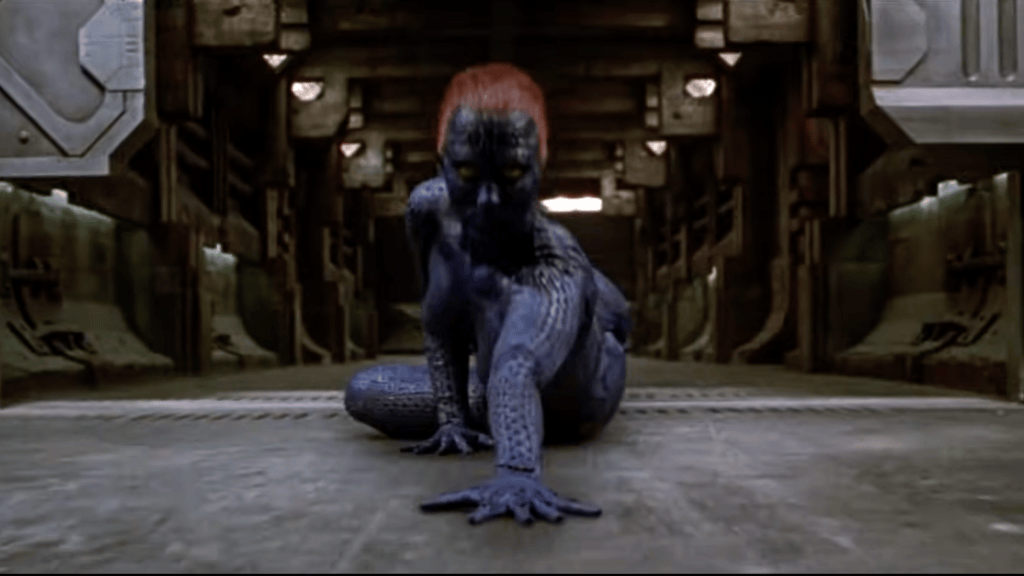
X2: X-Men United took the first X-Men movie and basically made everything bigger. Wolverine was back, along with Professor X, Storm, Cyclops, Jean Grey, and the rest of the mutant crew. This time, though, they had Colonel William Stryker to worry about. He had a serious problem with mutants, and a plan to do something about it. Wolverine also got to dig deeper into his mysterious past, which was probably overdue at this point. Then there was Nightcrawler. He could teleport, had blue skin, and looked like he belonged in a completely different movie. Somehow, he fit right in.
What made X2 so memorable was that it had more going on than just people throwing cars and shooting lasers at each other. The mutants were dealing with fear, prejudice, and what happens when people decide you’re dangerous simply because you’re different. Of course, the movie still knew how to have fun. The White House attack was an incredible way to start things off, and the action only got crazier from there. For anyone who grew up on ’90s science fiction, X2 felt like a pretty natural next step. It had the same outsider themes, but now everything was bigger, louder, and a lot more expensive. And honestly, seeing all those mutants finally get to cut loose was half the fun. Now, all we have to see is the X-Men reboot for the MCU.
3) Terminator 3: Rise of the Machines Took the Franchise to an Untimely End

Terminator 3: Rise of the Machines brought back Arnold Schwarzenegger, John Connor, and, of course, another Terminator ready to ruin everyone’s day. This time, the T-800 had some competition. Kristanna Loken played the T-X, a newer machine sent back to take out the people who would eventually become leaders of the resistance. That put John right in the middle of everything. He was older now, living off the grid, and still convinced that Judgment Day was coming. And, well, he wasn’t exactly wrong. Terminator 3 also had plenty of what fans came for: fast cars, huge explosions, killer robots, and a whole lot of stuff getting smashed to pieces.
The biggest difference was how the movie handled Judgment Day. The first two Terminator movies made it feel like the future could be changed. Terminator 3 wasn’t quite as optimistic. This time, the future was coming whether John liked it or not. That gave the movie a surprisingly dark feeling, especially underneath all the action. It still had the giant machines and over-the-top destruction fans expected, but there was something else hanging over the whole movie. One Terminator quote also prophesied the fate of this franchise. The feeling that maybe this wasn’t about stopping the end of the world anymore. Maybe it was about getting ready for it.
2) Underworld Created a New Vampire and Werewolf War

Before Underworld came out, vampires were nothing new. Werewolves weren’t either. But putting them together? That was different. The movie took an old supernatural war and turned it into something that felt almost like science fiction. Vampires had guns. Lycans had guns. Everyone had leather. Everyone had secrets. At the center was Kate Beckinsale’s Selene, a vampire warrior caught between both sides. She hunts Lycans for a living. Then she discovers they are hunting a human named Michael Corvin. That’s when things get interesting. Because this isn’t just another monster movie. There is a much bigger mystery hiding underneath the war.
And that’s what made Underworld so special. It had a world. A real one. It felt like there was history behind every character and every secret. The movie was dark, cold, and ridiculously stylish. Blue lighting. Black leather. Giant weapons. Gothic buildings. It looked like someone took vampire mythology and ran it through The Matrix. In 2003, that was a pretty great combination. The movie also had something a lot of genre films lacked. It made you want to know what came next. Who started the war? How deep did it go? What else was hiding down there? Underworld didn’t answer everything. It didn’t need to. It made the world feel bigger than the movie. And sometimes, that’s exactly what makes a sci-fi movie memorable.
1) The Matrix Reloaded Took Audiences Back Into the Matrix
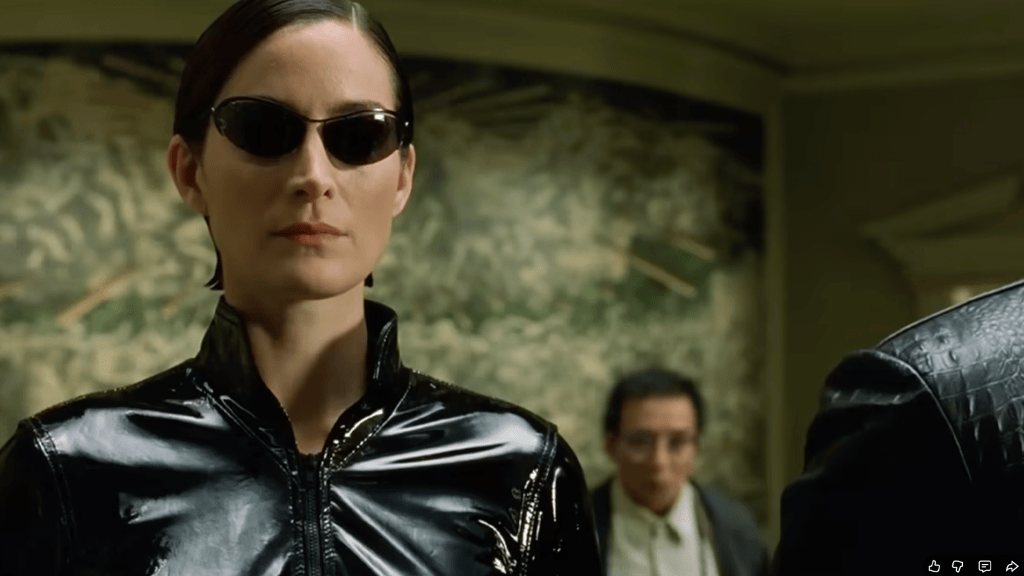
There was no way The Matrix Reloaded could simply be another Matrix movie. The first film had already changed the game. So the sequel went completely nuts. Zion. Machines. Prophecies. The Architect. The Merovingian. And enough black leather to outfit an entire mall. But the action was still the big draw. The freeway chase remains one of the wildest sequences of the early 2000s. Cars crash. Trucks explode. Trinity rides a motorcycle the wrong way through traffic because apparently normal transportation wasn’t good enough. Then there are the fights. Neo versus hundreds of Agent Smiths is still ridiculous in the best possible way. And imagine what would have happened to the franchise if a different actor played Neo.
What made Reloaded different was how much it wanted to mess with the ideas from the first movie. The original gave audiences a simple question. What is real? The sequel basically said, “Okay, but what if that question gets much worse?” Suddenly Neo’s powers had limits. The prophecy wasn’t as straightforward as it seemed. Even the people explaining the Matrix had their own agendas. It made the world feel much bigger. Maybe too big at times. That’s part of the fun, though. Reloaded was ambitious in a way few blockbusters were in 2003. It wasn’t satisfied with giving audiences more explosions. It wanted to make the Matrix stranger. Bigger. More complicated. And occasionally very, very weird.
And that was 2003. Sci-fi could be strange, stylish, ridiculous, thoughtful, or all four at once. Some of these movies gave us new worlds. Others gave us new nightmares. A few gave us both. More than 20 years later, they are still proof that sometimes the best part of science fiction is not knowing what comes next.
More Movies
-
Image Courtesy of Lions Gate Films -

Image Courtesy of Marvel Comics