Though the 2000s may largely be an era of sci-fi and genre filmmaking defined by the sequels that it produced, we not only saw multiple superhero franchises take root at the time, not to mention franchises like the Resident Evil series and Men in Black, but the gems it produced are also undeniable. Eternal Sunshine of the Spotless Mind, Wall-E, Avatar, and the revival of Star Trek all happened in this decade and became films that continue to influence pop culture. The 2000s also gave us Steve Spielberg fully embracing his science fiction interests, directing A.I. Artificial Intelligence, Minority Report, and War of the Worlds all in just four years.
Videos by ComicBook.com
That said, there are still plenty of other titles that have gotten lost in the shuffle. 2008’s Iron Man may be more action than sci-fi, but the Marvel Cinematic Universe was built on the backbone of a guy creating a flying supersuit with his AI assistant. Plus, the Transformers finally made the leap to live-action and proved there were billions of dollars on the table. But even with these titles dominating the conversation, there are still others that might have fallen to the back of the shelf; it’s time to blow the dust off them.
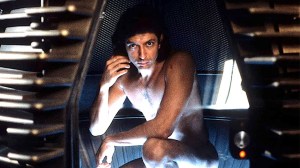
7) The Animatrix

The success of The Matrix in 1999 not only gave way to the sequels but also a dramatic expansion of the world and its lore in a way that only the Wachowskis could accomplish. By employing some of their favorite anime studios from Japan, they were able to pay tribute to their influences while also answering major questions that fans had after watching the first movie. For anyone who found themselves disappointed by the sequels to The Matrix and used that as a reason to avoid The Animatrix, should reconsider; its stories are full of life, new ideas that expand the scope of the world, and, naturally, they’re visually compelling.
6) Doomsday

After a virus forces the UK to seal Scotland behind a wall for indefinite quarantine, no one gave the nation a second thought, until satellite imagery revealed that survivors still lived beyond the walls. Hoping to find a cure or the answer to immunity, an elite team is sent through to make contact, only to find that most of the survivors have reduced themselves to a barbaric, cannibal society. Neil Marshall’s 2008 film is what happens when you blend Mad Max, Escape From New York, and 28 Days Later into a blender, delivering a raucous sci-fi action movie that manages to overcome the sum of its parts and delivers an epic with no subtlety and more explosions than you can count. It sounds like a lot, and it is, but if Marshall’s horror film The Descent is on one end of the maximalism scale, Doomsday is on the other.
5) Gamer

Fresh off the success of the Jason Statham-led Crank movies, filmmaking duo Mark Neveldine & Brian Taylor gave the world their most ambitious idea, Gamer. The film puts a futuristic spin on gladiators after a software developer creates technology to allow humans to take control of other people, like avatars in a video game. Death row inmates are put against each other in what now amounts to a match of Call of Duty in real life. Released in 2009, Gamer was ahead of its time, not only for how it would lampoon the future of capitalism in the tech sphere but in the actual antics of real-life gamers. Featuring the trademark bananas action that defined Neveldine & Taylor’s career, it’s a movie that requires a specific wavelength, but those who can ride it will enjoy their time.
4) Godzilla Against MechaGodzilla
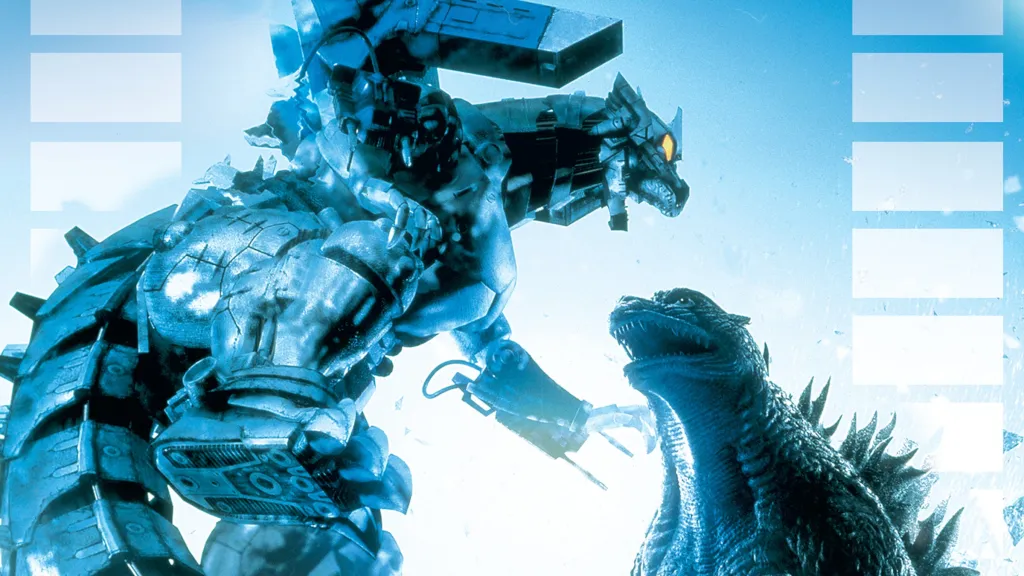
The 2000s started very, very strong for Godzilla, with five movies in the first five years, and the best part is that three of them are great. With Godzilla Against MechaGodzilla, the series delivers not only the most impressive and powerful version of the android antagonist in the history of the franchise, but one who is literally built on the bones of a dead Godzilla. Director Masaaki Tezuka, who made four of the five 2000s Godzilla movies, delivers a film that is the pinnacle of miniature special effects and “Guy in monster suit” movies, with epic cinematography and the kinds of fights kaiju fans dreamed about with earlier films.
3) Moon
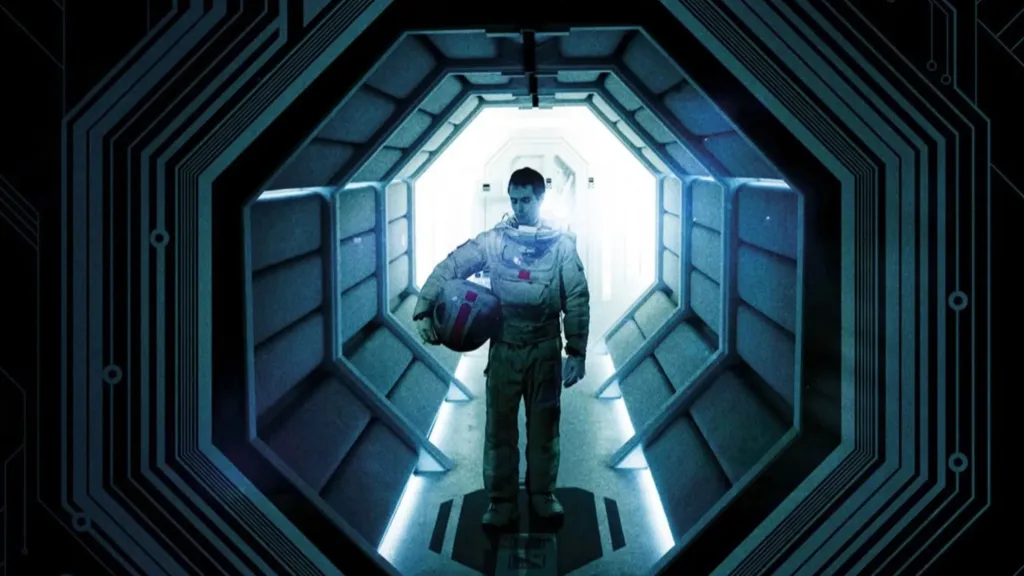
Filmmaker Duncan Jones immediately made a splash with his first film, which stars Sam Rockwell as a blue-collar worker in isolation on the moon, approaching the end of his three-year stint. To dig much deeper would spoil the many surprises in Moon, but suffice to say that what the movie has to say about the life of the working man, the malevolent evil of corporations, and the sinister undertones of AI have not only stood the test of time but also aged like fine wine. Even if subtext isn’t your thing, despite reading a list about great sci-fi movies, Moon also has an aesthetic and performance quality that just make it a fully engaging and great movie.
2) Pitch Black
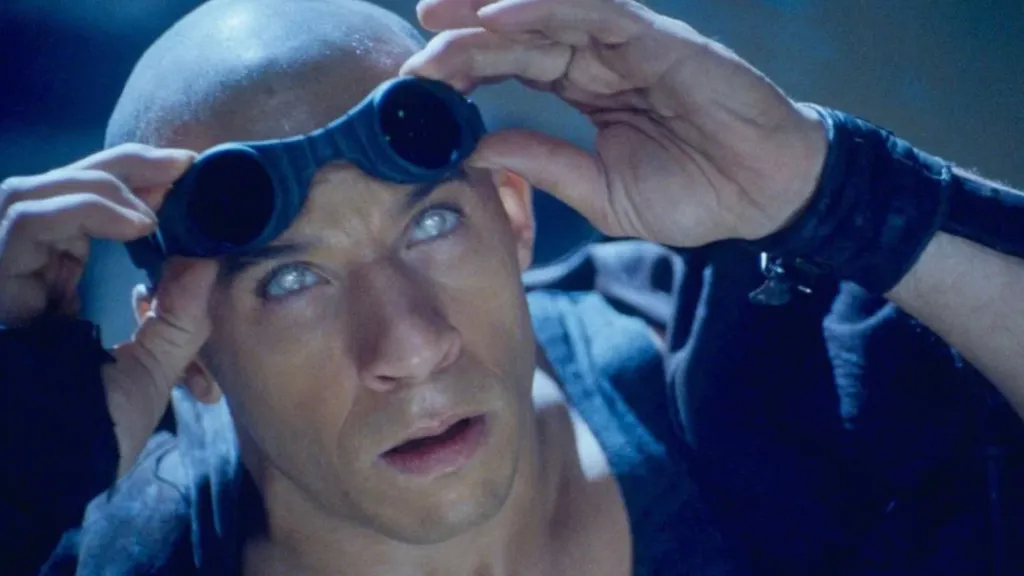
Before it kick-started an entire franchise (and became Vin Diesel’s baby), there was just Pitch Black. A low-key sci-fi tale about a prison ship stranded on a deadly planet, and one of the survivors whose unique gift may be their only key to survival. Pitch Black is a fun watch not only because it has a distinctly comic book style story, but it has a totally unique aesthetic and surprises around every corner. The film also marks a distinct point in Vin Diesel’s career where, all due respect, he actually cared about his craft as a performer. His gravely voice and cool-as-a-cucumber demeanor had not come to define him just yet, making Riddick a character that’s still compelling to watch. Though the sequels to Pitch Black may have outdone this movie and fully explored the potential for the character and world, the humble beginnings are worth a revisit.
1) Pontypool
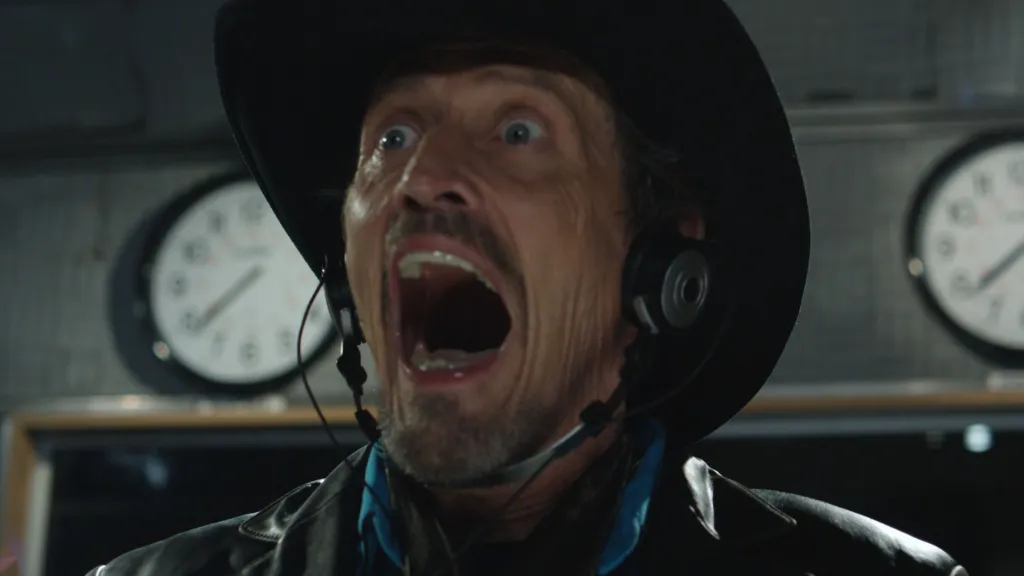
Though closer to the horror end of “horror sci-fi,” Pontypool is one of the most underrated movies of the 2000s period. Set against the backdrop of a small Ontario town, the film tells the story of a unique virus, one not spread by germs, saliva, or blood, but language. Infected words are causing humans to go mad and kill each other, leading the film to places that no zombie movie can really tread, and a conclusion that will throw you for a loop harder than any Twilight Zone twist. Filmmaker Bruce McDonald’s keen instincts, centralizing the entire film around a small cast and one location, allow Pontypool to squash down it narrative to make the themes of isolation and paranoia hit even harder.
Most Viewed
-

Image Courtesy of Studio Bones -

Image Courtesy of Science SARU