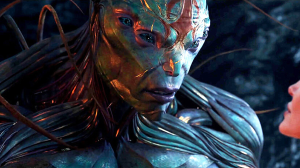
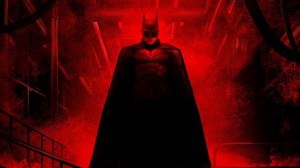
The release of Spider-Man: Into the Spider-Verse and its sequel, Spider-Man: Across the Spider-Verse, were critical and commercial triumphs that proved audiences possess a massive appetite for multiversal narratives that deviate from the traditional Peter Parker template. The success of Miles Morales (voiced by Shameik Moore) as a cinematic lead demonstrated that the core tenets of the Spider-Man mythos—responsibility, loss, and perseverance—can be effectively translated through diverse perspectives and radical visual styles. Consequently, Sony Pictures has moved to capitalize on this cultural momentum by expanding the franchise into a broader ecosystem of interconnected media, elevating the Spider-Verse from a simple film series into a versatile platform for experimental storytelling.
Videos by ComicBook.com
Sony’s expansion strategy is already manifesting through the live-action Spider-Noir series, starring Nicolas Cage as the private investigator variant Ben Reilly. Furthermore, Sony Pictures Animation presidents Kristine Belson and Damien de Froberville confirmed that solo animated features for Gwen Stacy (voiced by Hailee Steinfeld) and Hobie Brown (voiced by Daniel Kaluuya) are in active development. Because the multiverse offers an infinite array of alternate realities, the studio is positioned to spotlight several unique variants whose distinct backgrounds and aesthetic worlds provide fertile ground for standalone narratives.
7) The Renaissance Spider-Man

The existence of a Renaissance-themed Spider-Man is implied by the presence of the Renaissance Vulture (voiced by Jorma Taccone) in the opening sequence of Spider-Man: Across the Spider-Verse. The villain originated from an alternate reality that mirrors the aesthetic of 16th-century Italy, using sepia tones and parchment textures. While the Spider-Man of this universe never appears on screen, the creative craftsmanship displayed in the Vulture’s mechanical wings suggests a world that exists at the intersection of Da Vinci-inspired engineering and superhero tropes. Therefore, the appeal of this variant lies in the departure from modern technology, utilizing a “low-tech” perspective where web-shooters and costumes must be reconciled with the materials and scientific understanding of the Italian Renaissance.
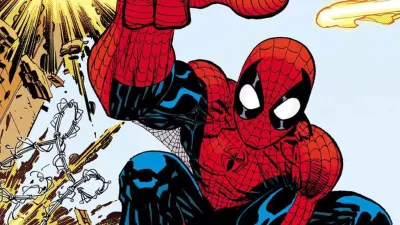
6) Spider-UK
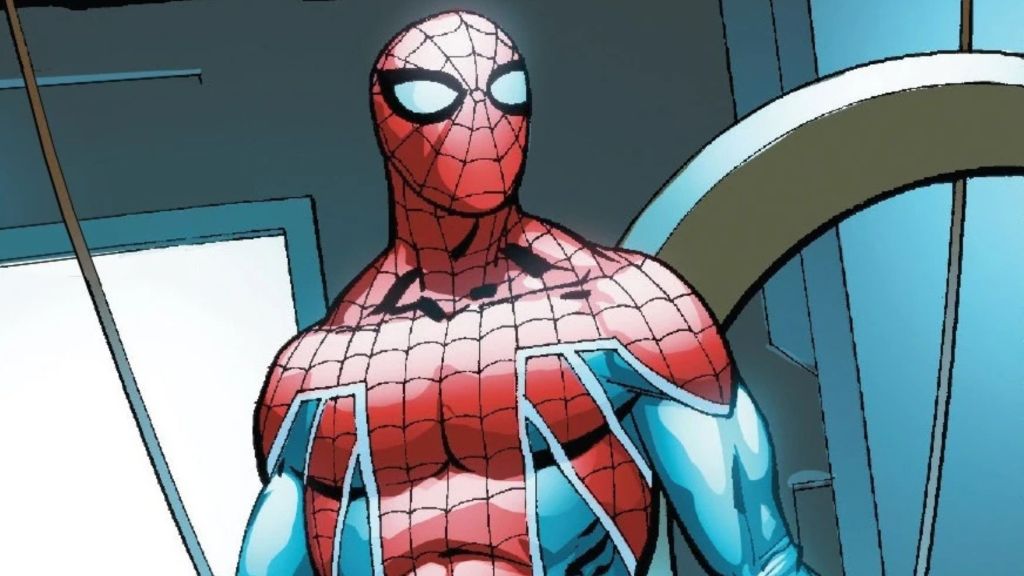
Created by Jason Latour and Robbi Rodriguez for the 2014 Spider-Verse comic event, Billy Braddock is a variant from Earth-833 who represents a fusion of the Spider-Man and Captain Britain identities. In the comics, the character serves as a vital member of the Captain Britain Corps, an interdimensional task force dedicated to protecting the integrity of the multiverse. Although Spider-Man: Across the Spider-Verse featured several UK-themed Spider-People in the background of the Spider-Society, the specific character of Billy Braddock remains a compelling candidate for a deeper exploration due to his unique status as a multiversal peacekeeper. Unlike many of his peers who focus on protecting a single city, Spider-UK’s dual heritage as a street-level hero and a cosmic guardian provides a narrative scope that is larger than the typical Spidey adventure, focusing on the preservation of reality itself across multiple dimensions.
5) Old Man Spider
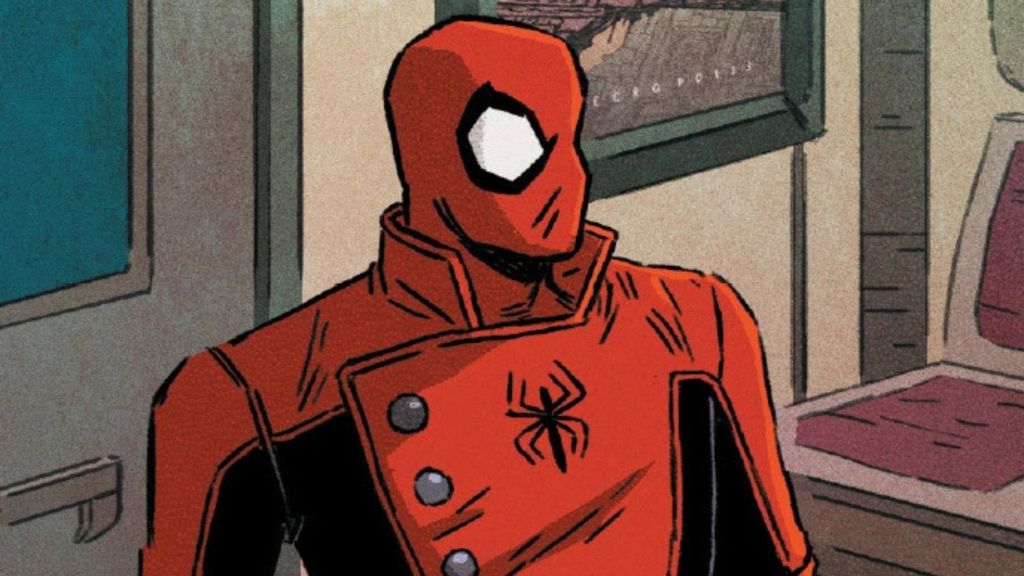
Old Man Spider is a variant typically associated with an older Ezekiel Sims from Earth-4, a world where he assumed the mantle of Spider-Man after the death of Peter Parker. First appearing in the Edge of Spider-Verse comic miniseries, the character has a cynical worldview and a costume that incorporates a heavy leather jacket. This version of the hero was briefly visible during the Spider-Society sequences in Across the Spider-Verse, standing out due to his weathered appearance. Old Man Spider is unique because he offers a perspective on the Spider-Man legacy that is marked by age and long-term survival rather than youthful discovery. As such, while most variants focus on the “coming of age” archetype, Old Man Spider represents the physical and psychological toll of a lifelong war on crime.
4) Jessica Drew

The cinematic version of Jessica Drew (voiced by Issa Rae) introduced in Spider-Man: Across the Spider-Verse is a radical departure from her comic book counterpart, who first appeared in Marvel Spotlight #32 in 1977. In the film, Jessica Drew is depicted as a high-ranking, pregnant leader within the Spider-Society who navigates the multiverse on a high-tech motorcycle. This iteration of the character is also notable for her tactical efficiency, as she operates openly as a seasoned member of Miguel O’Hara’s (voiced by Oscar Isaac) organization. The Spider-Verse Jessica Drew’s history as a mentor to Gwen Stacy and her role as a primary enforcer for the Spider-Society establish her as one of the most authoritative figures in the multiverse. The character’s visual design and professional demeanor suggest a deep history of multiversal combat that remains largely unexplored in the mainline movies.
3) Peni Parker

Peni Parker originated in the Edge of Spider-Verse #5 comic book, written by Gerard Way, and serves as an homage to the mecha and cyber-noir traditions of Japanese animation. From Earth-14512, Peni Parker does not possess organic spider powers; instead, she shares a psychic link with a radioactive spider that co-pilots a massive robotic suit known as SP//dr. While she provided comic relief in the first Spider-Verse film, where she is voiced by Kimiko Glenn, her appearance in the 2023 sequel revealed a significantly darker and more somber tone, reflecting the trauma of her multiversal duties. This aesthetic shift aligns the character with the psychological depth often found in “Evangelion-style” narratives, where the pilot’s identity is inextricably linked to their machine. Peni Parker is unique because her world operates under entirely different genre rules than the rest of the Spider-Verse, blending high-concept science fiction with the emotional weight of a young girl shouldering a heavy legacy.
2) Spider-Man India

Pavitr Prabhakar made his first appearance in the 2004 Spider-Man: India comic series before becoming a standout character in Spider-Man: Across the Spider-Verse, voiced by Karan Soni. His world, Earth-50101, is a vibrant fusion of traditional Indian culture and futuristic urban design, known as Mumbattan. The character’s depiction in the film emphasizes a distinct movement style that utilizes his environment in ways that differ from the standard New York City variants, incorporating Indian culture and a unique web-slinging technique. Pavitr Prabhakar is special because he represents a successful localization of the Spider-Man archetype, proving that the character’s core appeal is universal regardless of geographical or cultural setting. The sheer energy and optimism he brings to the Spider-Society contrast with the brooding nature of leaders like Miguel O’Hara, highlighting the diversity of temperament within the Spider-Army.
1) Spider-Man 2099

Miguel O’Hara is the most compelling candidate for a dedicated spinoff due to his role as the architect of the Spider-Society in Across the Spider-Verse. First introduced in the 1992 Spider-Man 2099 comic series, Miguel O’Hara is a geneticist from a dystopian future who gained his powers through a lab accident rather than a random spider bite. This origin results in a brutal combat style and a set of abilities—including talons, fangs, and the absence of a spider-sense—that separate him from every other variant in the franchise. In the cinematic Spider-Verse, he has the tragic burden of maintaining the “Canon Events” of the multiverse, a responsibility that has clearly eroded his mental well-being and moral flexibility. His presence provides a cyberpunk aesthetic that explores the consequences of absolute authority and the psychological cost of multiversal stewardship.
Which alternate-universe Spider-Man do you think has the most potential for a dedicated solo project in the expanding Spider-Verse? Leave a comment below and join the conversation now in the ComicBook Forum!
More Movies
-

Image Courtesy of Sony -

Wesley & Buttercup Reunited