Sci-fi is arguably the most popular movie genre today, with massive franchises like the MCU, the DCU, Avatar, and more belonging to it. The genre has developed a lot over the years, going from being the subject of ridiculous B-movies to being one of the most well-respected genres in the medium of film. However, the sci-fi films of today stand on the shoulders of giants, and these four films are definitely to thank.
Videos by ComicBook.com
It is impossible to condense the story of the sci-fi genre into just four movies. There are countless sci-fi films that inspired trends and filmmakers, and no film is completely original. However, there are movies that have had more impact than others. These four sci-fi movies aren’t the best in the genre. Rather, they are the most influential and memorable, reshaping the sci-fi landscape forever. This list is also exclusively about features, meaning influential shorts like 1902’s A Trip to the Moon are excluded. So, if we had to make a Mount Rushmore of sci-fi movies, these four films would be on it.
4) Metropolis (1927)
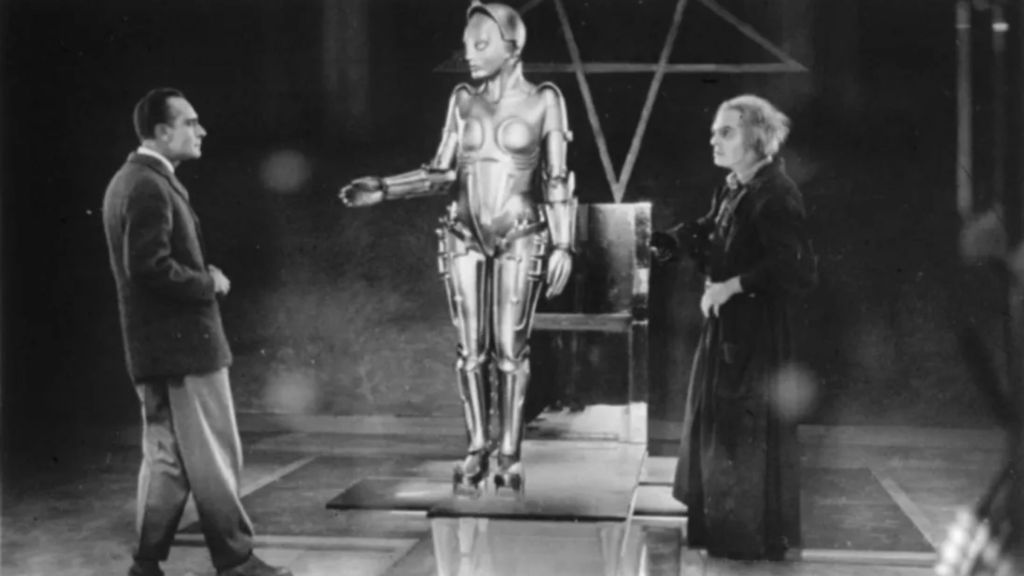
The German expressionist movement influenced many different genres in the country’s film industry, and the perfect example of expressionism in sci-fi is 1927’s Metropolis. The Fritz Lang film is set in a futuristic Utopia populated by wealthy businessmen and robots. However, one of the rich youth in Metropolis discovers that a city of oppressed workers exists under the Utopia, with him deciding that he must help them.
Metropolis is one of the most iconic silent films of all time, with it influencing many of the most popular sci-fi movies of today. Notably, Star Wars was inspired by the look of the film, with the Art Deco design of Metropolis seeping into many other sci-fi worlds. Almost every other dystopian sci-fi movie pulls inspiration from Metropolis, and its influence on the genre cannot be understated.
3) Godzilla (1954)
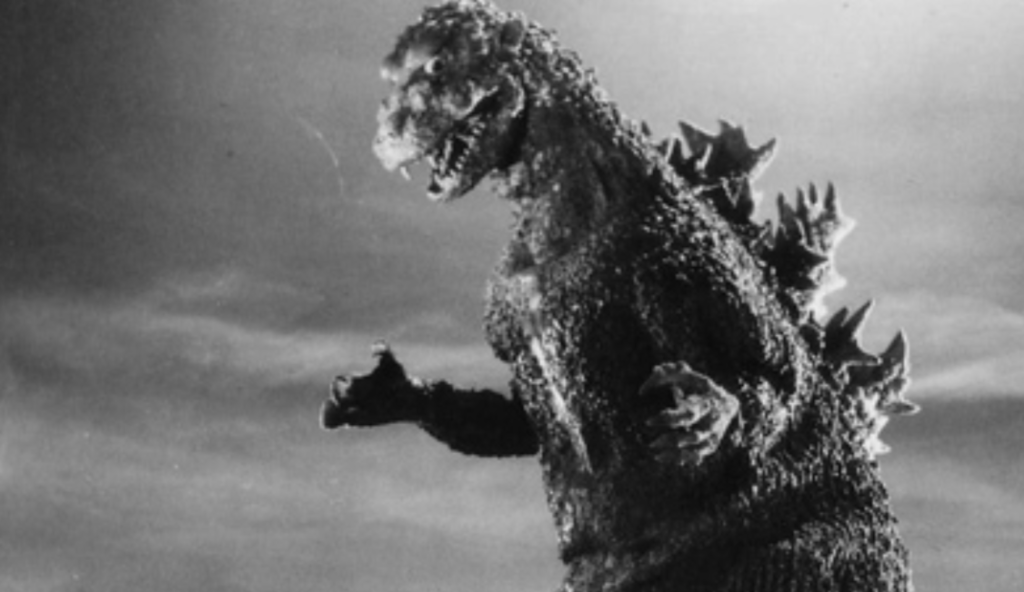
Although 1954’s Godzilla doesn’t involve space travel or robots, it is a sci-fi film. It tells the story of a monster who is created by the detonation of a hydrogen bomb, turning it into a massive fire-breathing beast. It eventually rises out of the ocean and attacks Japan, terrorizing the country and killing an unknown number of civilians.
Godzilla is now a massive franchise, but the film’s influence goes beyond that. Although movies about giant monsters existed previously, like 1933’s King Kong and 1953’s The Best from 20,000 Fathoms, Godzilla is the movie credited with starting the kaiju genre. This movie led to blockbusters, cinematic universes, spinoffs, crossover movies, and more. Plus, Godzilla and the kaiju genre directly inspired filmmakers like Stanley Kubrick, who himself went on to make a genre-shifting movie.

2) 2001: A Space Odyssey (1968)
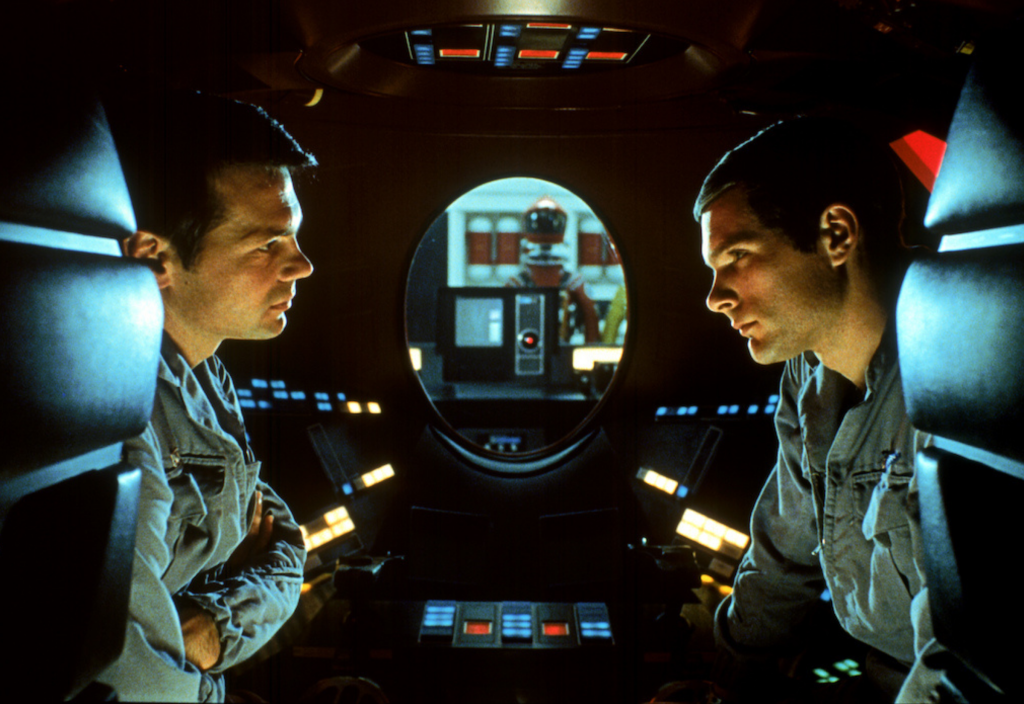
While movies like Metropolis have always existed, sci-fi went through a dark time in the 1950s and 1960s. Then, 1968’s 2001: A Space Odyssey appeared. The Stanley Kubrick film tells several different sci-fi stories, with them all being connected by the appearance of a mysterious black monolith. The film starts at the dawn of man, and later explores space travel, intergalactic exploration, and even a Stargate to an intergalactic zoo.
2001: A Space Odyssey completely reshaped how the public saw sci-fi. Audiences began again taking the genre seriously, setting the stage for the sci-fi classics of the 1970s like Alien, Close Encounters of the Third Kind, and more. 2001 inspired Steven Spielberg, George Lucas, Martin Scorsese, William Friedkin, and Ridley Scott, meaning that the film literally had an impact on an entire generation of iconic filmmakers.
1) Star Wars (1977)
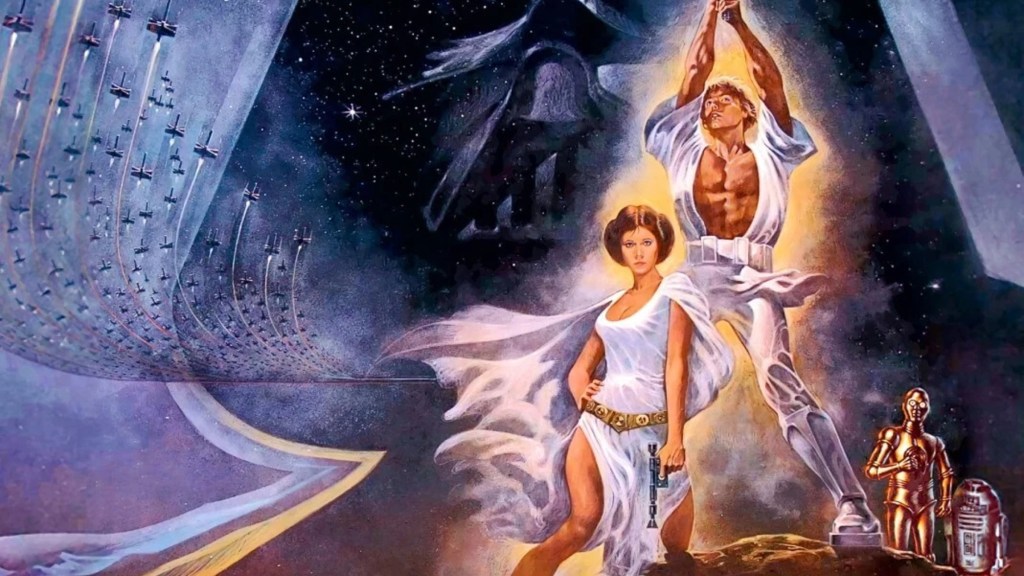
Finally, we get to 1977’s Star Wars. George Lucas’ blockbuster space opera tells the story of a young farm boy from a desert planet who joins a Rebel Alliance to take down the fascist Empire and one of its leaders, Darth Vader. Star Wars eventually continued its story in a massive franchise, consisting of the original trilogy, a prequel trilogy, a sequel trilogy, and tons of spin-offs and TV shows.
Star Wars, alongside movies like 1975’s Jaws, helped create the modern blockbuster. However, Star Wars also spawned something entirely new: fandom. People have always been fans of movies, but Star Wars created the concept of fandom as culture. Star Wars fans dressed as characters, went to conventions, bought merchandise, and more. However, they went further than fandoms like the one surrounding Star Trek. This is because they began to influence the source material.
The Star Wars prequels and especially the Star Wars sequels were made in large part in response to fans. The studios behind Star Wars listened to the fandom to discover their likes, dislikes, theories, and more. Then, they began implementing them into future Star Wars projects. Star Wars became a metacommentary on itself, with the film series no longer being the one-way communication of an artist’s vision. Instead, the franchise became a two-way conversation.
Jar Jar’s role in the prequels was minimized after negative fan reaction to the first film. Then, other franchises followed suit. In 2004, Warner Bros. cancelled a Green Lantern film starring Jack Black due to fan demand. Sonic the Hedgehog completely redesigned the titular character’s design after poor online reactions. Doctor Strange and the Multiverse of Madness featured fancasts of characters as multiversal counterparts. Then, Deadpool & Wolverine was a movie made up almost entirely of these types of cameos.
And now we’re in 2026. Franchises dominate the box office, and new sequels, remakes, and reboots are coming out almost every month. This wasn’t entirely caused by Star Wars, but for better or for worse, the film landscape would be entirely different without it.
What do you think? Leave a comment below and join the conversation now in the ComicBook Forum!
Most Viewed
-

Official art by Bastien Lecouffe-Deharme -
Image courtesy of Tor Books/Macmillan -

A photo of the Retrovolt Arcade taken in 2017, showing several classic arcade cabinets and stools. -

Courtesy of Saber Interactive -

Courtesy of TOHO Animation