The hypothetical questions of “What’s a movie sequel that’s better than the original?” or “Name a sequel that was actually good,” have long been icebreakers for film fans not only because of the passionate discussion they spurred, but because there was a point to them. Even now, as franchises and sequels have become the backbone of Hollywood’s ecosystem, few follow-ups are all that well-regarded by fans and critics. The influence of sequels used to be a cheap cash-in based on the success of the previous film.
Videos by ComicBook.com
Not every great sci-fi movie has one (the likes of Ex Machina and District 9 remain singular), while there are some surprising sequels to the best of the best (2010: The Year We Make Contact isn’t the only follow-up to Kubrick’s 2001: A Space Odyssey). What’s distinct about these sci-fi sequels is how influential they’ve proven to be not only to the genre and the series they belong to, but to films as a whole. Just as interesting as their influence, however, is the fact that only a few of them would even be acknowledged by one of the above questions.
10) Aliens
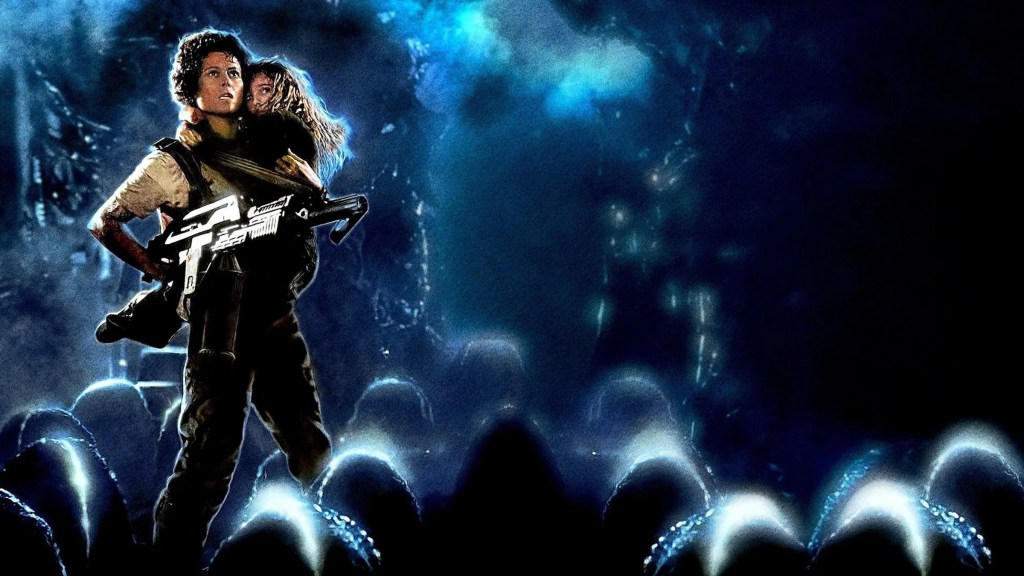
There’s an iconic story that may be a tall tale, how James Cameron pitched the idea of Aliens to 20th Century Fox by writing “Alien” on a chalkboard, adding the “S,” and then converting the “S” into a “$” (the filmmaker has said it is, in fact, true). In truth, as silly as the story sounds, it’s actually what makes this sci-fi masterpiece one of the most important sequels of all time. With just one letter, the sequel to Alien tells you everything that you need to know. The singular threat is now multiplied, and the stakes are immediately clear and higher than they were in the previous film.
That’s not even taking into account the actual content of Aliens, which makes it one of the most important science fiction sequels in movie history. Cameron’s film expands on the lore of the xenomorph in ways that became the bedrock for the entire franchise, but also deepens the character of Ellen Ripley in ways that allowed Sigourney Weaver to deliver one of her best performances (and her first Oscar nomination). Furthermore, the film proved that movie sequels shouldn’t be confined to the genre expectations of what came before, that sci-fi is versatile in its execution.
9) Back to the Future Part II
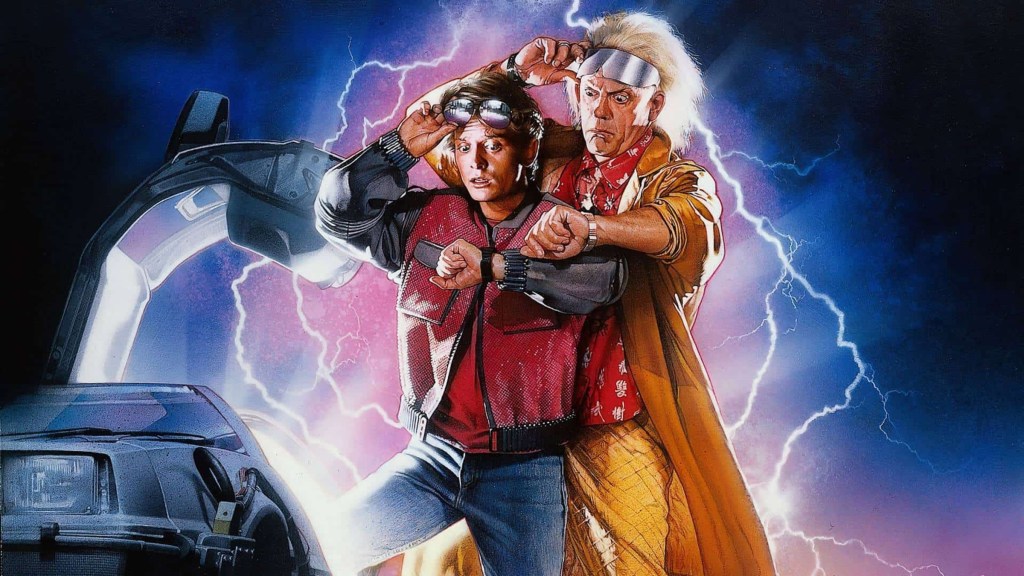
Back to the Future Part II pulls off a distinct magic trick. It’s already a tough line to walk when dealing with time travel stories, but the sequel writes itself into one of the most unique sci-fi corners possible, where part of its story takes place at the same time as the first film. In addition to its second half, which forces Marty to make sure he doesn’t run into him from the original film, it also gives us a speculative look at the future, with its ideas of 2015 and flying cars that were very influential on cinema.
There’s also an element of Back to the Future Part II that makes it very important to cinema history, and it’s how it handled the absence of star Crispin Glover. When the actor declined to return, the filmmakers replaced him with another actor and applied prosthetics to the new George McFly (made from prosthetics created for Glover in the first film), which made it seem like it was still Glover playing the part. As a result, he sued and won. The Screen Actors’ Guild now has a bylaw preventing this from happening.
8) Beneath the Planet of the Apes

After the success of the original film in 1968, a sequel to Planet of the Apes was quickly put together. Unlike other science fiction movie franchises across the ’40s and ’50s, this one has a plot that picks up almost immediately after the events of the first film, building on its story and not just creating a new narrative with the same ideas and brand recognition. This is no doubt an influential step taken by the follow-up that has become a major focal point of Hollywood, but it’s far from the most distinct aspect of the sequel itself.
Two of the biggest central ideas in Beneath the Planet of the Apes are the mutated, psychic humans that live underground and worship the atomic bomb as their god. It expanded the lore of the franchise into bizarre ways and created even more questions than the original ending. After that, the film has a downbeat ending, where the bomb goes off, and the titular planet itself is seemingly destroyed. The success of Beneath, though, meant another sequel had to follow. As a result of Beneath‘s ending, each film in the Planet of the Apes series followed the same motif, writing the series into a corner with its ending that the filmmakers would have to figure out the next time.
7) Bride of Frankenstein
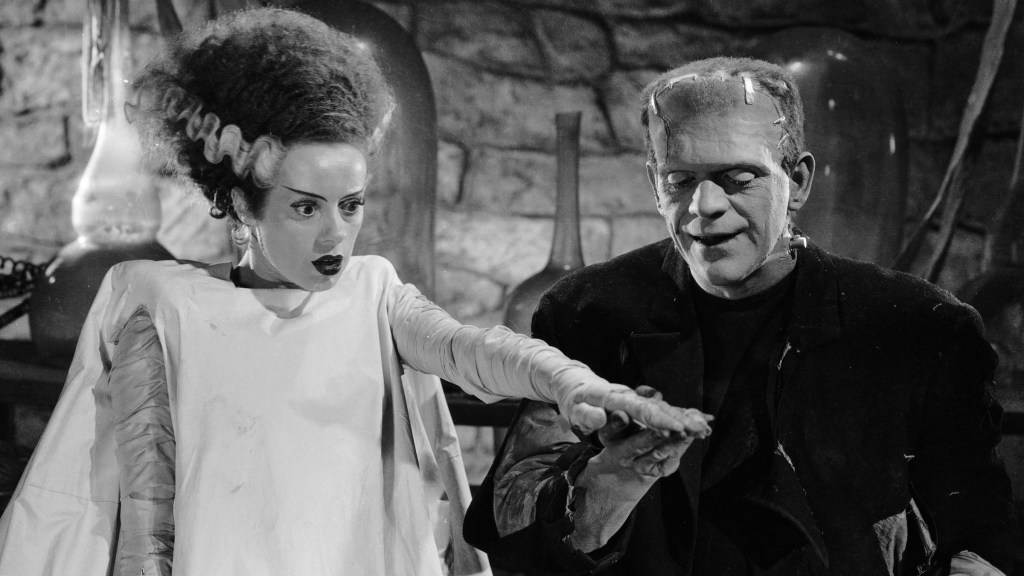
The success of Universal’s classic monster movies spurred countless sequels, but most of them had precious little to do with what happened in the previous film. Dracula begat Dracula’s Daughter, and The Invisible Man delivered…The Invisible Man Returns (despite having a different lead character). James Whale’s sequel to his 1931 film Frankenstein, however, took a very different approach, not only building off the narrative itself with the same actors but returning to the book for further inspiration and even making Mary Shelley herself a character. Bride of Frankenstein‘s influence is largely a narrative one, but its title character also served as an iconic image for films in the 90 years since.
6) The Empire Strikes Back
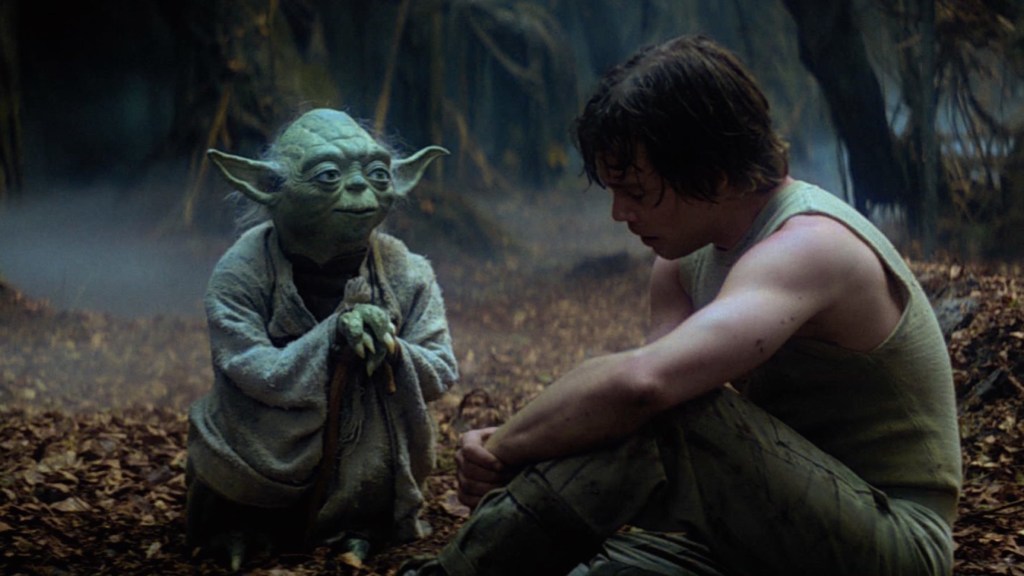
The second film in George Lucas’ original Star Wars series set the template for the second part of three in any series to not only take a much darker turn but to leave audiences wanting more with a downbeat ending (EG, Captain America: The Winter Soldier, The Dark Knight, The Matrix Reloaded). To this day, movie trilogies and TV shows are often talked about in terms of their “Empire” moment. In addition to these two distinct switches for the film, there’s also a larger motif in Empire that remains influential, which is its maturity. Empire not only deepens the lore based on what came before it, but forces its characters to grow up.
5) Mad Max 2: The Road Warrior
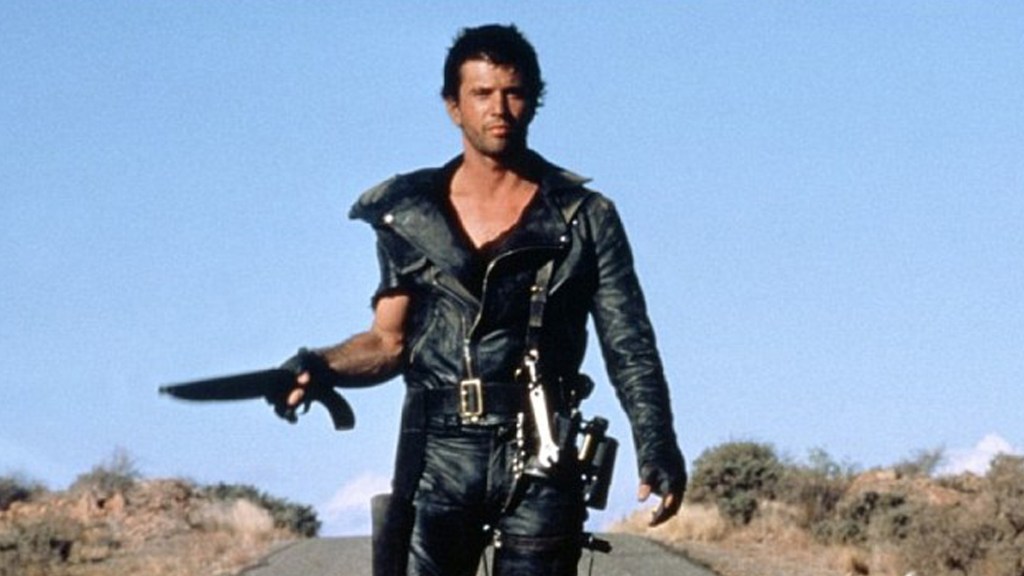
George Miller made a splash with the original Mad Max, but it wasn’t until the sequel that he would really perfect his idea of a desolate landscape ruled by radical figures and the bitter “shell of a man” who does the right thing. Max Rockatansky not only created an archetype in the film for heroes that remains influential, but the movie itself. We don’t get the post-apocalyptic subgenre without the Mad Max franchise, meaning games like Fallout and Twisted Metal are radically different without it (or perhaps don’t exist at all). Not to mention, the things we actually think of when we think about the Mad Max franchise actually started in The Road Warrior, like the car-obsessed cultists that have defined the franchise and the larger-than-life action that would become the blueprint for Mad Max: Fury Road.
4) Star Trek II: The Wrath of Khan
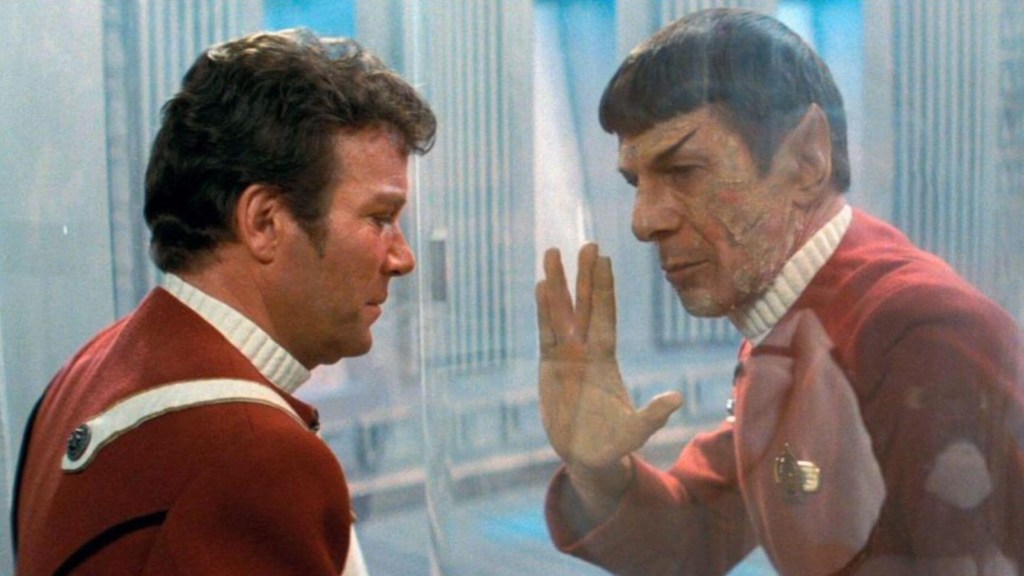
Star Trek: The Motion Picture may have fulfilled a desire by Gene Roddenberry and fans to see how the concept of the original series could be fulfilled with a big budget and better special effects, but the slow pace of the film proved controversial. As a result, the immediate shift in pacing, tone, and dynamic filmmaking for the sequel not only pushed Star Trek to new levels but created a template for other movies to follow in how they could expand their lore and shift its priorities into success.
There’s also the cultural distinction that The Wrath of Khan created for Star Trek beyond its narrative influence on the series. For decades, a “formula” was created to acknowledge the quality of Star Trek films, that only the “even-numbered” movies were good, and that started with The Wrath of Khan, which remains in contention for the best in the series.
3) Superman II
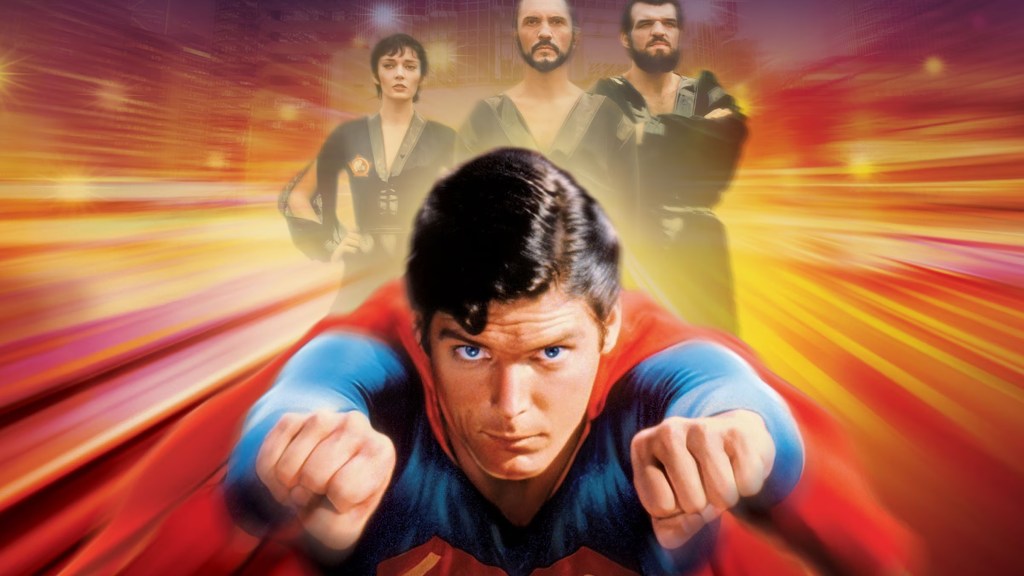
Despite the behind-the-scenes chaos, Superman II arrived when sequels were becoming de rigueur, but the influence of the film went beyond contributing to the tidal wave of follow-ups. Superman II proved that a feature film adaptation of a major comic book figure wasn’t isolated to one successful movie, and that these characters that had enjoyed decades of stories on the page could not only thrive on the big screen but also take on a new level of popularity. Without Superman II, you don’t get Spider-Man 2, you don’t get The Dark Knight, and you don’t get the entire X-Men franchise (as The Donners’ Company produced the films).
2) Terminator 2: Judgment Day
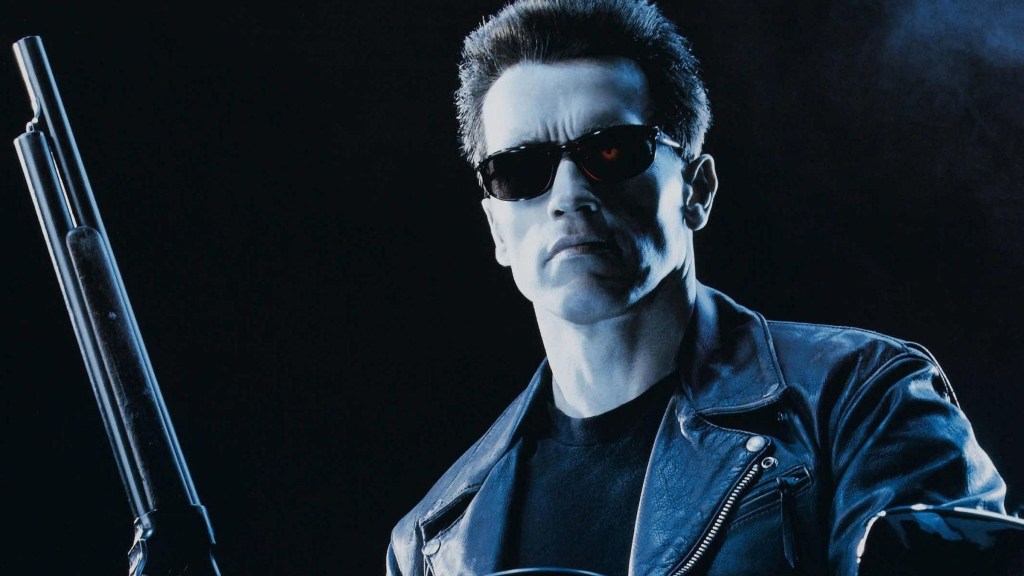
As he did with Aliens, James Cameron once again flipped the script on his own film with its sequel. Not only did he pull off the same magic trick again by moving the horror of The Terminator into an action spectacle with its sequel, but he also proved how you can subvert the audience’s expectations entirely. Terminator 2 pulled this off by making Arnold’s killer cyborg the good guy, and the character dressed as the cop the actual antagonist (subtle as always, Jim).
The influence of Terminator 2 goes beyond just structure and surprising the audience in the narrative, though. Terminator 2: Judgment Day quickly became the gold standard for blending practical and digital effects, pushing the limits of computer-generated visual effects into new realms and paving the way for films like Jurassic Park and Independence Day to follow suit.
1) Tron: Legacy
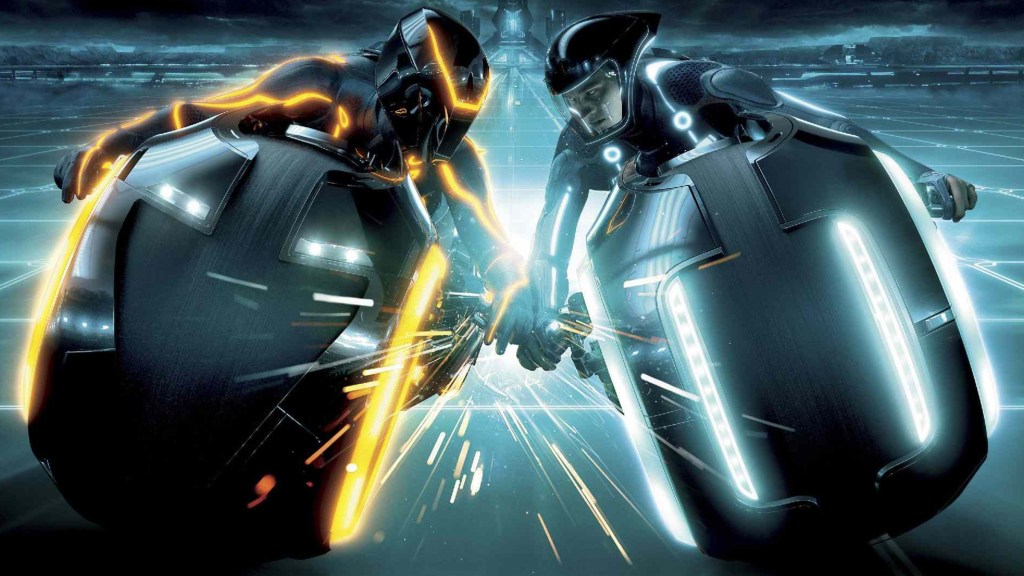
As noted in the headline, Tron: Legacy is pretty far from the “masterpiece” distinction, but the film itself has a pretty clear place in science fiction films. Arriving 38 years after the first, Tron: Legacy literally gave the name to a major piece of pop culture, inspiring the “Legacy” in “Legacy Sequels” as the term applied to follow-ups picking up years or decades later with the new cast back as their original characters. The film may not have been the first to actually do this, but it created the term that would define blockbusters in the sixteen years after its release. Tron: Legacy may not have worked, really, but its influence can be seen across Hollywood with movies like Creed, Blade Runner 2049, Ghostbusters: Afterlife, Halloween (2018), and more.
Most Viewed
-

Image courtesy of Wizards of the Coast -

Courtesy of Bones Film