
The principle that a hero is defined by their adversary is a foundational tenet of superhero storytelling. Marvel Comics recognized that early, building its most enduring characters in relation to antagonists that challenged their moral codes at every turn, shaping the person they would become. That means when the Marvel Cinematic Universe launched in 2008 with Iron Man, it inherited decades of comic book rivalries codified across generations of print publication. However, executing an unprecedented cinematic experiment through dozens of movies forced writers and producers to reinterpret the comic book canon, changing origin stories, power sets, and in some cases even classic rivalries.
Videos by ComicBook.com
When it comes to the original Avengers, the heroes brought together by Nick Fury (Samuel L. Jackson) had a vastly different history in the MCU. Some got multiple movies to explore their past, while others only had the chance to shine on their own when the MCU was fully formed and moving away from the Infinity Saga. In any case, they all can be defined by one of the MCU villains, sometimes in an unexpected way.
6) Hawkeye | Thanos
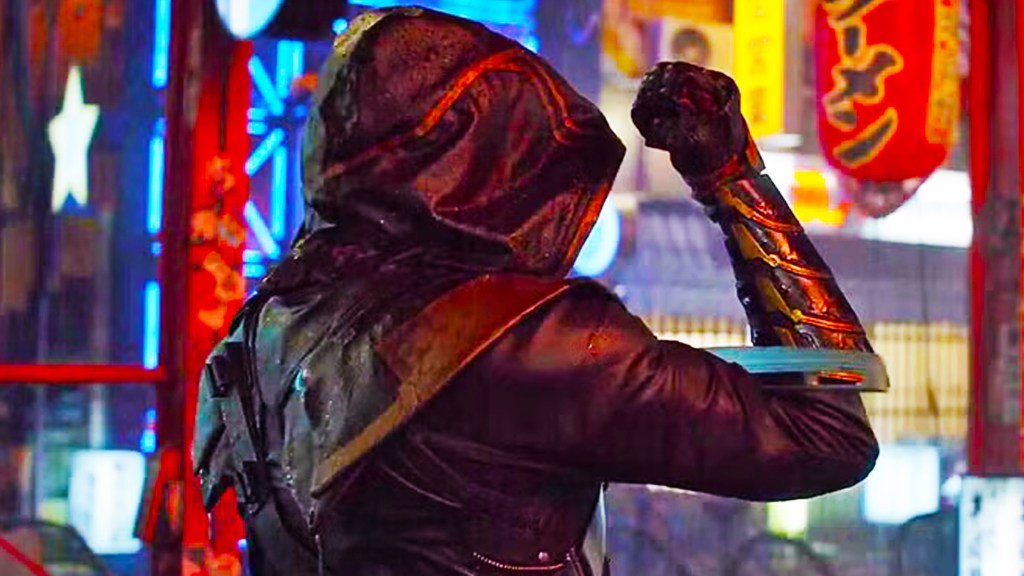
Thanos (Josh Brolin) snapped half the universe out of existence in Avengers: Infinity War, and among his victims were Laura Barton and the couple’s three children, the precious people whom Clint Barton (Jeremy Renner) had hidden from his fellow Avengers for most of the Infinity Saga. The randomness of losing his entire family pushed a disciplined agent over an ethical cliff, with Clint spending the next five years travelling the world and killing criminals he thinks shouldn’t have survived the cataclysm that erased innocent people. With a snap of his fingers, Thanos stripped away Clint’s moral compass, turning him into a vicious executioner capable of cold-blooded murder. Even after the Snap is reverted in Avengers: Endgame, the guilt of his Ronin years follows Clint, unfolding in the events of the Hawkeye series, where he must confront the consequences of his desperate actions. While Thanos is the overarching antagonist of the whole Infinity Saga, Hawkeye is the original Avenger who was changed the most by the Mad Titan.
5) Black Widow | Dreykov
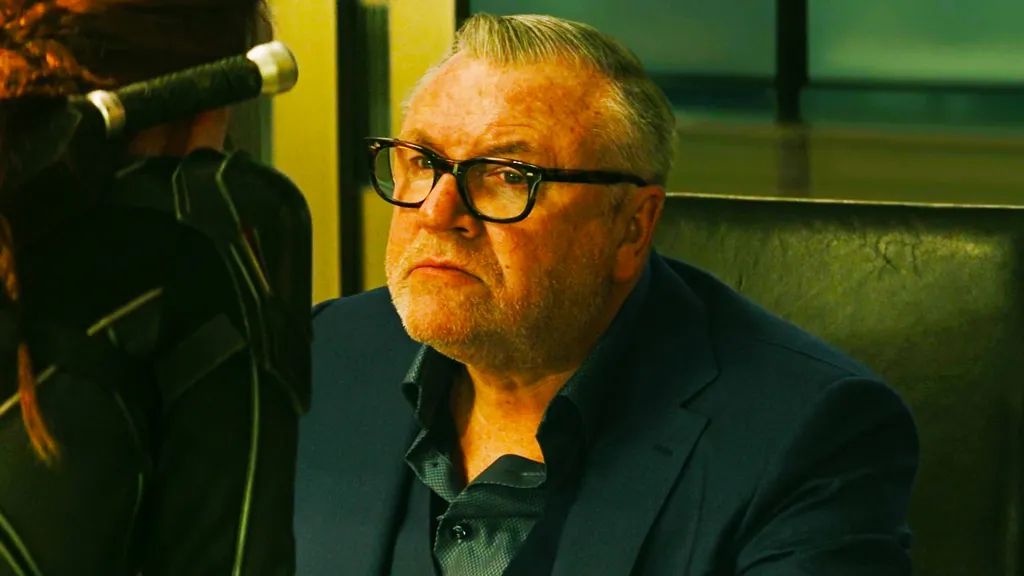
General Dreykov (Ray Winstone) ran the Red Room, the program that abducted young girls and deployed them as assassins trained in every form of combat and espionage. Before the Red Room learned to chemically sever the autonomy of its assassins through a pheromone-based mind control compound, Natasha Romanoff (Scarlett Johansson) was Dreykov’s most famous product. That twisted origin is the source of every “red in my ledger” reference Natasha makes across the MCU, the persistent shame that drives her to sacrifice herself on every mission as if death were a debt she owes the world for what she did under Dreykov’s programming. Black Widow finally makes the argument explicit by allowing Natasha to be free from her past by destroying the system that built her, even though the movie came too late, once the Infinity Saga had already wrapped and fans were aware of Natasha’s sacrifice in Avengers: Endgame. Still, Dreykov does not just define Natasha’s past but the guilt she carries into every subsequent film, making him the villain whose shadow she never fully escapes.
4) Captain America | The Winter Soldier
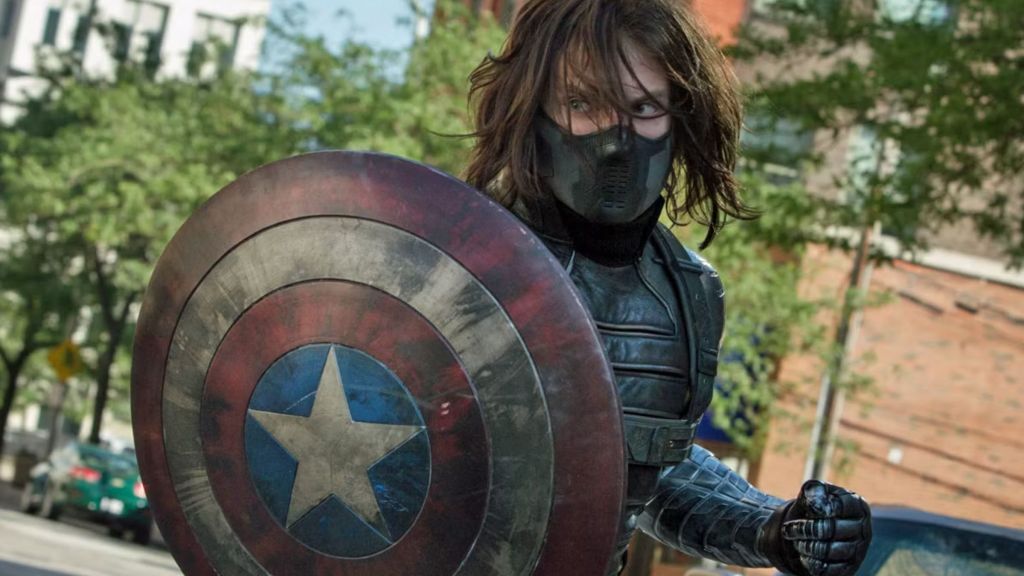
When Steve Rogers (Chris Evans) watches Bucky Barnes (Sebastian Stan) fall from a train in the Alps during World War II, he files that loss under sacrifice and carries it forward as motivation. What Captain America: The Winter Soldier does is weaponize that loss, confronting Steve with a Bucky who has been stripped of every memory that made him a person and rebuilt as the most efficient assassin Hydra ever produced. The film forces Steve to choose between his survival instinct and his refusal to harm someone he loves, and his decision to drop his shield and take the hit rather than fight back is the clearest statement of his moral code in the entire MCU. That choice costs him nearly everything, but it is also the moment Steve graduates from soldier to hero in the fullest sense, because he holds his convictions even when holding them means dying. That choice would define Steve across the events of Captain America: Civil War and even Avengers: Infinity War, with Steve constantly putting his heart ahead of the expectations the world puts on his shoulders.
3) Iron Man | Ultron

Tony Stark (Robert Downey Jr.) spends the MCU’s first phase dismantling his own weapons legacy and replacing it with something he believes serves humanity rather than endangers it, and Ultron (voiced by James Spader) is the moment that the project implodes. Ultron is Tony’s own paternalistic logic made autonomous, a program that inherited its creator’s habit of deciding unilaterally what the world needs and then acting without consulting the people living in it. The catastrophic failure of the Ultron project forces Tony to confront the fact that his greatest flaw is the certainty he has always had that his own judgment is the only one that matters, a lesson he never fully learns, which is precisely why the Sokovia Accords and his fracture with Steve Rogers follow directly from Ultron’s defeat. Every mistake Tony makes in the back half of the MCU traces a direct line back to Sokovia, which is Tony’s desperate attempt to fix his Ultron mistake — ironically, by doubling down on his ego.
2) Hulk | General Ross
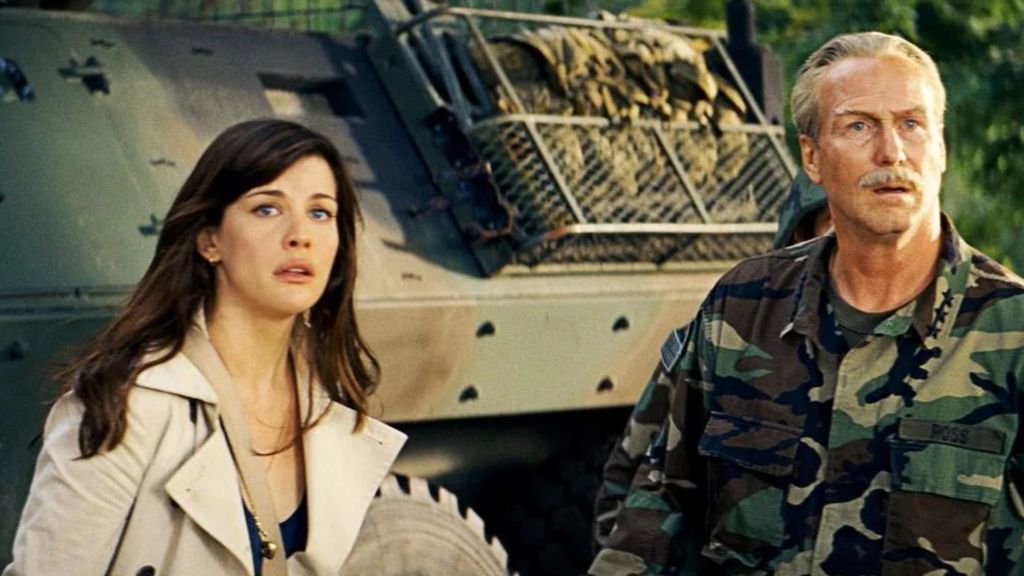
Thaddeus Ross (William Hurt) views the Hulk strictly as government property to be controlled and exploited, treating Bruce Banner’s (Mark Ruffalo) condition as a weapons program the state accidentally lost custody of. That relentless dehumanization forces Banner into a permanent state of self-exile, driving him to hide in remote corners of the earth and eventually even flee the planet entirely in Thor: Ragnarok. Ross sees the Hulk as a monster, and Banner internalizes that assessment so completely that he stops himself from connecting to other people, treating his own existence as a threat to be managed rather than a life to be lived. Banner’s inability to integrate his two identities until the events of Avengers: Endgame is the central tension that defines the character across almost every MCU appearance, and as the Savage Hulk prepares to reemerge in Spider-Man: Brand New Day, the shadow of Ross might return to haunt Bruce Banner.
1) Thor | Loki
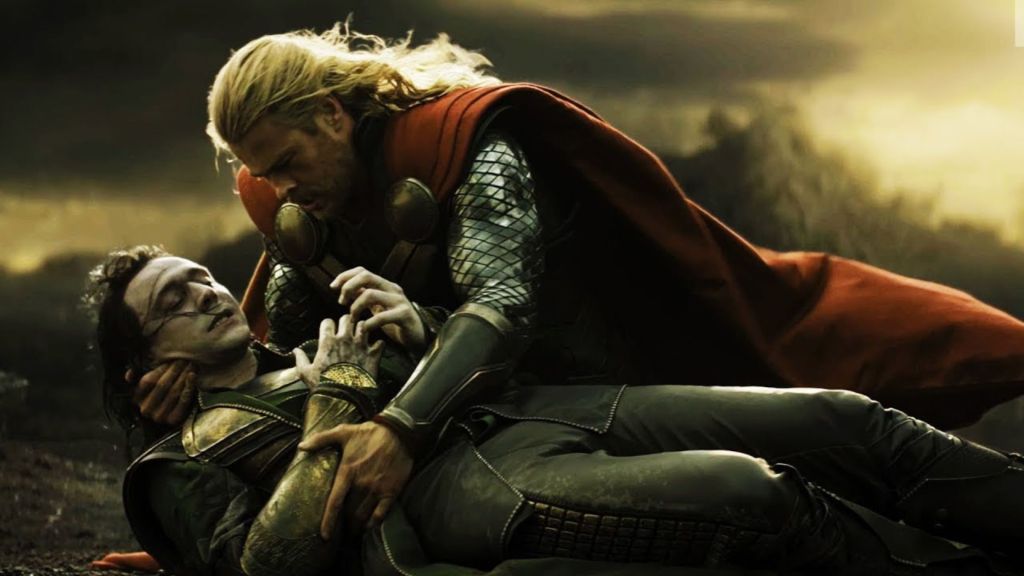
The relationship between Thor (Chris Hemsworth) and his adopted brother Loki (Tom Hiddleston) is the most enduring familial tragedy in the MCU, serving as the crucible that forged the God of Thunder. In his earliest appearances, Thor is an arrogant prince eager for war, blinded by his own strength and entitlement. It is Loki’s initial betrayal and calculated machinations for the Asgardian throne that force Thor into exile to learn humility, transforming him from a vainglorious warrior into a compassionate protector worthy of Mjolnir. Across the Infinity Saga, the God of Mischief acts as Thor’s ultimate foil, constantly challenging his brother’s rigid sense of nobility with self-serving deception. Every stage of Thor’s maturation—from his reluctant leadership in Thor: The Dark World to his realization of Asgard’s true nature in Thor: Ragnarok—is tethered to navigating Loki’s shifting allegiances. Even when they finally reconcile, Loki’s heartbreaking murder at the hands of Thanos in Avengers: Infinity War becomes the defining trauma that propels Thor’s desperate vengeance and subsequent downward spiral.
Which MCU antagonistic relationship is your favorite? Leave a comment below and join the conversation now in the ComicBook Forum!
