Since its debut in 1996, the Resident Evil franchise has maintained its status as one of the most influential horror brands, thanks to a video game series that has consistently delivered massive sales figures. However, the transition from consoles to the silver screen has yielded mixed results. While the long-running film series led by Paul W. S. Anderson achieved significant global box office success, the narrative choices frequently deviated so far from the source material that many dedicated fans felt alienated by the shift toward action-heavy spectacle. After that, the 2021 reboot Resident Evil: Welcome to Raccoon City struggled to find its footing by attempting to condense too much lore into a single two-hour window while simultaneously altering iconic character personalities. Even the more recent Netflix adaptation, which aimed to tell an original story within the game continuity, faced widespread criticism for its lack of focus.
Videos by ComicBook.com
The next Resident Evil film is currently in production under the direction of Zach Cregger, the visionary filmmaker behind Barbarian and Weapons. Rather than serving as a shot-for-shot adaptation of a specific entry in the Capcom series, this upcoming project is designed to tell a completely original story that remains tethered to the established game continuity without relying on the presence of legacy characters like Leon Kennedy or Jill Valentine. During a recent interview with Deadline, Oliver Berben, the CEO of Constantin Film, emphasized that the production is purposefully distancing itself from the games and that fans shouldn’t expect a faithful adaptation. As Berben explains, the new movie is “far away from everything that is connected to Resident Evil, only because Zach Cregger has his own style.”
Giving Zach Cregger Creative Freedom to Tackle Resident Evil Is the Right Move
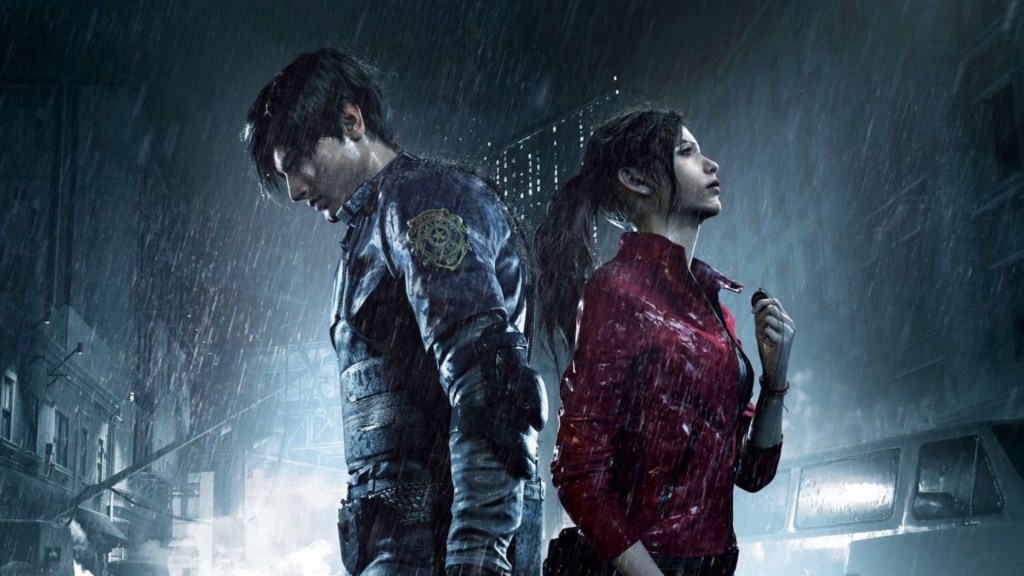
The decision to entrust a high-profile intellectual property like Resident Evil to Cregger is a calculated move that reflects the director’s meteoric rise within the horror community. Cregger first gained international prominence with Barbarian, a film that demonstrated a mastery of subverting audience expectations through expertly paced tension and jarring narrative shifts. He effectively followed this success with Weapons, a horror movie that reached even higher levels of critical acclaim and commercial viability. That project grossed an impressive $270 million against a modest $38 million budget, solidifying Cregger’s reputation as a filmmaker who understands the fundamental mechanics of fear. By giving him the autonomy to utilize his specific style, the studio is moving away from the committee-led approach that frequently results in generic and uninspired blockbusters.

Furthermore, this emphasis on creative freedom allows Resident Evil to escape the trap of lore-mashing that hindered previous adaptations. By creating an original story that functions as his version of an origin tale, Cregger can focus on the “game-feel”—the sense of claustrophobia and resource scarcity—without the burden of including every fan-favorite character. This approach mirrors the success seen in other modern adaptations like Prime Video’s Fallout, which thrived by expanding the world rather than merely retelling stories players have already experienced.
Resident Evil is scheduled to be released in theaters on September 18th.
Do you think an original story is the best way to save the Resident Evil movie franchise? Leave a comment below and join the conversation now in the ComicBook Forum!
Most Viewed
-
Image courtesy of Amazon MGM Studios -

Image Courtesy of MAPPA -

Image courtesy of Tor Books/Macmillan