Life at DC Studios isn’t all sunshine and rainbows. James Gunn frequently posts about the challenges that come with running a superhero franchise, such as knowing which projects to greenlight and which ones to abandon. However, from the outside looking in, the toughest challenge for the co-CEO thus far has been casting. David Corenswet wasn’t even really on Gunn’s radar for the role of Superman until he saw him in Pearl, and all the other actors he had ahead of him on the wish list slowly fell by the wayside. What Gunn always has to be open to is doing something different than what’s come before, as most of the major characters in the DC Universe have appeared in live-action before.
Videos by ComicBook.com
While the movies are to blame for most of that, with the DC Extended Universe focusing on the Justice League and the Suicide Squad, there’s another franchise that’s hard to ignore: the Arrowverse. Despite being off the air for a couple of years, many fans still cling to The CW’s shows, rewatching them repeatedly on streaming services. And there’s one series that Gunn and his team will have an especially hard time getting people to forget about because, 11 years ago today, it changed everything.
The Arrowverse’s Second Show Started With a Bang
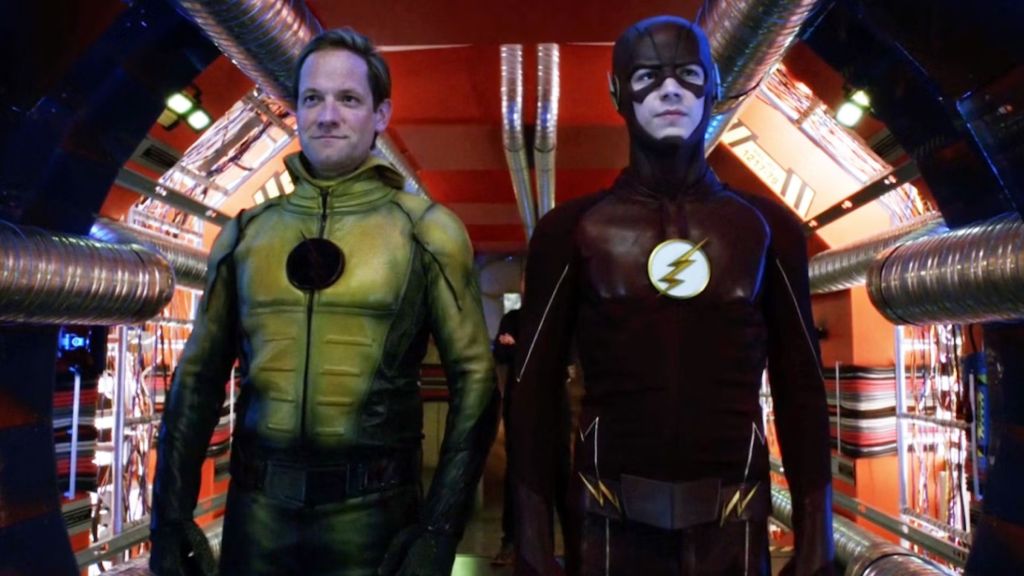
On October 7, 2014, The CW finally followed up on its major reveal from Season 2 of Arrow. In The Flash’s first episode, Barry Allen wakes up in S.T.A.R. Labs after being in a coma for months. The lightning that struck him should’ve killed him, but instead, it changed him, giving him incredible abilities. Barry has been searching for the impossible his entire life, so when he starts running down evil metahumans and protecting the citizens of Central City, he realizes he’s closer to his goal. What could be a cheesy show about a young hero fighting crime turns into something so much more dynamic, as it starts to become clear that the answers to all of his questions have been right in front of them the whole time.
The reveal that Harrison Wells is actually Eobard Thawne, aka the Reverse-Flash, is The Flash‘s first bombshell, the one that sets the tone for the rest of the series. In Seasons 2 and 3, mystery speedsters show up in Central City, forcing Barry to once again unmask them and stop their evil plans. While it sounds like an overdone formula, the personal connections The Flash gives its titular character to his villains make for great television. It’s only after The Flash tries to pivot too hard in the other direction that it starts to lose its way. Fortunately, Gunn and Co. have all the information about what works and what doesn’t work when it comes to the Scarlet Speedster. They can take all that and ensure that, instead of trying to beat The Flash, they build on what it achieved.

The DCU Just Needs to Do Its Own Thing With The Flash

The first obstacle that Gunn is going to find when working on his version of Flash is finding the right actor. Grant Gustin, despite being labeled as a TV actor, delivers knockout performance after knockout performance in his show, perfectly conveying the weight a hero must carry when choosing between doing the right thing and the thing they want to do. To avoid any comparisons to Gustin, Gunn could opt to explore Wally West’s story instead of Barry’s. After all, Wally doesn’t get nearly as much to do in the Arrowverse as his mentor, even leaving the show for extended periods to find himself.
With Wally in the fray, the next move would be to focus on the Rogues rather than evil speedsters. Captain Cold and Heatwave are, of course, two of the Arrowverse’s most important characters, but their best moments come when they’re fighting alongside the Legends, not being a thorn in The Flash’s side. There are other factors to consider, and maybe Gunn won’t care about taking a page out of the Arrowverse’s playbook. However, overlooking a show as good as The Flash, despite its faults, could be a dangerous move for a franchise that’s trying to push back against the idea of superhero fatigue.
What do you think? Leave a comment below and join the conversation now in the ComicBook Forum!
Most Viewed
-

Image courtesy of Netflix -

Image Courtesy of Netflix -
2025's The Game Awards logo with 2014-2024 written below. -

Image Courtesy of Devolver Digital -
Image Courtesy of Netflix