Some Sci-Fi shows are lucky enough to run for years, or even decades, becoming franchises that spawn multiple iterations, like Star Trek and Doctor Who. Some run what could be considered the perfect amount of time, being brilliant from beginning to end, like The Expanse. And some series don’t even need that long to be memorable – but it isn’t always their choice. There’s not much worse than falling in love with a show only to see it cancelled, and while there are plenty within the genre that are worth being frustrated about, there’s an obvious #1 pick for the most egregious cancellation in Sci-Fi history.
Videos by ComicBook.com
Yes, I’m talking about Firefly, one of the best single-season shows of any genre, but also one that deserved so much more. Joss Whedon’s series follows the crew of the starship Serenity, led by Nathan Fillion’s Captain Malcolm Reynolds, in the year 2517. Earth has long been left behind, but the United States and China survived as superpowers, forming an Alliance and a new world order, with the crew operating in the shadows and on the fringes of that.
The show perfectly blends the Western and Sci-Fi genres: with the dry, dusty landscapes, grit, and gunslinging of the former, and the fantastical world and new-age technology of the latter, but crucially with societal and political issues that still reflected the modern day, using the genre trappings as a lens against the real world. With razor-sharp dialogue, complex characters, space exploration, and muddled morality, it stands as one of the best single seasons of science fiction ever made, and yet never got the chance to grow beyond that, for reasons that could have been avoided.
Why Was Firefly Cancelled After Just One Season?
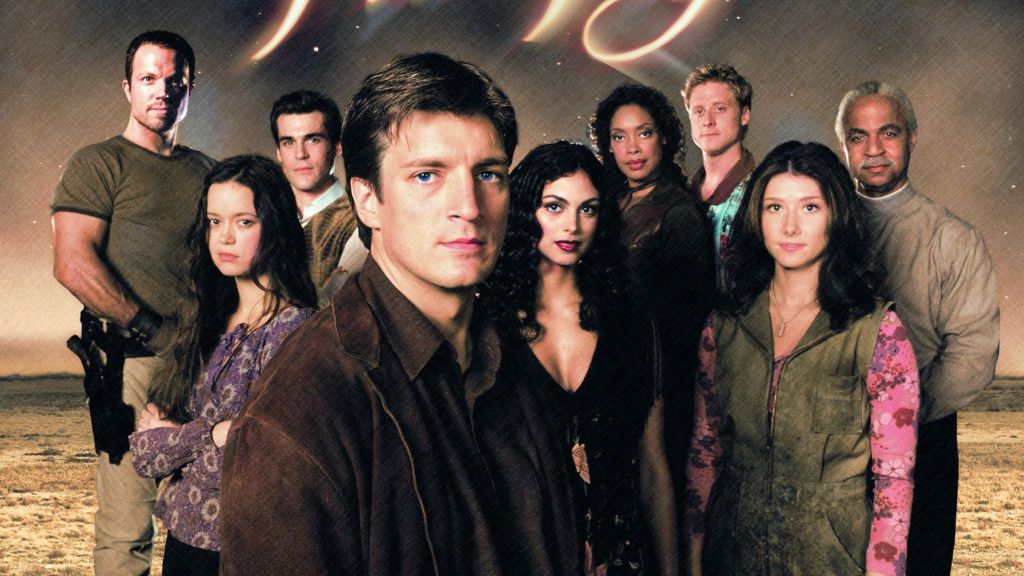
Fox cancelled Firefly in December 2002, before the first season had even been aired in full, but the network was the maker of its own misery when it came to the show. Although Whedon was a hot commodity coming off the success of Buffy the Vampire Slayer and Angel, it clearly didn’t know exactly what it had on its hands with this series, nor how to sell it to people.
It aired the show in a difficult Friday slot, and occasionally moved it around or dropped it altogether for other events. It tried to market the series more as an action-heavy show with comedy elements, which, while it has them, isn’t a fair reflection of what it’s really about, nor its core strengths in terms of its characters. And most egregiously, it aired episodes out of order. The intended pilot, “Serenity,” which provided a proper introduction to the characters and world, was deemed unsuitable as a launchpad. Consequently, a new episode was ordered to better hook viewers (spoiler: it didn’t work).

Only 11 of the show’s 14 episodes were ultimately broadcast, and due to its low ratings – which, again, were because of how Fox handled the series – it was cancelled. That meant Firefly didn’t get room to grow, didn’t get a real season finale, and didn’t get the network support that might have turned this into a long-running genre classic.
And yet, the legacy of Firefly is defined not by how it ended, but by how its fans refused to let it go. The series’ post-cancellation revival through word of mouth and home media was so strong that it ultimately led to Serenity, one of the rare instances of a cancelled show being resurrected as a feature film, which at least gave it a chance to go out on its own terms, while there was a comics continuation as well. It still has a very dedicated fanbase, a cast who’ll always be asked about a potential reboot, and, despite just 14 episodes, stands as an all-time great Sci-Fi show.
Firefly is available to stream on Hulu.
What do you think? Leave a comment below and join the conversation now in the ComicBook Forum!
More TV Shows
-

Image Courtesy of DC Comics -

Image Courtesy of 20th Television Animation -
Courtesy of 20th Television Animation