One of the main shows that has helped Apple TV become one of the premier destinations for science fiction fans has been there from the beginning: the alternate history show For All Mankind. Having just wrapped up its fifth season, the Apple TV hit has been exploring a distinct world where science has been at the forefront of global politics, but the show’s scope has grown beyond Earth as the story has evolved. The story hasn’t ended, though, with Apple TV rolling out its first-ever spinoff series in Star City, a show set in the For All Mankind universe but telling the story from the side of the Soviet space program rather than America’s astronauts and NASA.
Videos by ComicBook.com
Since Star City premiered, it has been the perfect kind of spinoff show, one that exists in conversation with the series that it spun out of. Even the opening scene is the same opening as For All Mankind, showing the Russian space program’s reaction to cosmonaut Alexei Leonov becoming the first person to step on the moon. In that moment, the series shows the pride and triumph of the Soviets after their achievement, but also the intense tonal disparity between Star City and For All Mankind. The most recent episode of the series, though, answered a question that fans of For All Mankind may not have even realized was still lingering, one that was critical for the first season and the series as a whole.

Star City Just Explained a Big Piece of For All Mankind Lore
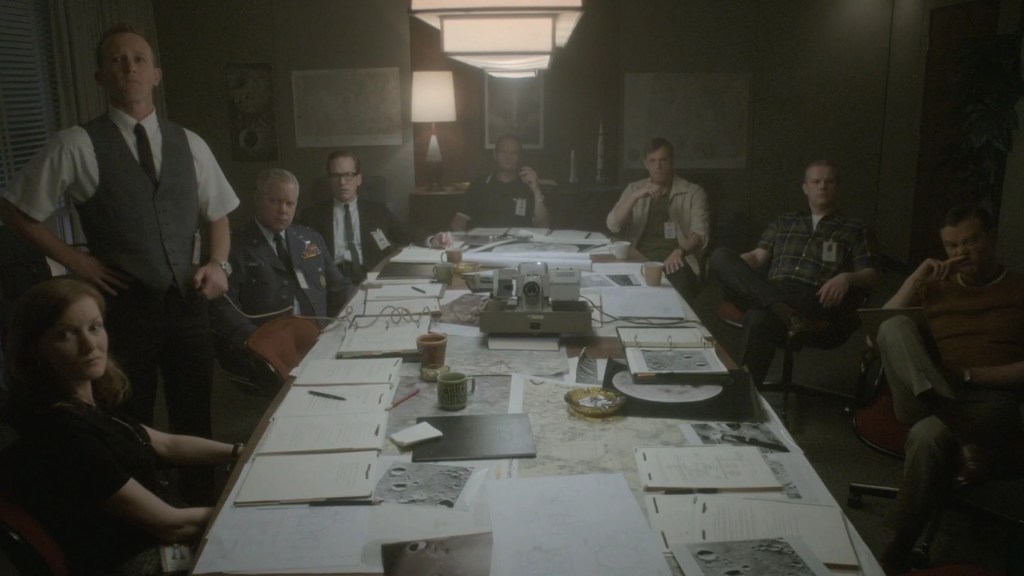
In For All Mankind Season 1, Episode 4, a major reveal takes NASA and the astronauts on the team by surprise. In the scene, Gene Kranz, the flight director for NASA’s Apollo program, reveals that their satellites have obtained surprising photographs from the lunar surface, which confirm two things: that they’ve spotted a crash site on the moon that the Soviets have not previously disclosed (with at least one Cosmonaut dead), but also that the crash site indicates pressurized modules were on board.
This moment is a big one in the For All Mankind timeline, because it not only makes the NASA team realize that once again the Soviets are two steps ahead of them, but it kickstarts a major fire at NASA in order for them to establish a lunar base and give the United States a “win” against the Soviets (and to make President Nixon look good in an election year). What NASA surmises from the crash site is that the Soviets were deliberately trying to land somewhere near water on the moon. What we know from Star City, though, is both how right and wrong NASA was in this moment.
Star City‘s latest episode shows the Soviet perspective of this moment, delivering a harrowing space mission. In the episode, the Luna 17 mission is, as NASA suspected in For All Mankind, meant to establish a base on the moon. As established in the previous episode of Star City, we know that the Soviets were also being pressured by their government to get a lunar base going, prompting the idea for an inflatable system of rooms and pods, which was revealed to be the idea of none other than Sergei Nikulov.
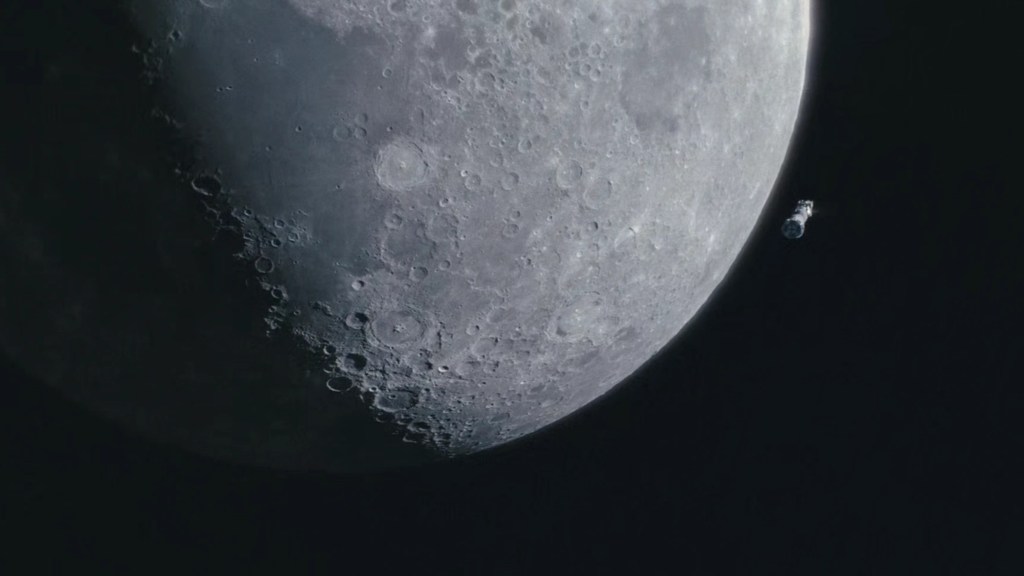
What the episode reveals, though, is that the crash was both accidental and that the landing site of the module and the cosmonaut’s body didn’t land at a specific place. A key element of the fact that Luna 17 failed and cosmonaut Arseni Vetrov lost his life is when the Soviets learn that there is a frequency broadcasting from their ship that appears to be for the Americans, suspecting espionage by their biggest rivals, the Soviets force the team to reboot the entire system on the module.
The trouble is that when it comes time to land, a piece of the planned lunar base extends from the lander too early, forcing Sasha Polivanov to think on his feet. Though he succeeds in re-establishing control of the ship, it results in the module being ripped from the ship, killing Vetrov and sending both his remains and the module crashing onto the moon.
Star City Will Continue to Evolve the For All Mankind Narrative
There’s another key piece of this Star City episode that will clearly come back around and align with For All Mankind: the worry about espionage. The episode reveals that not only are the Soviets aware there is a mole in Star City feeding information to the Americans, but they tell us who it is, confirming Valya Mironov planted the transmitter on Luna 17 and has been the mole.
Though the hunt for the mole in Star City will no doubt linger throughout the first season of the show, it’s not too far-fetched to imagine that a Soviet ship being bugged by an American spy clearly sets the stage for a big reveal in For All Mankind Season 2, when the Jamestown base is revealed to have a Soviet transmitter embedded in it, clearly placed by Mikhail Vasiliev after Ed Baldwin departed the moon to return to Earth. At the time, Vasiliev’s implied placement of a listening device on Jamestown is framed as the crafty Soviets getting an edge on America, but Star City is poised to reveal it was a retaliatory action.
What’s so distinct about this episode in Star City is twofold; the first is what really happened in this moment for the Soviet space program, and the second is how much this clear accident influenced all the moves of NASA for years, including future seasons of the flagship series. Thinking about that as a whole, it’s not only clear how Star City will fit into the tableau of For All Mankind as a franchise but how it will retroactively make the audience rethink story details and moments from the original show.
Even though For All Mankind has made a habit of leaping ahead into a new decade with each new season, the team behind Star City has confirmed that this prequel-spinoff will instead continue to live in the era that it started, largely focusing on the ’70s story of the Soviet space program. As a result, Star City will continue to not only fill in major gaps within the larger narrative of the universe of For All Mankind but also answer questions that fans didn’t even know they had.
More TV Shows
-

Courtesy of Adult Swim -

Disney Television Animation