In a more surprising and disappointing moment in recent Star Wars history, Disney elected not to move forward with The Acolyte, leaving a story that was very much meant to continue with nothing but loose ends and disappointed fans. There are fair criticisms that the series should have been a movie, either a standalone or the start of a new trilogy, and that filming it episodically was entirely too expensive, and the short runtime meant it was harder for it to gain a large enough fanbase. But was that the biggest issue? It was some of the most unique IP to come from Star Wars since Lucasfilm’s acquisition by the Mouse, hinting at a darker story than we even got from Andor—easily the franchise’s darkest story to date.
Videos by ComicBook.com
And while The Acolyte wouldn’t place its entire focus on the political implications of the universe but instead on a potential fall to the dark side, it would have taken the blueprint left by the doomed storylines of Ben Solo and Rey in the destined-to-fail sequel trilogy and run with them, creating something entirely unique—something that seems to have scared Disney too much to commit to entirely: the spotlighting of the Jedi not as the saviors audiences have come to view them as, but as “a massive system of unchecked power, posing as a religion, a delusional cult that claims to control the uncontrollable.”
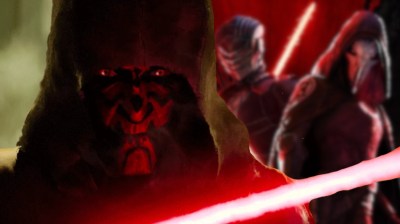
They Couldn’t Have a Charitable Glow Cast on the Sith
There’s always been a quieter subset of the fandom that found the Jedi exactly as Senator Rayencourt described them above. And while it’s not an idea that ever got any mainstream pull amongst fans (though it did get a glimmer of traction in Rian Johnson’s The Last Jedi), it’s one that’s endured since the prequels first released in 1999. An even smaller subset has always been more intrigued by the Sith, whose creed felt more attainable for mere mortals—or at least more interesting: “Peace is a lie. There is only Passion. Through Passion, I gain Strength. Through Strength, I gain Power. Through Power, I gain Victory. Through Victory, my chains are broken. The Force shall free me.”
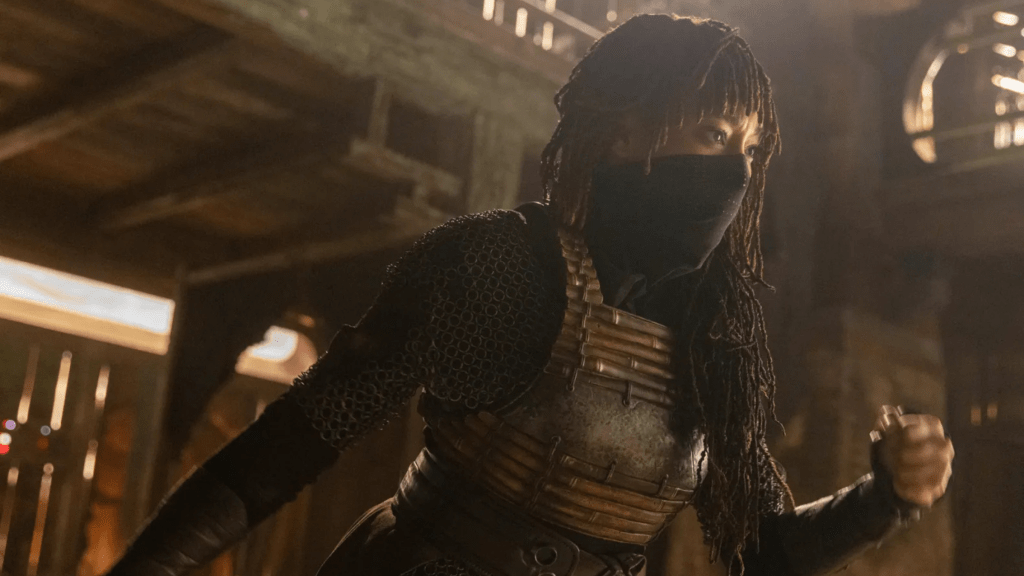
Combine the vocalized thoughts about the Jedi of one of the main characters, the slowly growing group of fans that would prefer a story that focused more on the dark side, or at least, a more morally gray side, and the romantic tension that was front and center between the two main characters, and viewers were becoming more sympathetic to a story that cast the Sith as not these shadowy figures to be reviled, but real people, with deep, nuanced stories—some of whom are worthy of both affection and attraction. It paints a very alluring picture, but of the wrong people, people that Disney didn’t feel that they could reward with anything more pleasant than tragedy and still appeal to the widest audience possible.
The Acolyte Wasn’t Perfect, But It Was the Tonal Change Star Wars Needed
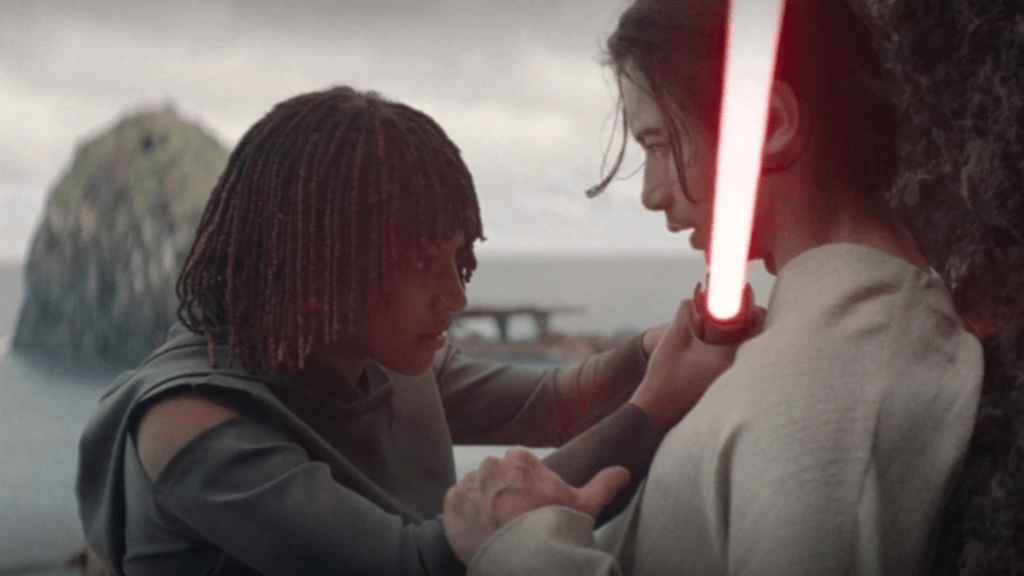
The plot was thin in places. It was too expensive. It wasn’t marketed particularly well, especially when it came to merch. But The Acolyte was an entirely different kind of story from what Star Wars had attempted before, with a darker, distinctly more adult edge that simply wasn’t handled properly in the format audiences were given. It took the core tenet of the Jedi code, the very same one that had Anakin falling to the dark side, and ramped it up to 100, leaving Osha desperate for any attachment she could find. Enter Qimir, the person responsible for so much of her pain, but also willing to be vulnerable and, more importantly, form those same attachments she craved so deeply. It had forbidden romance written all over it, and for those who enjoy that, but were deprived of the true romance they deserved between Rey and Ben, it seemed like a dream come true—especially with the insane chemistry that Amandla Stenburg and Manny Jacinto had throughout.
A series that focused on how the Jedi code could fail people, and the fallout of taking in children while refusing to truly love them, while exploring what a romance amid political upheaval and a fall to the dark side has literally endless potential. And while not for Jedi purists, it would have appealed to a part of fandom that had yet to be appealed to, all while bringing in fans who had always felt that they either didn’t vibe with Star Wars as a whole or wanted a series with more of an edge. Disney’s fear of taking risks and highlighting a story they worried would be deemed “too dark” shot them in the foot. Changes certainly needed to be made with how future seasons moved forward, but a point-blank cancellation lost them the fans they had yet to gain—and some who had spent their entire time in the fandom quietly craving new stories. And not to mention, the cancellation also deprived us all of Darth Plagueis—the most grievous of Disney’s sins in this instance.
What are your thoughts on the cancellation of The Acolyte and the potential that more seasons would have had? Let us know in the comments. And don’t forget to keep the conversation going at the ComicBook forum.