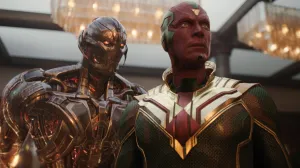
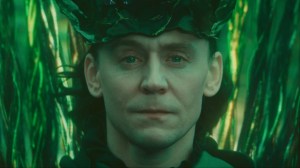
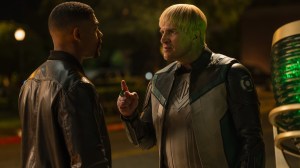
In a few weeks, HBO Max will debut a 10-part sci-fi show that will change the way you look at TV’s most divisive series. While traditional broadcasting has largely done away with the genre, opting for more grounded procedurals and comedies, both cable channels and streaming platforms have been thriving with it, releasing all sorts of creative sci-fi projects such as Apple TV+’s Silo and Foundation, Prime Video’s Fallout, and Netflix’s Stranger Things. In July, however, HBO Max is rolling out a unique sci-fi show, not because of its story, although that sounds interesting, but because of the larger franchise it exists in.
Videos by ComicBook.com
Warner Bros.’ streaming service will debut Stuart Fails to Save the Universe in a few weeks. Marking the reunion project of Chuck Lorre and Bill Prady (and with the involvement of Zak Penn), the series will see Kevin Sussman return as Stuart Bloom — The Big Bang Theory‘s beloved comic book store owner and most prominent supporting cast member. Joining him is a group of familiar faces from the CBS series, such as Lauren Lapkus’ Denise, Brian Posehn’s Bert Kibbler, and John Ross Bowie’s Barry Kripke, as they go on a multiversal adventure to save reality. Stuart Fails to Save the Universe is unlike anything that The Big Bang Theory franchise has ever put out, as it fully commits to the sci-fi genre.
Based on what’s known about the project, Stuart Fails to Save the Universe will break several The Big Bang Theory rules. For starters, it will be on streaming instead of CBS. For almost two decades, Lorre and Prady’s comedies existed on the network, with Young Sheldon and now, Georgie & Mandy’s First Marriage keeping it alive seven years after The Big Bang Theory ended in 2019. It will also be the first time that an installment won’t be about Sheldon or his family, while being the first spinoff set in modern times. Finally, and perhaps the most important one, it can redefine The Big Bang Theory‘s legacy, which is divisive at best.
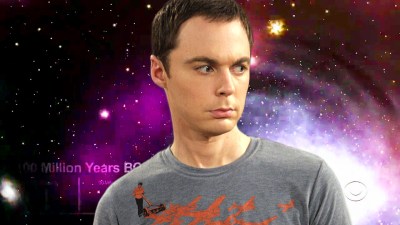
Why The Big Bang Theory Is So Divisive Despite Its Success
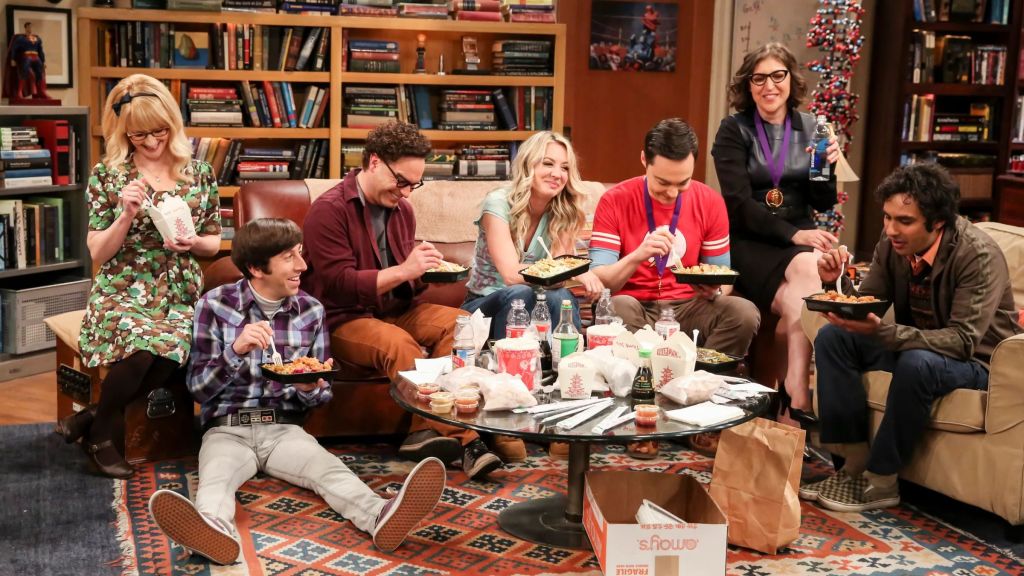
Released in 2007, The Big Bang Theory wasn’t actually an instant hit. The pilot had to be reworked after it fell flat with CBS’s studio executives, but believing that it had potential, the network wanted Lorre and Prady the chance to refine the premise. Keeping the characters of Sheldon (Jim Parsons) and Leonard (Johnny Galecki) from the original pitch, the revamped version added three more main players in Penny (Kaley Cuoco), Howard (Simon Helberg), and Raj (Kunal Nayyar), which did the trick.
The Big Bang Theory‘s main premise was fairly simple — it was about genius nerds who were also socially outcasts. Marrying science and geek culture, it came at the same time when superhero films were on the rise, bolstering its appeal to a broader audience. Coupled with easily digestible stories and unique characters, it eventually found its audience. That said, despite its success, The Big Bang Theory‘s brand of humor was often criticized for being problematic. It had the tendency to be racist, sexist, and downright offensive, especially in its earliest years.
It’s worth noting that it did mellow down in later years, and even some of the prominent figures involved in the show admitted to these issues after The Big Bang Theory ended. That being said, its accessibility via syndication and streaming platforms has made it easier to be reminded of how poorly some aspects in its first few years have aged.
Stuart Fails To Save The Universe Elevates The Big Bang Theory Franchise As A Whole

As previously mentioned, Stuart Fails to Save the Universe will be a franchise first for several reasons. Among all those, arguably the most intriguing one is how creative its story is. Unlike its predecessors, which are pretty grounded shows, Lorre and Prady’s upcoming series will be doing something very different by tackling alternate realities while Stuart and his tribe attempt to save it. The Big Bang Theory, Young Sheldon, and Georgie & Mandy’s First Marriage are all easily digestible shows, which is part of its appeal, but the new series demands more from its audience, as it tackles more complicated concepts.
If Stuart Fails to Save the Universe nails the execution of its ambitious narrative, it will evolve the storytelling in The Big Bang Theory franchise. It will open more opportunities for the creative team behind the universe to be bolder when deciding what concepts to tackle and genres to do next. Stuart Fails to Save the Universe can prove that Lorre and Prady can do more than just straightforward comedy. They can also switch genres and still provide the same kind of laughs, if not better ones.
Stuart Fails to Save the Universe drops all 10 episodes on July 23, 2026, on HBO Max.
What do you think? Leave a comment below and join the conversation now in the ComicBook Forum!