With its acquisition of Warner Bros., Netflix has officially won streaming’s fantasy race — and that’s bad news for the genre overall. Since the success of Game of Thrones, streamers and studios have been scrambling to find the next fantasy sensation. The quest to produce a Game of Thrones‘ replacement has led to competition among the biggest companies in Hollywood, but thus far, nothing has stuck in quite the same way. Instead, streamers have seen varying degrees of success with their fantasy titles, with some platforms faring just slightly better than others. However, it appears the fantasy race is finally over; Netflix now has everything it needs to dominate the category.
Videos by ComicBook.com
This is because Netflix is buying Warner Bros., meaning the company is laying claim to all the IPs under the movie studio’s and HBO’s umbrellas. There are many reasons to be wary of Netflix’s purchase, which shakes up numerous properties, including DC Comics and the DCU. The deal isn’t done yet; Paramount has made a $108 billion hostile takeover bid, and Netflix is subject to regulatory and shareholder approvals before moving forward. However, if the merger goes through, Netflix will have an unbeatable fantasy roster. That’s great news for the company, but it’s less promising for the genre’s future on-screen.
After the Warner Bros. Deal, All the Major Fantasy Franchises Will Fall to Netflix
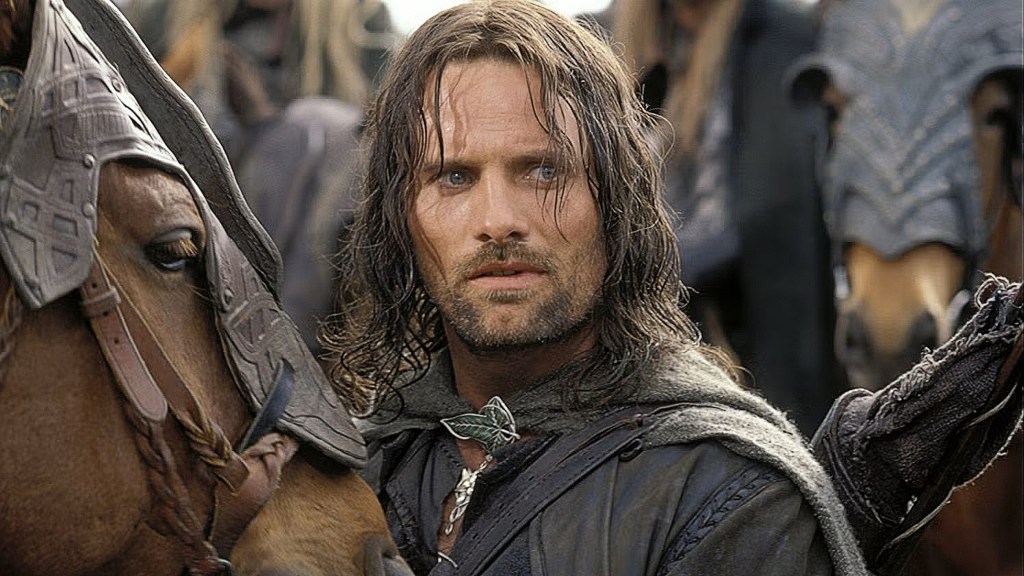
One of the biggest concerns to emerge from Netflix’s Warner Bros. deal is that the streamer will now have the rights to every major fantasy franchise. The three largest IPs fall under the Warner Bros. umbrella: The Lord of the Rings, Game of Thrones, and Harry Potter. These properties will transfer over to Netflix if the deal holds. Considering the streamer already has its hands in screen adaptations of The Chronicles of Narnia, The Witcher, and Dungeons & Dragons, that’s… concerning, to say the least.

It certainly puts the question of which streamer will win the fantasy race to rest, as there’s not much that could realistically compete against such a lineup. Sure, Disney+ has Percy Jackson & the Olympians, AMC has Anne Rice’s Immortal Universe, and Prime Video has The Rings of Power and its Critical Role shows. Unfortunately, The Rings of Power is too divisive, and none of the others is large enough to contend with such massive fantasy properties on its own. Having those IPs all in one place may not seem like an issue on the surface, but it’s likely to result in less creativity and more disappointment for fans.
Netflix’s Track Record With Fantasy Doesn’t Inspire Confidence in Its Future
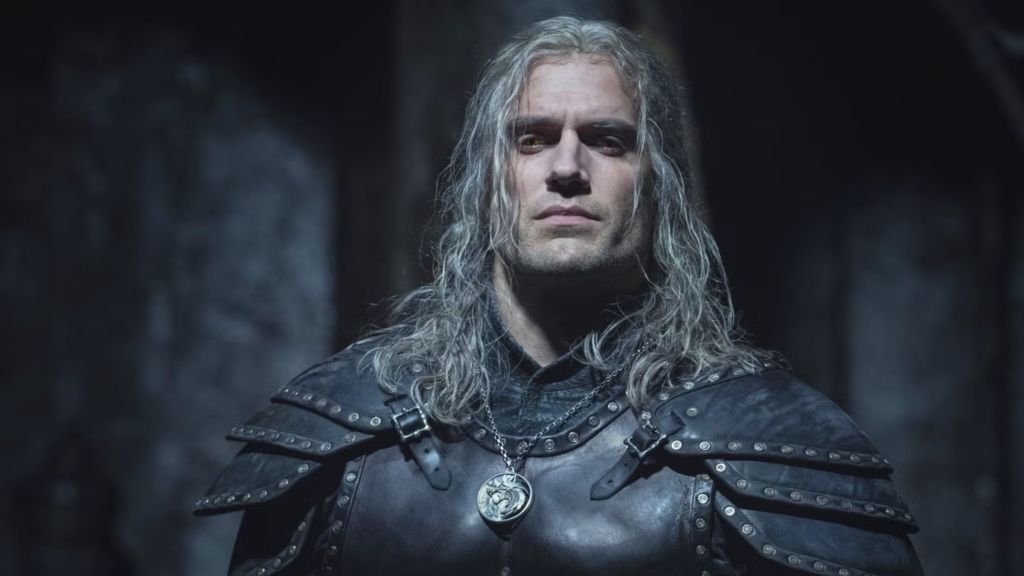
Perhaps the most worrisome aspect of Netflix gaining access to so many fantasy properties is that the streamer has given us no indication that it knows what to do with them. Fantasy is notoriously difficult to get right on-screen, but Netflix has a particularly bad track record when it comes to the genre. Its biggest fantasy franchise is currently The Witcher, a show plagued by backlash from its target audience and declining viewership numbers. While the production quality and performances are up to par, it fails to stay faithful to Andrzej Sapkowski’s books. Given that many of Netflix’s newly acquired IPs are based on preexisting stories, that’s not ideal.
Of course, The Witcher is at least seeing its story through to the end. That’s more than most fantasy series on Netflix can say, as the streamer has canceled some of its most promising titles after just one or two seasons. Shadow and Bone is the most frustrating example, as the company poured so many resources into its first season. It seemed destined to be Netflix’s foothold in the fantasy race, but then, the streamer barely batted an eye before axing it after Season 2. Shows like Lockwood & Co., Warrior Nun, Kaos, and Cursed all met similar fates. This raises questions about whether the Harry Potter remake or future Game of Thrones spinoffs will even get complete runs. They could end prematurely if Netflix deems them too expensive to be worthwhile. This thinking could also prevent future storytelling in these worlds, stopping these franchises from expanding.
Less Competition Will Hurt the Major Fantasy IPs, but There’s a Silver Lining
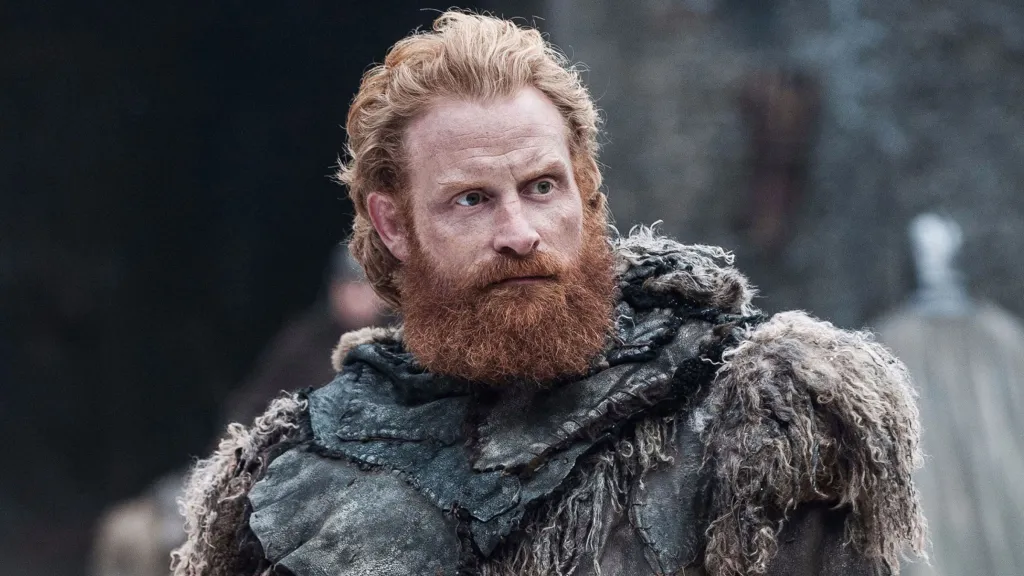
Given its history with the genre, handing Netflix the reins to so many fantasy franchises is questionable — but so is having so many IPs under one company in the first place. Although the competition to release the “next Game of Thrones” felt misguided at times, it forced streamers to innovate and set their projects apart from one another. With Netflix controlling so many series and films, there won’t be as much urgency to tell fresh stories. Additionally, there could be less desire to put out fantasy titles at all, since Netflix will no longer have to worry about HBO Max luring away subscribers with Harry Potter and Game of Thrones.
There is one potential silver lining: this may force competitors to seek out new IPs in order to keep up with Netflix’s offerings. Many exciting fantasy projects are green-lit, only to remain in development hell and be scrapped later, but these could be the answer to Netflix’s lineup going forward. For example, studios or streamers could adapt Brandon Sanderson’s Cosmere or TikTok sensations like A Court of Thorns & Roses and Fourth Wing in the hopes of establishing new blockbuster franchises. (Indeed, Prime Video is already pursuing Fourth Wing, and this could make the show a larger priority.)
Of course, this will only happen if competitors consider it worthwhile — and that’s a big if. They could just as easily deem new fantasy projects a lost cause, shifting their sights to other genres, like sci-fi and horror, instead. That’s already starting to happen, with Apple TV opting to pursue sci-fi hits while its competitors are still playing the fantasy game. It would be a shame if Netflix’s Warner Bros. merger led to fewer exciting releases, but it seems like the inevitable outcome of any company dominating one category so heavily.
What do you think? Leave a comment below and join the conversation now in the ComicBook Forum!
Most Viewed
-
Image Courtesy of Marvel Comics