Batman: The Animated Series represents the pinnacle of DC’s efforts to translate its comic book icons into a different medium. While many productions struggle to balance the demands of action with the nuances of character growth, the animated series thrived by leaning into a sophisticated noir aesthetic and mature storytelling. Furthermore, instead of merely recounting existing lore, Batman: The Animated Series actively expanded the boundaries of the Dark Knight mythos by introducing legendary figures like Harley Quinn (voiced by Arleen Sorkin) and fundamentally reinventing others, such as Mr. Freeze (voiced by Michael Ansara). This commitment to narrative complexity was unheard of for a children’s television program in the early 1990s. One specific scene in the two-part episode “Robin’s Reckoning” serves as the perfect distillation of this philosophy, underlining why Batman: The Animated Series remains a timeless classic.
Videos by ComicBook.com
The two-part episode “Robin’s Reckoning” delves into the origin of Dick Grayson (voiced by Loren Lester) and his transition from an orphaned acrobat to the Boy Wonder. The narrative shifts between a modern hunt for the man who murdered Dick’s parents and the flashbacks of his arrival at Wayne Manor. The emotional anchor of the story is an intimate exchange between Dick and Bruce Wayne (voiced by Kevin Conroy) shortly after the tragedy at the circus. As the boy grapples with his grief, Bruce admits that he feels the same way. They both wonder if they could have changed the outcome of their respective fatal night, blaming themselves for their parents’ demise.
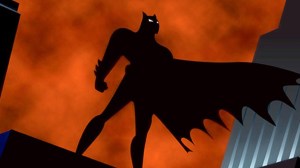
In the episode, when Dick asks if the pain will ever go away, Bruce provides a chillingly honest answer. He tells the boy that it gets easier in time “for you.” This dialogue reveals the depth of Bruce’s self-inflicted isolation. Bruce believes that while Dick can heal and find a future, he is permanently shackled to the memory of the alley. This guilt serves as the primary engine for his crusade as Batman, while also informing his rigid moral code. By wanting a better life for Dick, Bruce demonstrates his belief in the possibility of healing and redemption. This optimism is the foundation of his refusal to kill, as he views life as an opportunity for individuals to transcend their past mistakes and become better people. In short, in a single scene, “Robin’s Reckoning” explains the dramatic appeal of Batman, his relationship to Dick Grayson, and the trauma that haunts him.
Batman: The Animated Series Quiet Moments Are Unparalleled

The enduring legacy of Batman: The Animated Series as the definitive adaptation of the Dark Knight rests on its willingness to embrace silence and stillness. Most superhero media prioritizes high-octane spectacle over internal reflection, but this series gives its protagonists the necessary room to breathe and process their trauma. The honest exchange in “Robin’s Reckoning” is not an outlier, as the show and the subsequent DC Animated Universe productions are filled with wonderful examples of introspection. The writers understood that the audience deserved respect regardless of age. By treating children as capable of following layered narratives filled with heavy emotional stakes, the creative team bypassed the condescension often found in other family-friendly animations of the era. This approach was unprecedented at the time and remains a rarity today.
Of course, Batman: The Animated Series‘ ability to take such risks was the result of a unique confluence of factors. The massive commercial success of Batman, directed by Tim Burton, convinced Warner Bros. that the character was a financial juggernaut. Consequently, the animation department received a significant budget and a level of creative freedom that allowed producers Bruce Timm and Eric Radomski to ignore traditional television tropes. As a result, they dared to build a world that felt dangerous and moody, which eventually led the series to become a groundbreaking achievement in the medium. Batman: The Animated Series stands as a permanent reminder that artistic quality is often the direct result of a studio trusting its creators to execute a singular vision. When a project is not micromanaged by executives or watered down for the sake of perceived accessibility, it has the potential to redefine a genre.
What scene from Batman: The Animated Series is your favorite? Leave a comment below and join the conversation now in the ComicBook Forum!
Most Viewed
-
Image courtesy of Tor Books/Macmillan -

Official art by Bastien Lecouffe-Deharme