SEGA’s game library runs back to the early 1980s, and deep enough that names like Virtua Fighter and Panzer Dragoon still bring up cherished memories for anyone who owned a Genesis or Dreamcast. No SEGA game, though, ever became a real Hollywood franchise the way Sonic the Hedgehog did. The Paramount film trilogy has topped a billion dollars worldwide, with a fourth film locked for March 2027, and the spinoff Knuckles in 2024, a six-episode Paramount+ series that became the platform’s most-watched original series on release. Parallel to that, SEGA continues to develop other TV projects, such as the acclaimed Sonic Prime animated series. SEGA is now testing the waters with another adaptation, this time for Golden Axe.
Videos by ComicBook.com
The original arcade beat ’em up is getting a ten-episode animated comedy, premiering on Paramount+ on September 16 after SEGA moved the project there from Comedy Central. Created by Mike McMahan and Joe Chandler, The Golden Axe series sends Ax Battler (Liam McIntyre), Tyris Flare (Lisa Gilroy), and Gilius Thunderhead (Matthew Rhys) after the resurrected giant Death Adder, echoing the game’s main beats. If the series proves successful, SEGA will be inclined to adapt other games, and we know exactly which ones would look great in animation.
4) Altered Beast
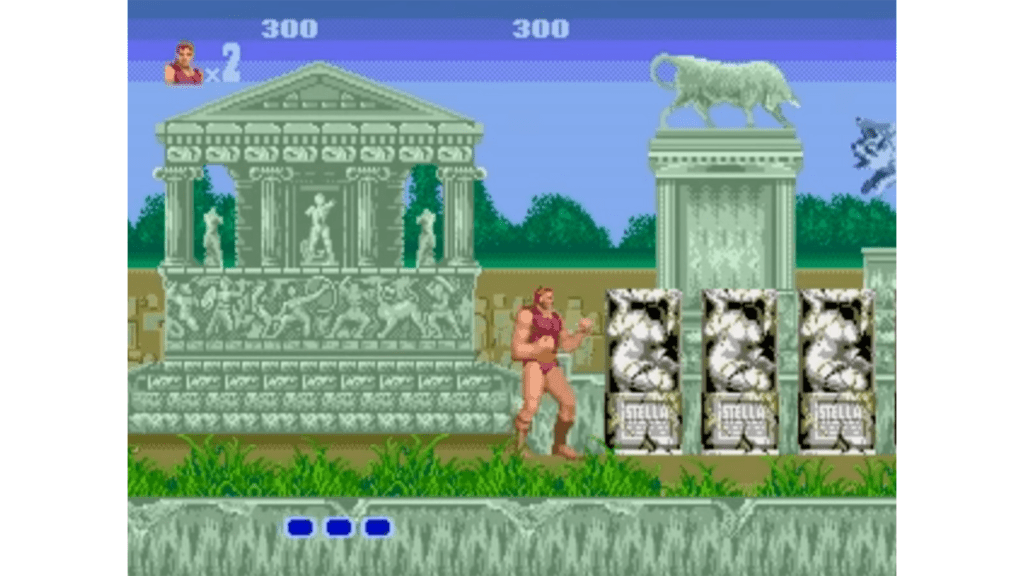
Altered Beast shares a direct lineage with Golden Axe, since both games came from designer Makoto Uchida to satiate the same appetite for mythology-soaked fantasy that made SEGA’s arcade output distinct from Nintendo’s family-friendly platformers of the era. Altered Beast opens with Zeus resurrecting a fallen Roman centurion and commanding him to rescue his daughter Athena from Neff, the demonic ruler of the underworld. The centurion collects spirit orbs across five stages to transform into a werewolf, a dragon, and other beast forms, each carrying its own attacks and abilities that the player must use to overcome the challenges of the underworld.
SEGA bundled Altered Beast with early Genesis consoles in North America and Europe, making it many players’ introduction to the system itself. An animated series could push what the original only gestured toward, expanding Neff’s underworld and the wider Greek pantheon into a season-length hunt for Athena. Each of Altered Beast‘s five stages also has its own distinct setting and final boss, running from a graveyard where the centurion first turns wolf to Neff’s stronghold in the city of Dis. An adaptation can make use of that to introduce an array of challenges that can keep the series fresh as the story progresses.
3) Comix Zone
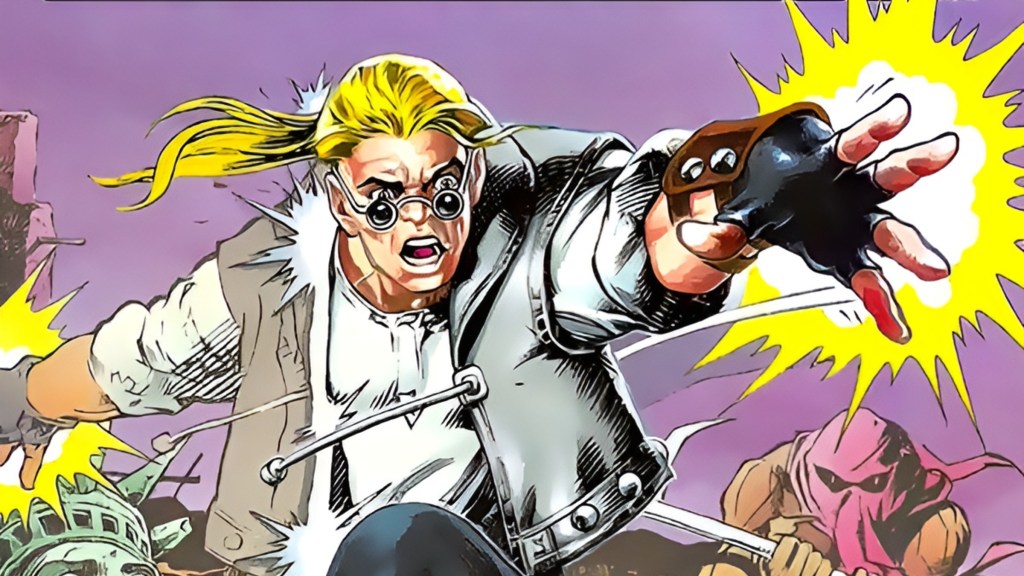
Released late in the Sega Genesis lifecycle in 1995, Comix Zone is a natural fit for an animated adaptation. The beat ’em up game follows Sketch Turner, a freelance rock musician and comic book artist who is struck by lightning and gets trapped inside his own post-apocalyptic comic. Meanwhile, the comic’s main villain, a mutant named Mortus, breaks out into the real world. Because Mortus cannot fully materialize in reality until his creator is dead, Sketch is forced to fight for his life inside the very world he drew, aided by his pet rat, Roadkill, and a fictional rebel leader named Alissa Cyan.
What makes Comix Zone perfect for television is its inherent visual framing. The original 16-bit game is literally played inside a comic layout, with Sketch physically leaping over page gutters from panel to panel, tearing through the paper background to navigate, and communicating via visible speech bubbles. Meanwhile, Mortus actively interferes from the outside world by drawing new enemies directly onto the page with a giant hand. An animated series could fully embrace this meta-narrative, using modern techniques to blend traditional comic art styles with fourth-wall-breaking action.
2) Streets of Rage
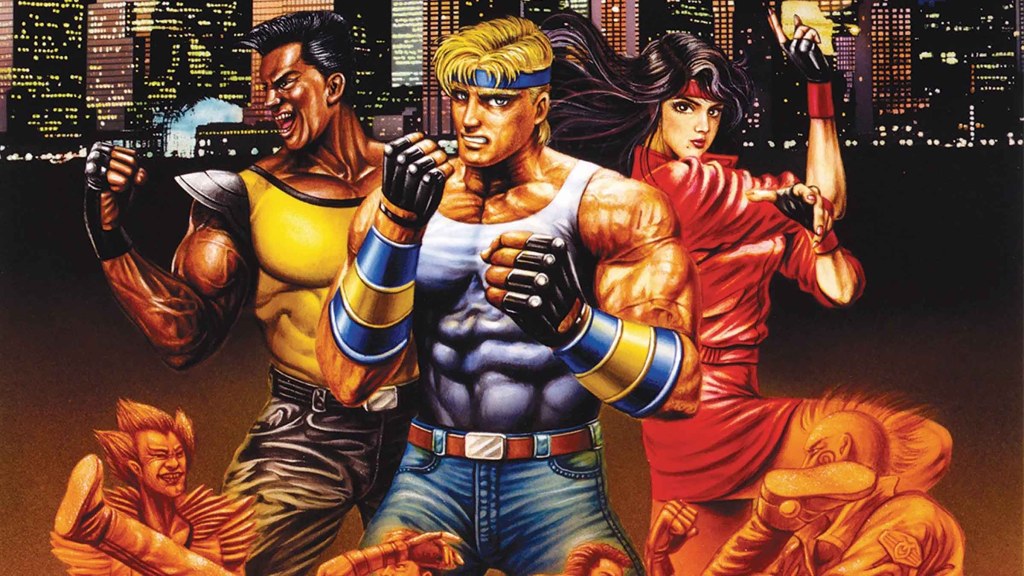
Debuting on the Sega Genesis in 1991, Streets of Rage defined the 16-bit beat ’em up era, bolstered by a highly acclaimed electronic dance soundtrack composed by Yuzo Koshiro. The original game’s plot follows three former police officers—Axel Stone, Blaze Fielding, and Adam Hunter—who resign from a corrupt police force to take the law into their own hands. Their target is a sprawling criminal syndicate controlled by the enigmatic Mr. X, who has taken over the city’s government and law enforcement.
An animated Streets of Rage adaptation could easily leverage the game’s neon-drenched 1990s urban aesthetic. Plus, the structure of the original titles, which involves the trio fighting through distinct city environments like amusement parks and industrial factories before reaching Mr. X’s high-rise headquarters, provides a clear narrative roadmap for a serialized action show. Finally, the 2020 release of Streets of Rage 4 introduced updated character designs and a distinct hand-drawn art style that already closely resembles modern 2D animation, proving the franchise translates perfectly to a non-pixelated medium.
1) Phantasy Star
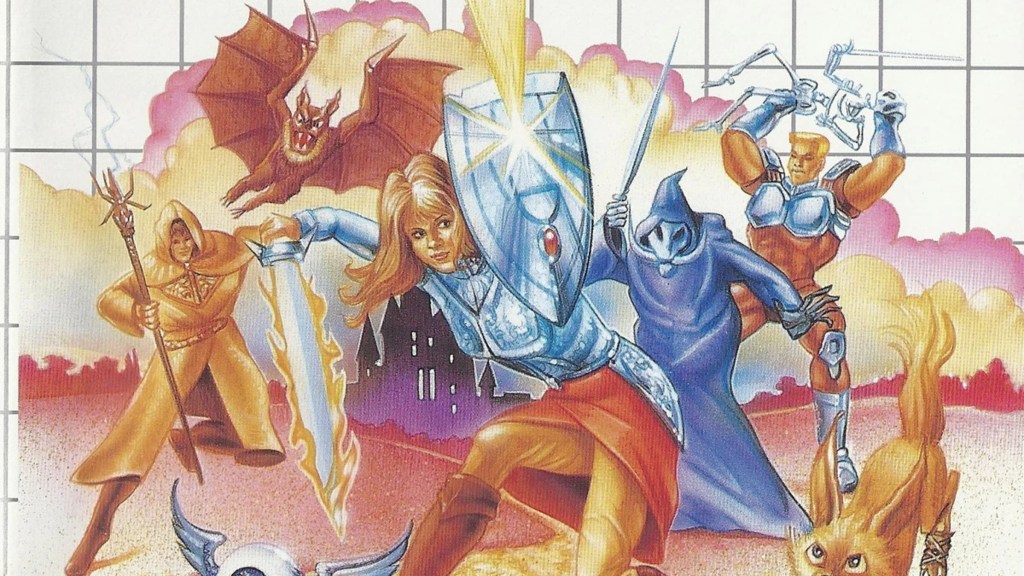
Released in 1987 for the Sega Master System, Phantasy Star is one of the earliest pioneers of the console role-playing genre and stands out for its unique blend of science fiction and high fantasy. The original game is set in the Algol Star System and follows Alis Landale, a young woman seeking revenge against the tyrannical King Lassic after he executes her brother, Nero. To overthrow Lassic, Alis must travel across three distinct planets: the lush world of Palma, the arid desert planet Motavia, and the desolate ice world Dezoris. Along the way, she recruits a diverse party that includes a musk cat named Myau and the magic-wielding esper Noah.
Phantasy Star‘s multi-planetary setting and character-driven party dynamic provide the exact ingredients needed for an animated space opera. A television adaptation would simply need to follow Alis’s canonical quest, dedicating story arcs to the exploration of each planet, the acquisition of her companions, and the overarching battle against Lassic’s regime. Furthermore, the rich lore of the Algol system offers a massive foundation for a serialized epic that wishes to dig deeper into the world beyond Alis.
More TV Shows
-
Image Courtesy of Marvel -

Image Courtesy of Marvel -

Image Courtesy of Comedy Central -

Bass X Machina S1. Brian Tyree Henry as Bass Reeves in Bass X Machina S1. Cr. Courtesy of Netflix © 2026 -

Courtesy of Netflix