Television turns over fast enough that most twentieth anniversaries land on something still in circulation, still streaming, still being recommended to somebody. That is not what happened to the animation that premiered in 2006. The year produced an unusual crop of cartoons that found small, loud audiences, ran roughly two seasons apiece, and then vanished so completely that several of them cannot be watched legally in the United States at any price, on any service, in any form. This site has already marked the year’s live-action side with four cult 2006 sci-fi shows turning twenty, a list with the luxury of choosing from series most people can still pull up on a subscription they already pay for. The animated class of 2006 is stranger than that, considerably harder to see, and in two cases effectively out of print, which is most of the reason it is worth going back to.
Videos by ComicBook.com
The four below premiered between February and November 2006 across three different networks, and they have a combined 131 episodes between them, which is not a lot for four shows running two seasons each. That is part of the point. None of them got the long tail that turns a cartoon into a franchise, the way the class of 2003 managed with Teen Titans and The Venture Bros. What they got instead was a narrower kind of afterlife, the sort built out of quoted lines and uploaded rips and people asking every few years whether it has come back yet. One of them turned directly into one of the longest-running adult animated comedies ever made. One was created by a member of a Grammy-winning hip-hop duo and has never once been rerun. They are counted down below with their episode totals, and with an honest account of where each can actually be found, which in two cases is nowhere.
4) Squirrel Boy (26 Episodes)
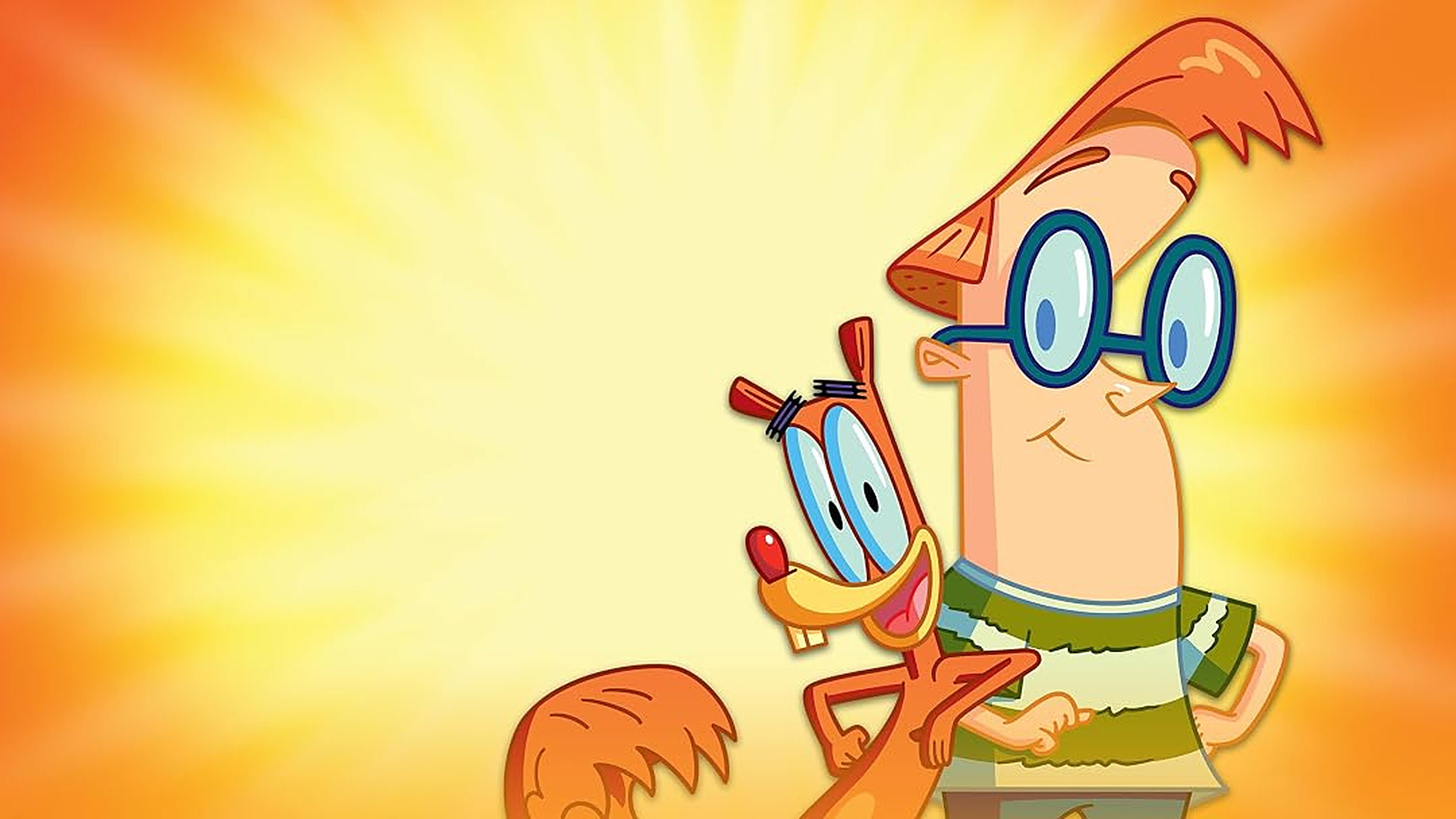
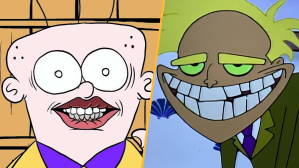
Everett Peck had already made Duckman, the USA Network series about a spectacularly unpleasant private investigator, when Cartoon Network handed him a show about a boy and his talking squirrel. Squirrel Boy previewed on May 29, 2006 and went into regular rotation that July, running 26 half-hour episodes across two seasons before it finished on September 27, 2007, with six short cartoons trailing into 2008. Peck told the animation trade press at launch that he was deliberately building the show on character and gags rather than pop culture references, which in 2006 was a conscious swim against the current at a network that had worked out how much cheaper referential humor is to write. The result looks like nothing else on that schedule, because Peck brought over the scratchy, long-limbed, faintly unpleasant design language he had used on Duckman. Nothing about the show was built to be easy to like on first contact.
The voice cast is where it gets genuinely strange for a show almost nobody remembers. Rodney J. Squirrel is Richard Steven Horvitz, who is Zim from Invader Zim. Andy is Pamela Adlon, four years ahead of Louie and a decade ahead of Better Things. Andy’s father is Kurtwood Smith, playing a suburban dad again. Tom Kenny, Billy West, Carlos Alazraqui and Mona Marshall fill out the rest, which adds up to a remarkable bench of American voice acting assembled for a series Cartoon Network then declined to rerun in any meaningful way. Peck died in June 2022 at seventy-one, and the obituaries led with Duckman, as they should have. Squirrel Boy cannot be streamed, rented or bought anywhere in the United States, while it does play perfectly happily in Australia, which is an absurd sentence to have to write about a Cartoon Network series with that cast attached to it.
3) Kappa Mikey (52 Episodes)
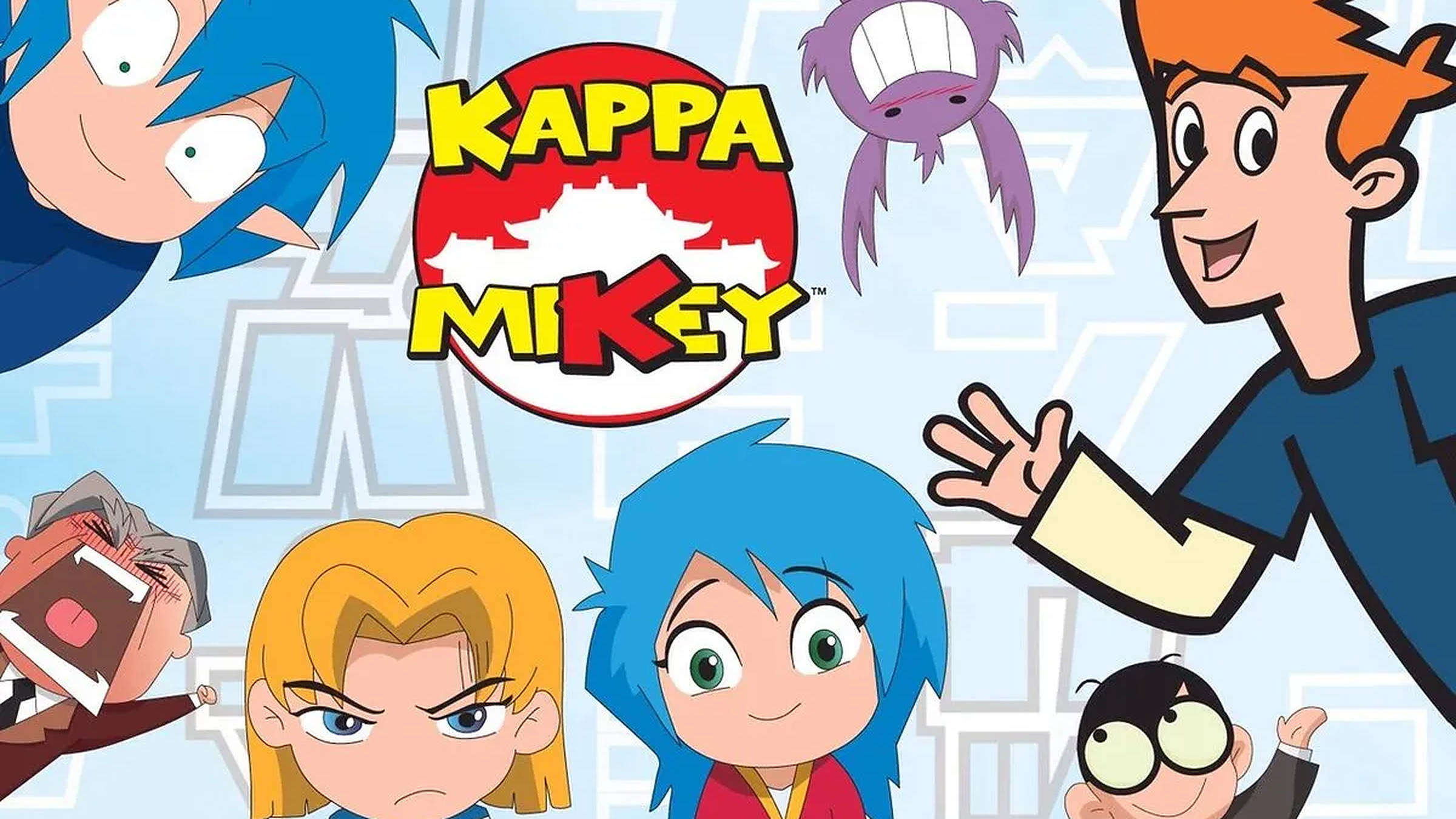
Kappa Mikey premiered on February 25, 2006 and was the first original series Nicktoons Network ever commissioned, which matters more than it sounds, because it meant the show came from Larry Schwarz’s independent New York studio Animation Collective rather than from inside Nickelodeon. The premise is a joke told entirely in the artwork. Mikey Simon, a failing American actor, wins a contest and is flown to Tokyo to star in a live-action anime series, and he is drawn throughout in flat, thick-lined Western cartoon style while every single character around him is drawn as anime. Nobody in the show ever acknowledges it. That gag has to carry two full seasons, and it does, largely because the writing treats Mikey’s obliviousness as the engine rather than the punchline. It ran 52 episodes, finished on September 20, 2008, and reruns continued on the channel until late 2010, long after anybody was making new ones.
The casting is the detail that keeps it from curdling into mockery. Mikey is Michael Sinterniklaas, who runs the dubbing house NYAV Post, and the supporting cast includes Sean Schemmel, the English voice of Goku, alongside Kether Donohue and Carrie Keranen. An anime parody performed almost entirely by people who dub anime for a living is a very different object from one made by outsiders, and the affection underneath it shows in every episode. Animation actually wrapped in September 2007, a full year before the last episodes went out, and the schedule got scrambled on the way to the door: the intended finale, an episode called Live LilyMu, was burned off in the twenty-third slot, and a different episode ended up airing last by pure accident. There is no subscription home for it in the United States, though both seasons can be bought outright on Amazon, in standard definition only.
2) Frisky Dingo (25 Episodes)
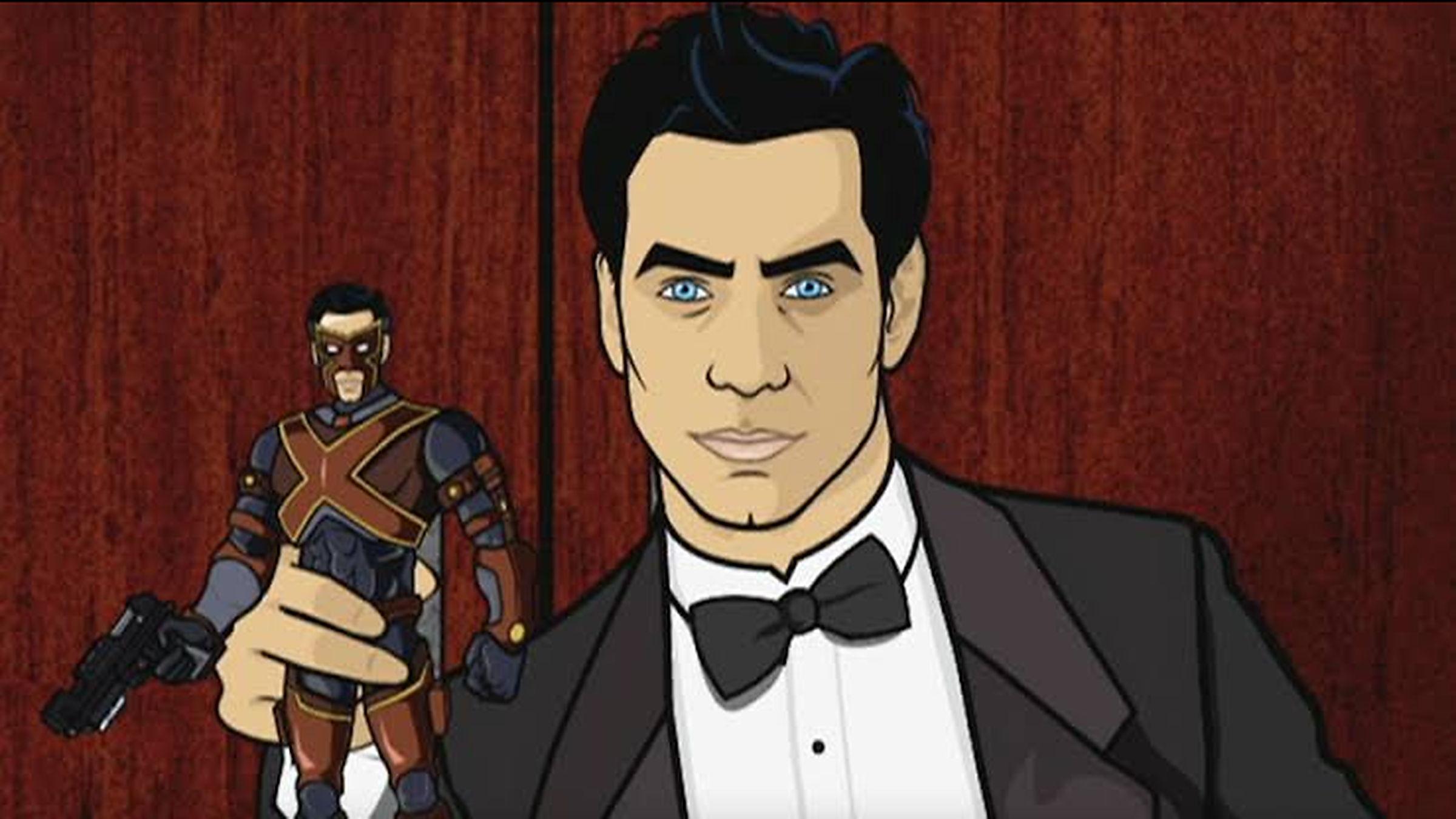
Frisky Dingo arrived on Adult Swim on October 15, 2006 and ran 25 episodes over two seasons before ending on March 23, 2008. Adam Reed and Matt Thompson built it in Atlanta around a supervillain named Killface, who is trying to destroy the Earth and cannot get anybody to take him seriously, and a billionaire superhero named Xander Crews, who has grown bored of the job. Reed voiced both of them. The comedy runs on characters talking over each other, doubling back, and losing the thread mid-sentence, which was a production method before it was a style, because the studio recorded loose and cut the results into something that sounds improvised for the straightforward reason that a fair amount of it was. That approach was cheap, it was fast, and it turned out to be the single most valuable thing the show ever produced, though nobody involved could have known that at the time.
What happened next is the reason anybody still brings it up. Adult Swim and the creators agreed against a third season, Reed and Thompson’s studio 70/30 Productions closed in January 2009, and the two of them took the same method and much of the same Atlanta voice bench to FX and made Archer, which ran fourteen seasons. Amber Nash went from Frisky Dingo to Pam Poovey. The loose, overlapping, self-interrupting delivery that defines the later show was worked out here first, on almost no money, in a one in the morning timeslot. Killer Mike voiced a character called Taqu’il years ahead of Run the Jewels and the Grammys. Of the four shows on this list it is by a wide margin the easiest to watch, streaming free with ads on Adult Swim and on Spectrum On Demand, which is a strange reward for the one that turned out to matter most.
1) Class of 3000 (28 Episodes)
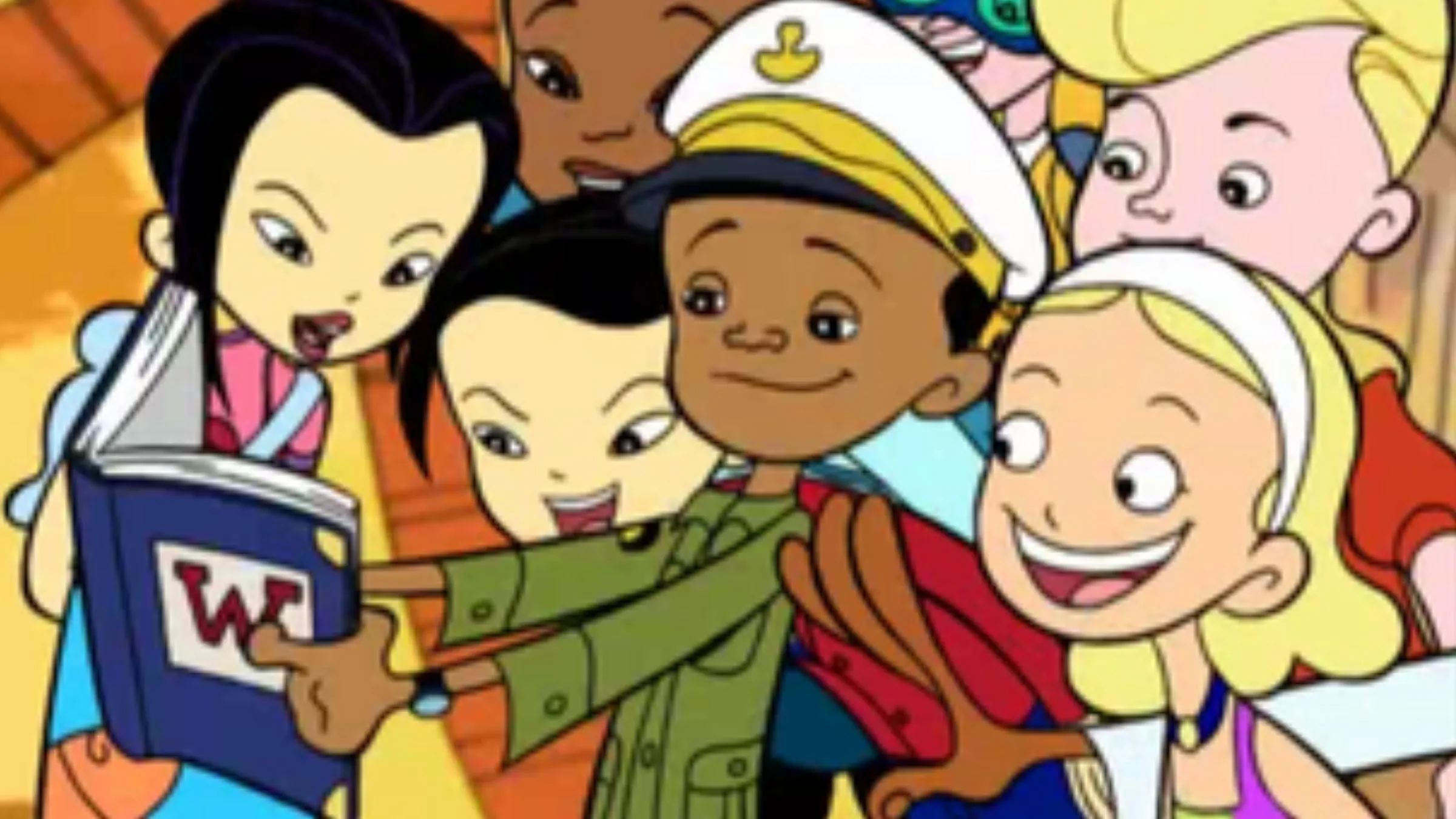
André Benjamin, better known as André 3000 of OutKast, created Class of 3000 with Thomas W. Lynch, voiced its lead, and wrote and performed original music for it. It premiered on Cartoon Network on November 3, 2006 with an hour-long opener, and 28 episodes were produced across two seasons. Sunny Bridges is a burned-out superstar musician who walks away from the industry to teach at a performing arts school in Atlanta, and the series is built so that any episode can stop dead and become a music video without breaking its own rules. That premise is also the thing that killed it. A cartoon that requires new original songs from a working recording artist, delivered on a television production schedule, is an expensive and fragile object. It is a beautiful idea and a nearly unmanageable show to actually make, and the tension between those two facts runs through every episode of it.
Cartoon Network pulled it in December 2007 under budget pressure and during the executive turnover that followed its president’s resignation after the Boston advertising panic that January. The final two episodes are widely reported never to have aired in the United States. A copyright suit then arrived in 2008 from a man claiming the series came from a pitch he had made in 1997, which a federal court dismissed on summary judgment in 2012, and full episodes only returned to digital stores once that resolved. The show has never been rerun. It does not stream anywhere in the United States, for money or otherwise, which makes it the hardest to see of everything here. André told an interviewer in late 2024 that they were hoping to do something new with it, and that is still the last word on a cartoon that has now spent far longer unavailable than it ever spent on the air.
More TV Shows
-

Courtesy of 20th Television Animation -
Image Courtesy of HBO