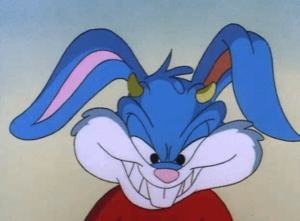
Some animated shows are unforgettably funny or meaningful. Others somehow become part of your vocabulary. You don’t just remember the characters or the theme songs. You remember the standout lines. Sometimes, you still say them years later without even thinking about it. That’s what makes certain cartoons impossible to leave behind. They stop being shows and become part of a cultural language.
Videos by ComicBook.com
1999 was an especially strange year for animation. It gave audiences shows that looked completely different from one another, yet somehow stuck around in the cultural conversation. Some became massive hits. Others developed cult followings after the fact. And a few managed to do something even harder: give an entire generation lines they could repeat forever. More than 25 years later, I’m still quoting these four. And maybe you are too. Apparently, some cartoons never learned how to leave.
4) Courage the Cowardly Dog — “Return the slab!”
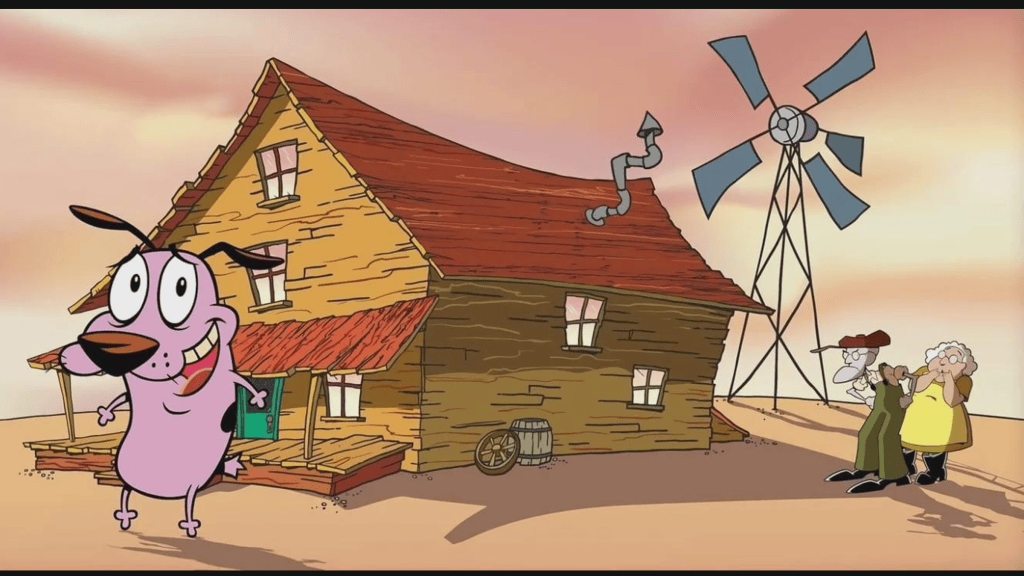
Courage the Cowardly Dog had no business being as weird as it was. And that’s exactly why it worked. The Cartoon Network series premiered in November 1999 and followed Courage, a nervous pink dog living with Muriel and Eustace Bagge in the middle of Nowhere, Kansas. Every episode seemed determined to traumatize the poor dog. Aliens. Ghosts. Monsters. Creepy neighbors. Occasionally, all of the above before lunch.
But the show’s strangest quality wasn’t its horror. It was how casually it mixed horror with comedy. Courage could be terrified one second and completely unhinged the next. Eustace could insult him with the enthusiasm of a man who had never experienced a peaceful morning. That bizarre tone helped turn the series into a cult favorite. Even now, Courage remains one of those cartoons people can recognize from a single screenshot. And then there’s the dialogue. Some lines are funny because they’re clever. Courage’s are funny because you can practically hear the panic. It’s been 27 years. The cowardly dog still has range.
3) Ed, Edd n Eddy — “Buttered Toast!”
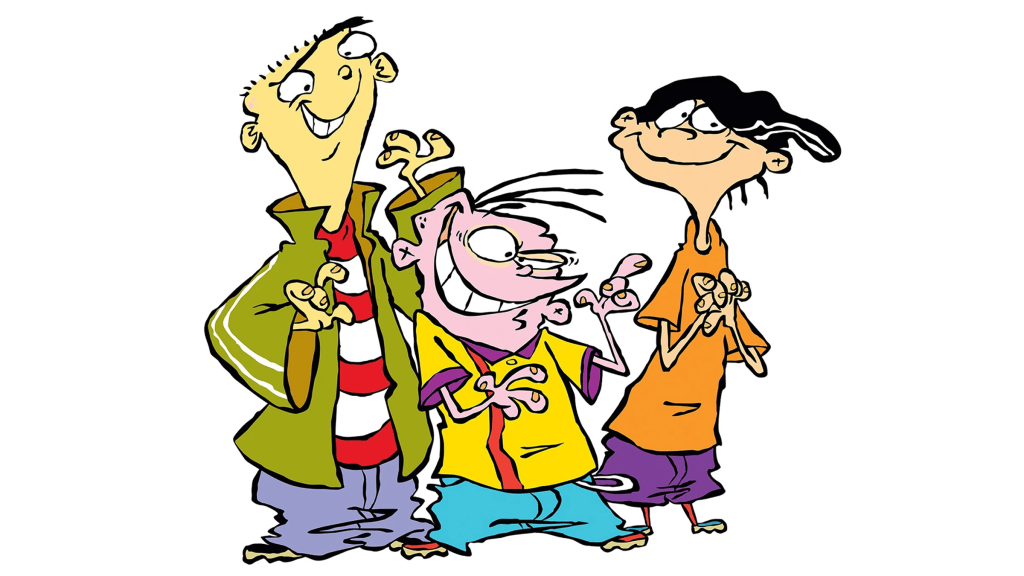
Ed, Edd n Eddy understood something important about childhood: every summer needs a scam. The Cartoon Network series premiered in January 1999 and followed three boys with the same first name, because apparently one Ed wasn’t enough. They spent their days trying to make money from increasingly ridiculous schemes so they could buy jawbreakers. The plans rarely worked. That’s the point. Ed was lovable chaos. Edd was the brains. Eddy was the entrepreneur who probably should have been investigated by the Better Business Bureau. Together, they turned an ordinary suburban cul-de-sac into a tiny criminal enterprise. So, it makes sense they have their own Funko Pops.
The show’s dialogue is a huge part of why it stuck. The characters didn’t just talk. They had distinct rhythms, expressions, and ways of insulting each other. It made even the dumbest conversations memorable. And the insults were gloriously childish. That’s why they still work. You don’t have to remember an entire episode to remember the feeling. Someone says something ridiculous, another kid gets mad, and suddenly everyone is yelling. Basically, childhood with a business plan. A terrible one.
2) SpongeBob SquarePants — “Is mayonnaise an instrument?”
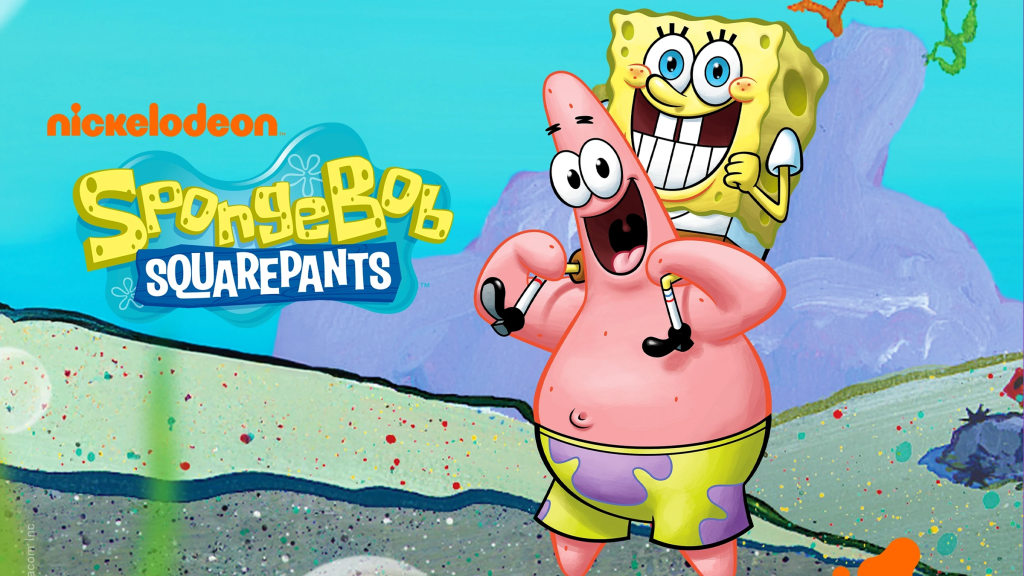
SpongeBob SquarePants isn’t just a cartoon from 1999. At this point, it’s practically a second language. The Nickelodeon series premiered in May 1999 and introduced SpongeBob, Patrick, Squidward, Mr. Krabs, and the rest of Bikini Bottom. It looked like a children’s comedy. Then the internet got involved. Suddenly, SpongeBob wasn’t just something kids watched after school. His expressions became reaction images. His lines became memes. His face became a universal response to everything from exhaustion to confusion to questionable life choices.
That’s what makes SpongeBob so easy to quote in 2026. The jokes are simple enough to remember, but specific enough to instantly communicate a feeling. Need to express disbelief? SpongeBob has a face for that. Existential dread? There’s probably an episode for that too. Someone makes a terrible decision? Patrick has likely already done it. The series has been around for more than 25 years, and somehow the yellow sponge keeps finding new ways to enter the conversation. Some cartoons age. SpongeBob just gets more quotable. And memeable. Either way, this cartoon eventually defined the 90s.
1) Family Guy — “What the deuce?”
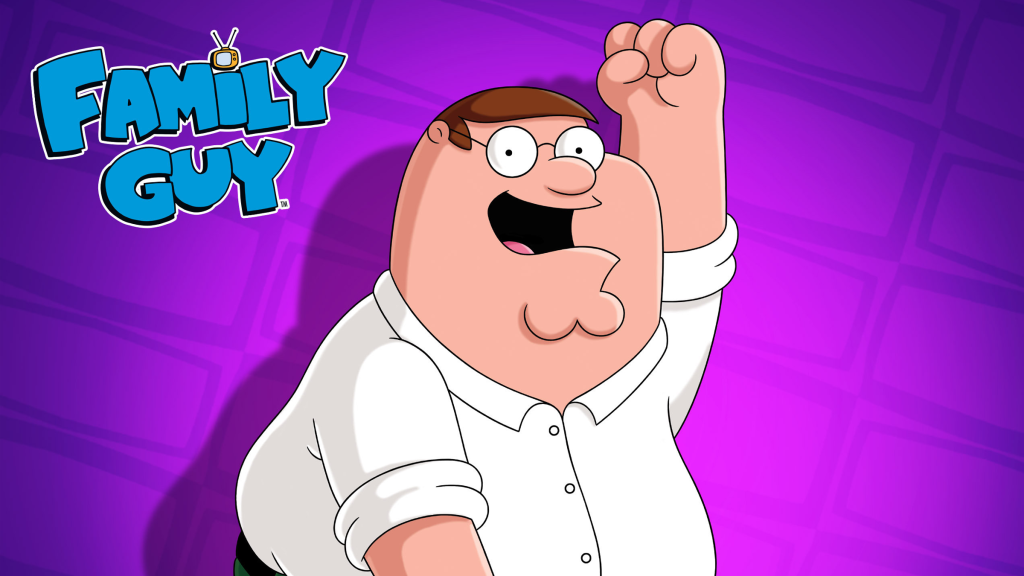
Family Guy premiered in January 1999, and it arrived with a very different idea of what an animated sitcom could get away with. The series follows the Griffin family in Quahog, Rhode Island, but its real weapon has always been the cutaway gag. A normal conversation can suddenly become a completely unrelated joke. Then the show moves on as if nothing happened. That structure made Family Guy unusually easy to quote. The jokes don’t always need context. Sometimes, the absurdity is the context. Peter also seems like a perfect character to help poke fun at the MCU.
Peter Griffin became particularly useful for this. He can turn almost any situation into an excuse for a ridiculous comment, a terrible idea, or an even worse decision. Stewie, meanwhile, brought an entirely different kind of humor to the family. The series was canceled, revived, canceled again in spirit about twelve times, and somehow kept going. Its first run began in 1999, but its influence has lasted far longer. That’s the strange thing about these shows. You can forget an episode. You can forget the plot. But give someone the right setup, and suddenly they’re quoting the punchline. Apparently, 1999 still has something to say.
Some cartoons entertained us. Others quietly rewired the way we talk. You can forget an episode, a plot, or even a character’s name, but say the right line and suddenly you’re eight years old again. Apparently, 1999 didn’t just give us cartoons—it gave us some very questionable additions to our vocabulary.
More TV Shows
-

Image Courtesy of HBO Max -

IMAGE COURTESY OF PARAMOUNT PICTURES