Camp Crystal Lake has been reopening and closing since 1980, across twelve films, a television series, a crossover with Freddy Krueger and a trip to outer space, and somewhere in all of that the Friday the 13th franchise stopped having anything resembling a fixed history. Jason drowns as a boy, then is alive as an adult, then is dead again, then is a zombie, then is in space. Fans made peace with the contradictions a long time ago, largely because the films never seemed especially bothered by them either. What makes the new prequel worth paying attention to is that it is the first entry in decades with both the room and the apparent intention to go back and decide what actually happened at that lake before the first film opened. Eight episodes is a great deal more space than a ninety-minute slasher ever had for that kind of bookkeeping, and the series appears to be spending it.
Videos by ComicBook.com
The show is Crystal Lake, it arrives on Peacock on October 15th with all eight episodes at once, and it comes from A24 with Brad Caleb Kane running it after Bryan Fuller’s much-publicized departure in 2024. Linda Cardellini plays Pamela Voorhees. What the trailer and the interviews around it have made clear is that this is not a careful act of preservation. The series changes the dates, changes what Pamela does for a living, changes what Jason was doing the summer he died, and declines to put a hockey mask anywhere near the thing. Some of that is creative choice and some of it, as it turns out, is a matter of who legally owns what. Below are the four biggest changes it makes to the record, based on what has actually been announced and said rather than on what the trailer might be implying, and the reasons each one is less arbitrary than it first sounds.
4) Crazy Ralph Is Back, and So Are the First Two Victims
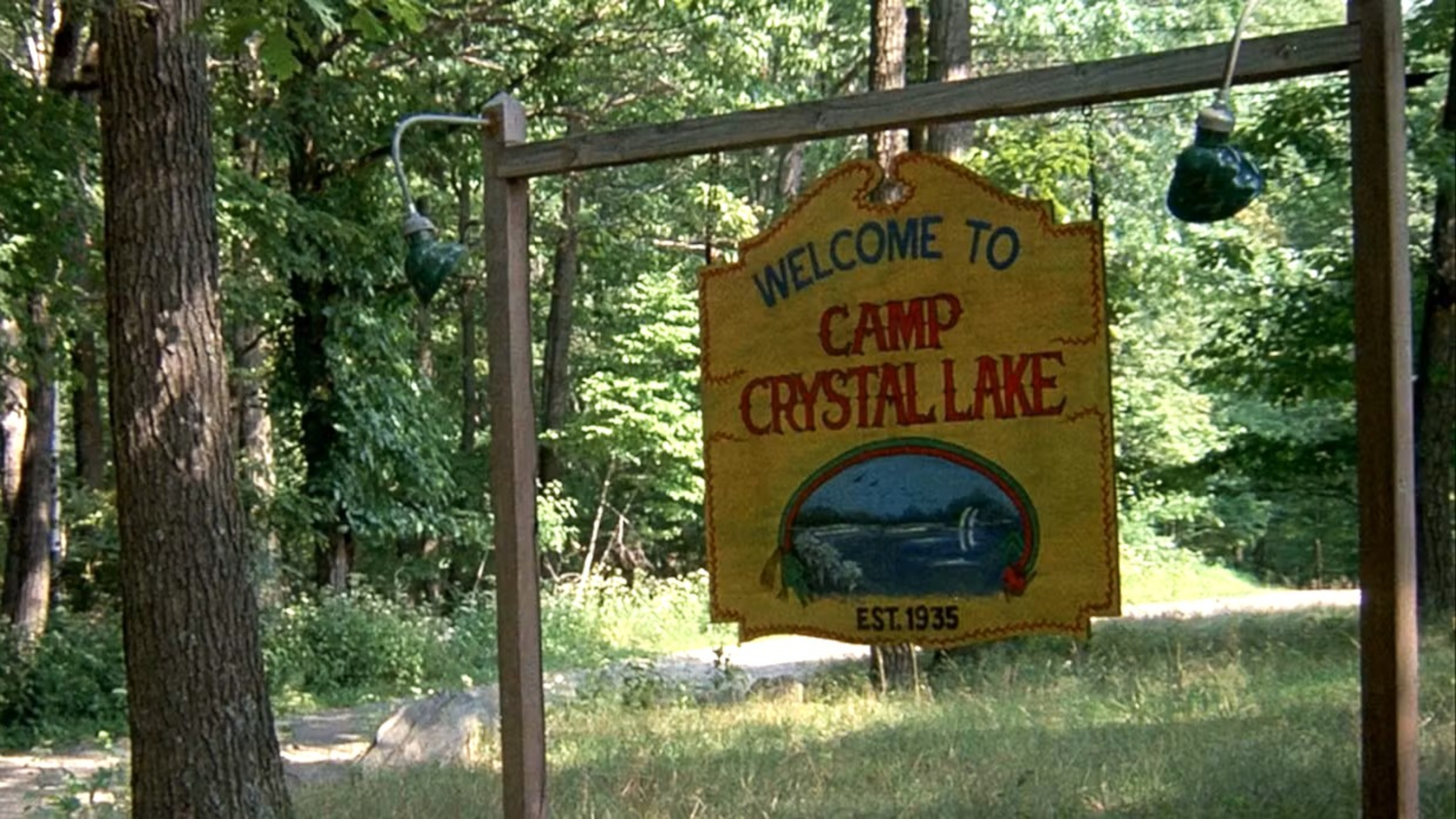
The returning character most people will recognize is Ralph, the doom-saying local from the 1980 original who exists to tell people they are all doomed and then be proved right. He is played here by Nick Cordileone, and his presence is the clearest signal the series intends to plug directly into the first film rather than orbit it. Ralph was never a major character, but he is the one people quote, and putting him in the cast list is a specific promise about which corner of the mythology this show is working in. In the original he cycles into frame unannounced to tell a group of counselors that the camp carries a death curse, and the film has the good sense to let him be right.
He is not alone. Claudette and Barry, the two counselors murdered in the film’s cold open before the title card even appears, are also in the series, played by Danielle Kotch and Phoenix Parnevik. So is Dorf, with Cameron Scoggins in the role. That is four characters from a film that runs 95 minutes and kills most of its cast, brought back as people with lives rather than as bodies. Kane has described one legacy character as one of many, and the cast list bears that out. It is a quiet but meaningful statement of intent, because a show that only wanted the brand could have invented an entirely new roster of teenagers and nobody would have blinked. Going back for the people the first film barely had time to name suggests something closer to genuine interest in that specific summer.
3) There Is No Hockey Mask, and Jason’s Body Is the Mystery

Kane has been direct about the most recognizable object in the franchise. In his words, this is not the Jason in the hockey mask show, and the reason is chronological rather than coy. The mask does not appear until the third film, and a series set before the first one has no business reaching for it. What he has added is that the absence does not mean the show avoids mask territory entirely, and that viewers will see more of Jason than they might be expecting. It is worth remembering how late an addition the mask actually is. Jason wears nothing over his face in the 1980 film and spends the 1981 sequel under a burlap sack, so the single most recognizable object in horror does not arrive until three movies into the series.
In its place, the trailer builds around a question the original film never had to answer. Jason drowned, and his body was never recovered. That detail sits quietly in the 1980 movie as part of Pamela’s grief, and the series turns it into an engine: if there is no body, then the town does not know what it is dealing with, and neither does the audience. It is a smart substitution, because it takes the franchise’s single most famous plot hole and treats it as a deliberate mystery rather than an oversight to be explained away. The 1980 film asks the audience to accept that a grieving mother killed for a son who drowned, and the 1981 sequel opens with that son alive and well. Making the missing body the thing everyone is actually looking for turns that contradiction into a question the show has to answer rather than one it has to survive.
2) Pamela Is the Camp Cook, and It Is a Thriller Before It Is a Slasher
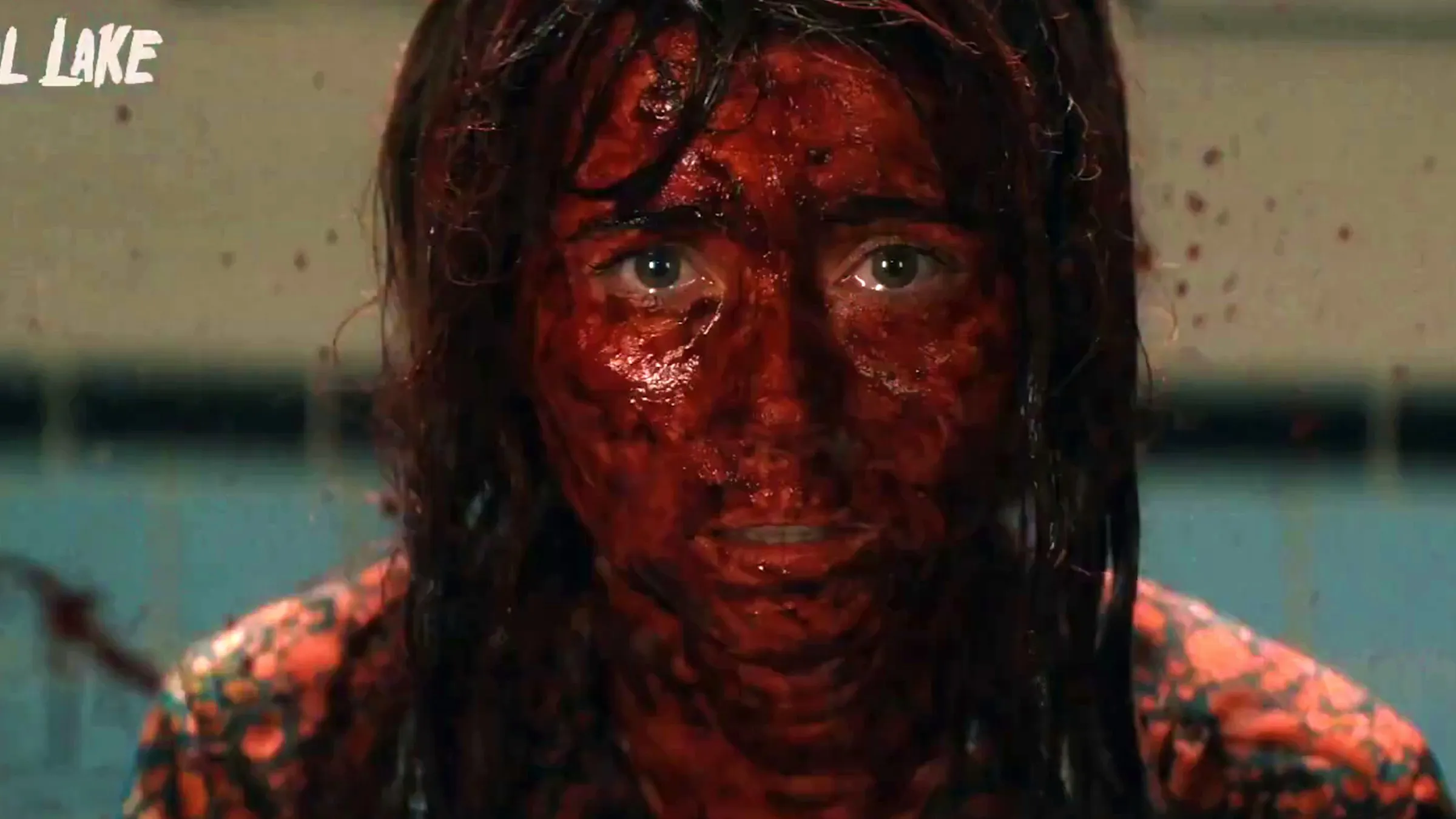
The 1980 film gives Pamela Voorhees almost no biography. She arrives in the final act, she is a grieving mother, she is the killer, and that is the whole of it. The series builds a life underneath that. Kane has described her as the cook at Camp Crystal Lake, with Jason as an eleven-year-old camper taking part in everything despite his physical limitations, while his mother works to make sure he has an ordinary summer outdoors with other children. His phrasing for where that goes is with ultimately tragic consequences, which is doing a great deal of work. Cardellini was cast in March 2025, months after the change of showrunner, so this version of Pamela was built for this version of the show rather than inherited from the one that was abandoned.
The tonal reframing is just as significant. Kane has called the show a psychological thriller and a paranoid 1970s thriller that came out of the mistrust-of-institutions era, and has said it has the DNA of a slasher without quite being one. He has also promised the kills arrive later and that the season does not skimp on blood. Whether a Friday the 13th series can spend its first stretch as a character study and still satisfy people who came for the hacking is the open question, and Kane seems well aware of it. He has said as much directly, acknowledging that people know what a Friday the 13th is supposed to be and that this is not that, which is either refreshing candour or advance warning depending on how the first four episodes land.
1) The Whole Timeline Moves Fourteen Years

This is the change that reaches furthest, and it is the one that has already started arguments. The original film establishes that Jason drowned in 1957 and that Pamela killed two counselors in 1958. The series sets the drowning in the summer of 1971 and the bulk of its story in 1972, positioning itself eight years before the events of the 1980 movie. That is a fourteen-year shift in the franchise’s foundational date, and it is not a rounding error. Move the drowning and Pamela’s own killings move with it, which means Claudette and Barry, the two counselors who die before the first film’s title card, are now dying in a different decade than the one the original assigned them.
It also does something useful, which is why it is probably worth the noise. Anchoring the story in the early seventies lets the show sit inside a specific and well-documented cultural moment rather than a vague postwar past, and Kane has built the season’s themes around that era’s institutional distrust. The cost is real: move the drowning and every date in the franchise behind it shifts with it, which is why some people are asking whether this is a prequel or a soft reboot wearing a prequel’s clothes. It helps that the production went to Camp No-Be-Bo-Sco in Blairstown, New Jersey, the same site the 1980 film used, and shot there from June to October of 2025, so whatever the series decides the date is, the lake on screen is the real one.
There is also a practical reason the show can make a change this large without anyone stopping it, and it is the least discussed part of the whole enterprise. Victor Miller, who wrote the 1980 screenplay, won back the American rights to it in court, which means the characters he created are his and the ones invented for the sequels are not. A prequel about Pamela and a young Jason, with no adult Jason and no hockey mask, is the precise shape of story those rights allow. Miller is an executive producer here. The answer on prequel versus reboot arrives on October 15th, when all eight episodes land on Peacock at once.
More TV Shows
-
Image Courtesy of Marvel -

Image Courtesy of Marvel