Part of the reason The X-Files remains so popular decades after its premiere is that viewers can watch and appreciate it in different ways. The classic science fiction procedural is often credited with popularizing a specific style of storytelling for genre television in which every given episode is mainly focused either on contributing to a serialized plot that gradually progresses across entire seasons or even series, or tells a simpler, standalone story contained within that specific episode. In the context of The X-Files, the former type are known as “mythology” episodes, centered around FBI agents Fox Mulder (David Duchovny) and Dana Scully’s (Gillian Anderson) years-long quest to obtain proof of alien life, and expose an international conspiracy that hides this truth from the public. The latter type of episodes are dubbed “cases,” or “monsters of the week,” in which the agents investigate one or more of what the FBI has labeled “X-Files,” crimes that cannot be explained and/or solved by science or other traditional methods, most of which at least initially seem to have paranormal elements.
Videos by ComicBook.com
Within those broader categories there are some more specific subsets of episodes, as The X-Files frequently experimented with different styles of storytelling and influence from genres beyond its sci-fi, fantasy, and horror roots. It’s important for new viewers to know they don’t need to watch every episode to appreciate specific storylines, and that they can be especially selective of which of the standalone “case of the week,” stories they view. But the following are five episodes no one invested in the series can afford to miss. These episodes have been selected based on several criteria including their level of significance (if any) to the show’s serialized storylines, if they are prime examples of a specific type of X-Files story, and, of course, their general reputations with fans and TV critics:
5. “Revelations” – Season 3, Episode 11
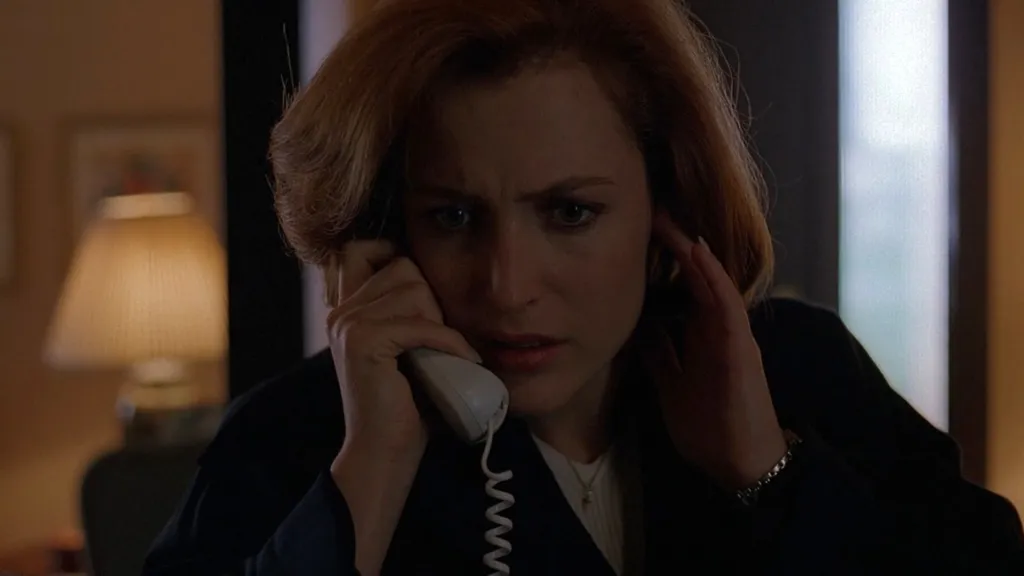
While The X-Files‘ serialized mythology revolves around aliens and other science fiction tropes, many of the standalone episodes instead delve into the fantasy and horror genres to explore more supernatural phenomena. “Revelations” is one of the best of those episodes. While investigating a series of religiously motivated murders targeting false stigmatics, Mulder and Scully encounter Kevin Kryder (Kevin Zegers,) a young boy whose stigmatic hand wounds appear genuine.
While protecting Kevin from a fanatical threat, Scully bonds with him and witnesses his seemingly supernatural abilities, leading her to be torn between her Catholic faith and usual scientific skepticism. The conflict between Scully’s faith and work was a defining feature of the series and rarely explored better than it is here. “Revelations” also exemplifies the series’ habit of occasionally reversing the “Mulder as a believer in the paranormal, Scully as a skeptic,” dynamic and demonstrates why that tactic is so effective.
4. “Home” – Season 4, Episode 2
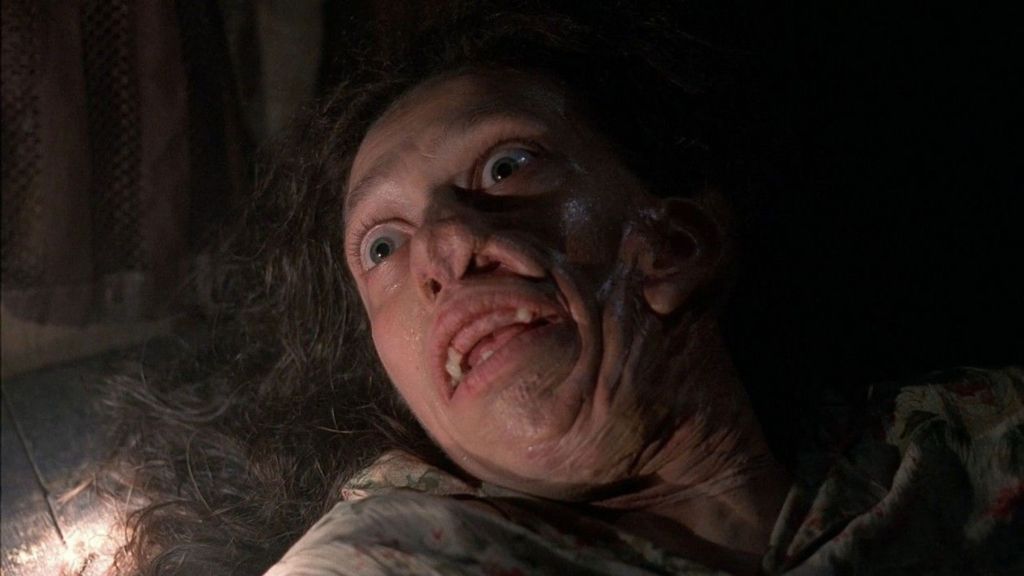
While its mythology gradually became more complex and elaborate (sometimes even convoluted) The X-Files kept viewers on their toes by including standalone episodes that were especially harrowing because they featured the agents dealing with crimes that are all too real or plausible. The most well-known of these installments is also the show’s most famously controversial hour.
In the titular Pennsylvania town, Mulder and Scully investigate the death of a baby with severe birth defects, ultimately discovering its ties to the horrific history of incest between members of a local family. While acclaimed by most critics, “Home,” has sometimes been criticized for having more graphically disturbing content than necessary. It was retroactively given a TV-MA rating and a viewer discretion warning, one of only two episodes of the series to receive the latter. Because of this, it was left out of rerun broadcasts of the series soon after entering syndication, though this and its larger infamy have mostly resulted in making the episode even more popular.
3. “Redux II” – Season 5, Episode 2

The second half of the two-part Season 5 premiere provides satisfying resolutions to the cliffhangers established by its predecessor and the Season 4 finale. With both Scully’s life and the chance for finally exposing the truth on the line, Mulder is faced with impossible choices and heartbreaking reveals, as both agents must yet again rely only on each other. Saying more about the plot would risk spoiling too many of the great surprises in this and the prior episodes but it is safe to say that “Redux II” is an exhilarating milestone in what is widely considered The X-Files‘ strongest serialized arc.
Later episodes and seasons don’t always follow up the reveals from “Redux II” in the most compelling or believable ways. But the episode itself effectively sets up Mulder’s season-long doubt over the viability and point of his mission while providing a fitting conclusion to the thorough exploration of his relationship with Scully started in Season 4.
2. “Ice” – Season 1, Episode 8
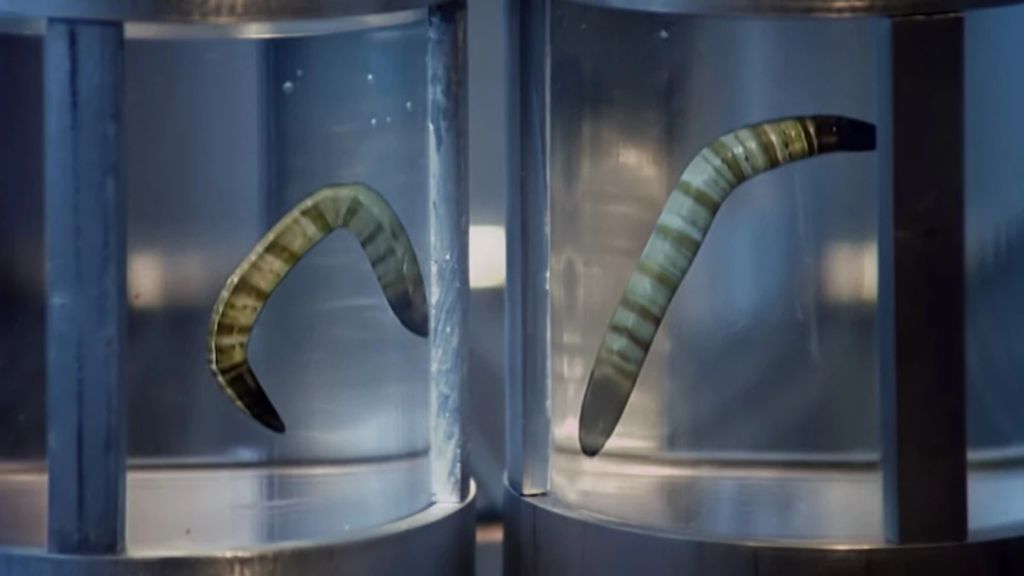
This early favorite echoes classic horror stories like The Thing, as Mulder and Scully work with a larger team sent to investigate a mass murder suicide among the employees of a geophysics outpost in Alaska. After various team members develop the same unusual symptoms, the isolated group begins to turn on one another, making it even more difficult for Mulder and Scully to deal with the alien organisms responsible.
“Ice” is often cited as one of the best uses of the “case/monster of the week,” format in TV history and it’s the perfect hour for fans who prefer The X-Files’ self-contained horror stories. But while not part of the mythology arc, it’s still very important to the series’ larger storytelling. It reiterates how strong of a job the series had already done in building up Mulder and Scully’s dynamic even so early into its run, and as immensely enjoyable as it is on its own, that payoff means it works best if one’s seen at least a few of the prior episodes.
1. “Memento Mori” – Season 4, Episode 14

“Memento Mori,” is the true beginning of The X-Files‘ best serialized arc. When Scully is diagnosed with cancer, she and Mulder react in characteristically different ways. Mulder’s quest to find a connection between her illness and her previous abduction by the conspiracy ties together elements of several past mythology episodes and leads to a tense confrontation with the agents’ mysterious nemesis, the Cigarette Smoking Man (William B. Davis).
But while Scully herself initially joins in some of Mulder’s suspicions and investigating, she eventually realizes that she must also trust in conventional medical science to save her. It’s her journey towards accepting this and her efforts to get Mulder to do the same that make this the series’ most moving installment. One of the distinguishing qualities of television as a medium is how the viewer develops complex, long-term relationships with the characters just as the characters do with one another. When specific story arcs draw on these feelings and history in provocative ways it can result in uniquely emotional viewing experiences and “Memento Mori” is immensely successful at doing so.
More TV Shows
-

Courtesy of Netflix/Carnival Films & Television -

IMAGE COURTESY OF MARVEL TV