
Science fiction has always had a place on television. One of the most iconic shows of all-time was a genre exercise, with Rod Serling’s The Twilight Zone blazing such a distinct path that it remains one of the most influential pieces of media to date. The Twilight Zone wasn’t the only sci-fi TV show to fully define the 1960s, though, which also saw the likes of Star Trek and Doctor Who make their premiere. In fact, every decade has seen its own take on science fiction come around and redefine the genre, and with a few years left in the 2020s, there’s still time to tell how it will fully shake out.
Videos by ComicBook.com
The last decade, though, the 2010s, marked one of the most dynamic shifts in television, completed with the arrival of streaming services moving into producing their own original content. As a result, some of the biggest science fiction shows of the era either got their start on one of these platforms or made their way there eventually, but in the end, the decade once again proved that there were still fresh ideas for creators to explore, and fans were eager to see science fiction continue to dominate. These five shows may not have earned the best ratings over time, but they’ve proven to be incredibly influential.

5) Westworld

Total Number of Episodes: 36
Why It Was Important: There were two things that Westworld proved to the world upon its release. The first is that HBO wasn’t just the Game of Thrones channel, something it has fully embraced in the years since, but that the premium cable network could spread into more genres and continue to deliver appointment television. The second thing it proved was that a forgotten genre piece could be remade and given its own proper identity thanks to the depth allowed by prestige TV.
4) The Flash
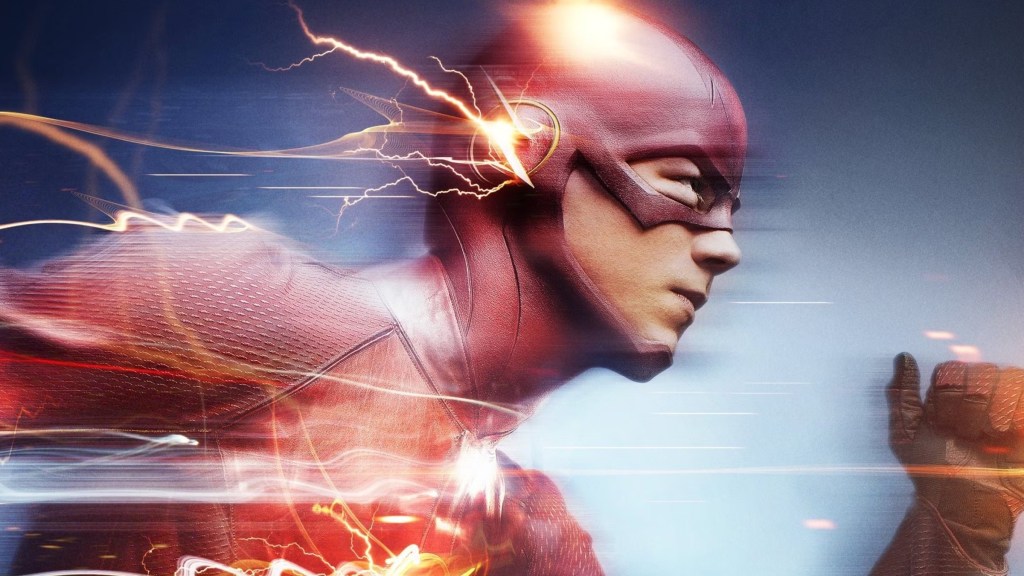
Total Number of Episodes: 184
Why It Was Important: In the 2010s, superhero media had fully taken over movie theaters around the globe, with the Marvel Cinematic Universe becoming a billion-dollar success and the DCEU following suit with its own stable of characters. It stands to reason that television would try to get in on the game at the same time, and though Arrow was technically the starting point for The CW’s wider superhero world (and the namesake for the entire universe), it was actually The Flash that proved to be the most innovative and worthwhile.
Across nine seasons, The Flash not only brought to life countless DC heroes and villains that had only ever lived in the pages of comics, but it also proved that major storylines that readers already loved could be realized in live-action. The sci-fi storytelling of The Flash and its ability to rework comic book storylines also gave way to many of the larger narratives across the Arrow-verse to take place at all, as the series was quick to not only deliver time travel into the equation but dabble in the multiverse long before it became the bedrock of the MCU.
3) Star Trek: Discovery
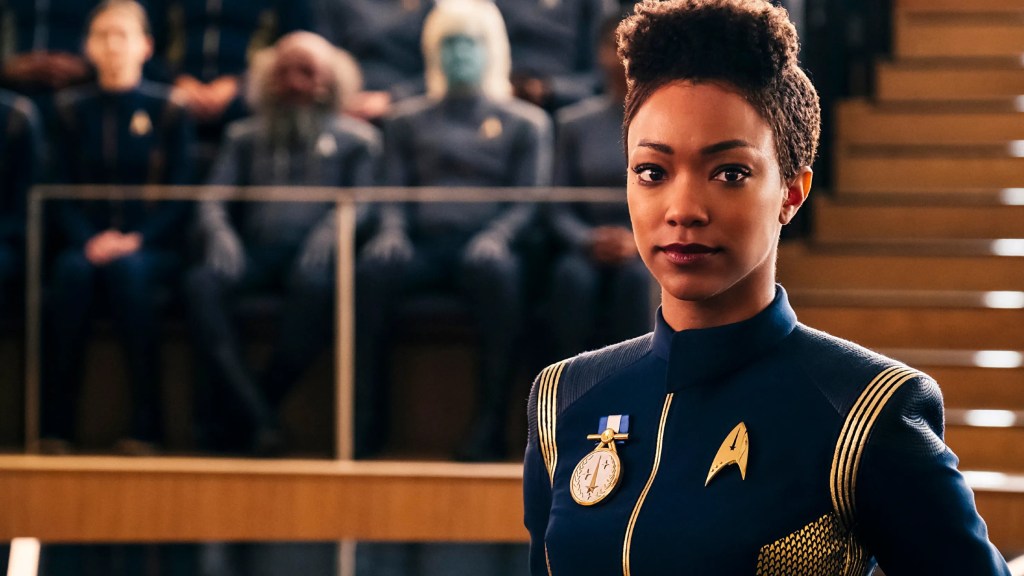
Total Number of Episodes: 65
Why It Was Important: When it was first announced in November 2015, Star Trek: Discovery was set to be the first show in the franchise in a decade, but was also being developed for the just-launched CBS All Access streaming service and not traditional television. There was some turmoil behind the scenes for Star Trek: Discovery, though, leading to major departures and changes in who was developing the series and thus changing the trajectory not only of the show, but Trek as a franchise as a whole.
After Bryan Fuller left the series, screenwriter Alex Kurtzman became the primary voice of the show for a time, and after strong viewership, the future of the series was clear. Kurtzman became a key creative in the Paramount family, much to the chagrin of fans around the world, executive producing all six Star Trek shows that were produced after Discovery‘s debut. Even now, with the most recent series, Star Trek: Starfleet Academy, already getting cancelled, Kurtzman is still involved with the future of Trek, something that likely wouldn’t have happened without the success of Discovery.
2) Black Mirror
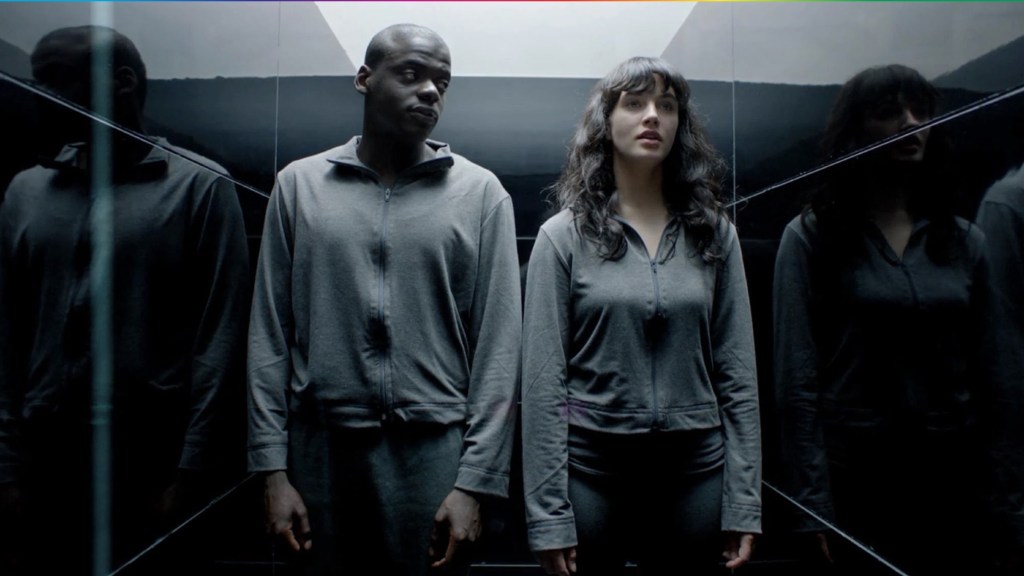
Total Number of Episodes: 33 (plus a movie)
Why It Was Important: When Black Mirror premiered on Channel 4 on December 4, 2011, it shocked the world with “The National Anthem,” not only dropping the mic about how heavy its subject matter would become, but also how much of a gut punch it was willing to dish out with its endings. The series immediately became a must-watch as a result, and Black Mirror‘s success saw a resurgence in anthology TV, something that hadn’t been popular in well over a decade. Its success not only saw it return in a big way, but even resulted in The Twilight Zone making a return to television for the first time in sixteen years. Furthermore, Charlie Brooker’s series became quite prescient in how it predicted the development and misuse of technology in the years that would follow, revealing the show’s grim warnings were ignored by some.
1) Stranger Things
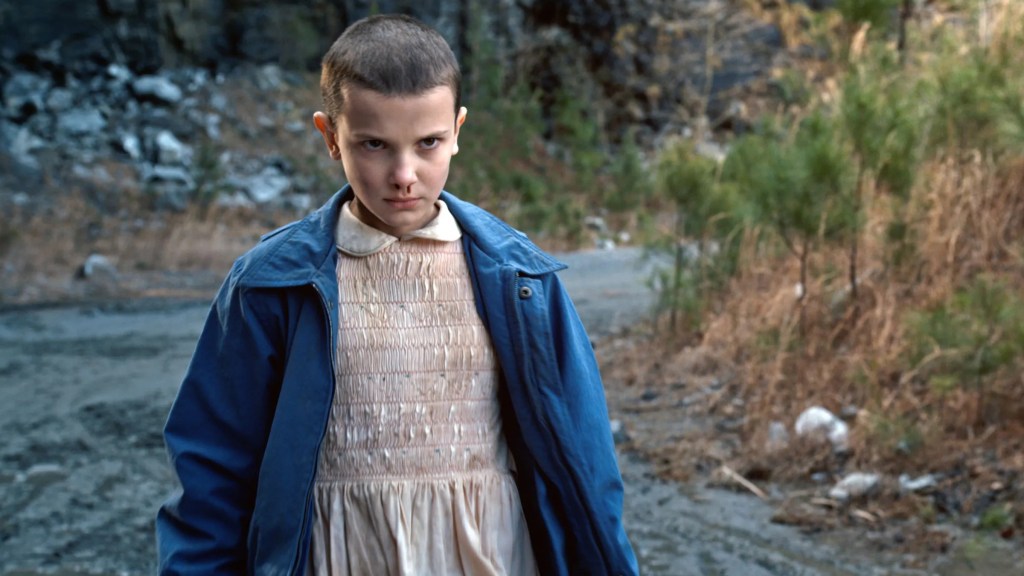
Total Number of Episodes: 42
Why It Was Important: Though written off initially by some as an amalgamation of Steven Spielberg and Stephen King, Stranger Things immediately became a proper pop culture phenomenon. The success of Stranger Things set the stage for two major elements that defined the decade of the 2010s and make it the most important sci-fi show of the decade. The first is that it gave Netflix its first proper franchise, one that continues to this day with an animated spinoff, a prequel play on Broadway, and, no doubt, more plans for the future.
The second is that Stranger Things kick-started ’80s nostalgia into overdrive. Upon its premiere, the ’80s had been over for twenty-five years, so even though nostalgia did exist, the series did a lot by reminding people of what their childhood was like at that time. This no doubt contributed to ’80s nostalgia becoming a focal point of modern culture, including shows and movies being set in the decade, but also the return of products from the era and even a career renaissance for Winona Ryder.
