Television series typically rely on a foundational hook to maintain their identity and retain audience interest. This consistency allows a show to build a reliable brand identity that audiences can return to across multiple years without fear of the narrative losing its core purpose. For example, The Office maintained its global dominance by focusing entirely on the internal politics and interpersonal friction within a mundane paper company. Even as the cast evolved, the workplace environment remained the central engine of the comedy. More recent successes follow this same pattern of structural stability to ensure long-term viewer retention. The Bear remains anchored in the high-stakes atmosphere of a professional kitchen as its characters strive for culinary excellence. Meanwhile, Succession spent four seasons meticulously detailing the power struggles of a dysfunctional family fighting for control of a media empire, never straying from its central exploration of corporate greed.
Videos by ComicBook.com
Despite the proven success of maintaining a stable foundation, certain television productions undergo a radical transformation that completely discards the original premise in favor of a new genre or setting. This lack of narrative continuity can alienate a dedicated fanbase, yet it also provides a rare opportunity to elevate a standard production into something far more ambitious.
5) Scrubs

The medical comedy Scrubs maintained a remarkably consistent tone for eight years, focusing on the professional development of J.D. (Zach Braff) at Sacred Heart Hospital. However, the production underwent a catastrophic premise shift in its ninth season, which the network marketed as Scrubs: Med School. This final chapter abandoned the established hospital setting to focus on a new group of students at a university medical facility, effectively serving as a backdoor pilot for a spinoff that failed to find its footing. While original cast members like Perry Cox (John C. McGinley) and Christopher Turk (Donald Faison) remained as instructors, the narrative focus shifted to Lucy Bennett (Kerry Bishé). This transition destroyed the emotional closure provided by the Season 8 finale and alienated the core audience by replacing a beloved ensemble with less developed archetypes. The shift felt like a disconnected spinoff rather than a continuation, leading to its cancellation shortly after the pivot.

4) Baywatch Nights
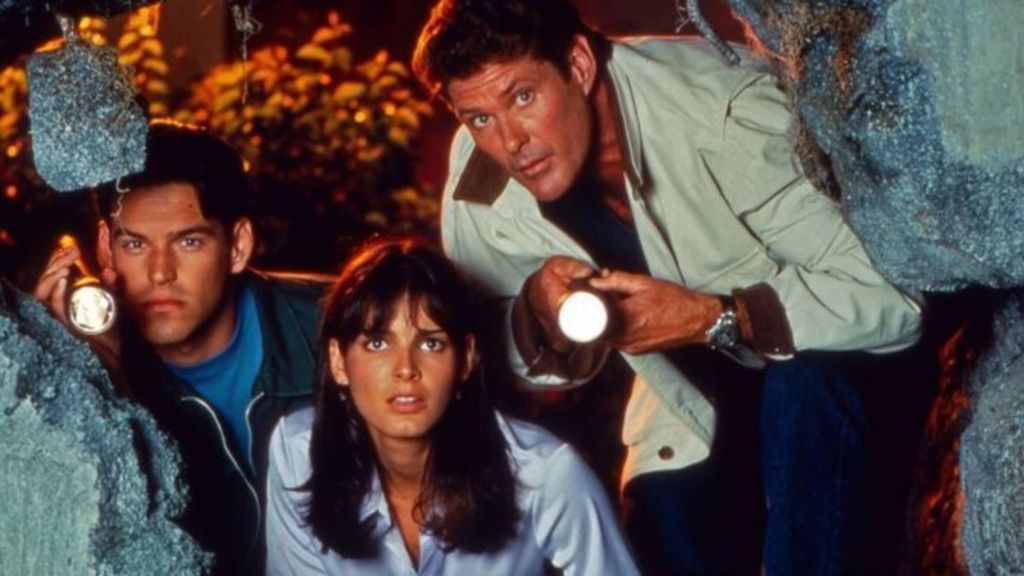
The first season of Baywatch Nights functioned as a standard detective procedural, following Mitch Buchannon (David Hasselhoff) as he operated a private investigation agency during his evening hours. The show initially focused on grounded crimes like organized theft and kidnapping, attempting to capitalize on the star power of Hasselhoff in a more mature setting than the sunny beaches of the main series. This premise was discarded entirely for the second season, which underwent a jarring pivot into supernatural horror. Influenced by the massive cultural success of The X-Files, the writers introduced extraterrestrials, demons, and urban legends. This shift made the series feel like a parody of itself, as a lifeguard suddenly found himself battling cosmic threats and monsters hiding in the shadows. Unsurprisingly, fans found the change to be one of the most absurd creative decisions in television history, as it fundamentally broke the internal logic of the Baywatch universe.
3) Prison Break

Prison Break launched with a high-stakes premise that was entirely contained within its title, following the meticulous plan of Michael Scofield (Wentworth Miller) to extract his brother from a maximum-security facility. The first season was a tightly paced thriller that utilized architectural blueprints and prison politics to create constant tension. Once the characters successfully escaped, the show struggled to maintain its identity, transitioning into a sprawling conspiracy drama that spanned multiple countries. By the second season, the series became a fugitive hunt led by Alexander Mahone (William Fichtner), and subsequent years involved a convoluted battle against a global shadow government known as “The Company.” This shift away from the structural limitations of a prison environment removed the specific stakes that made the series a breakout hit. While the show attempted to return to its roots by placing the characters in new prisons in Panama and Yemen in subsequent seasons, the original purity of the premise had been permanently diluted by an increasingly nonsensical plot involving faked deaths and secret lineages.
2) Westworld
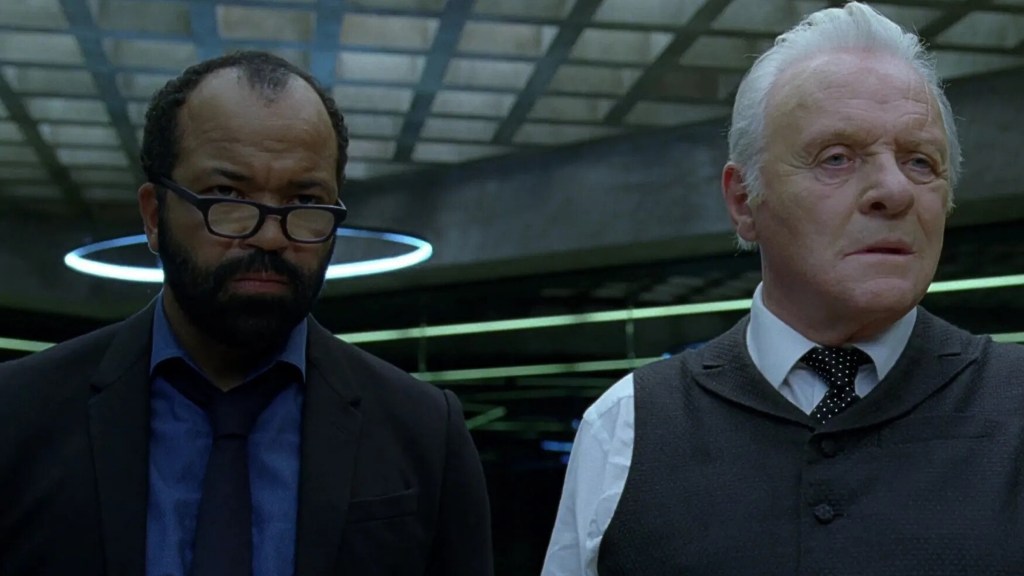
Jonathan Nolan and Lisa Joy designed the first season of Westworld as a philosophical deconstruction of the Western genre, set within a sophisticated theme park populated by android hosts. The narrative focused on the awakening of Dolores Abernathy (Evan Rachel Wood) and the mystery of the maze, providing a contained and intellectually stimulating experience. By the third season, the series abandoned the park setting entirely, transforming into a futuristic cyberpunk war story set in a dystopian version of Los Angeles. This change in environment and tone stripped away the unique aesthetic of the brand, making Westworld indistinguishable from other high-budget science fiction productions. As a result, many viewers found the transition to be overly cold and detached, as the intimate exploration of artificial consciousness was replaced by grand-scale corporate espionage and generic action sequences. The radical departure from the park’s boundaries ultimately led to a decline in viewership and a premature cancellation before the story could reach its intended conclusion.
1) Person of Interest
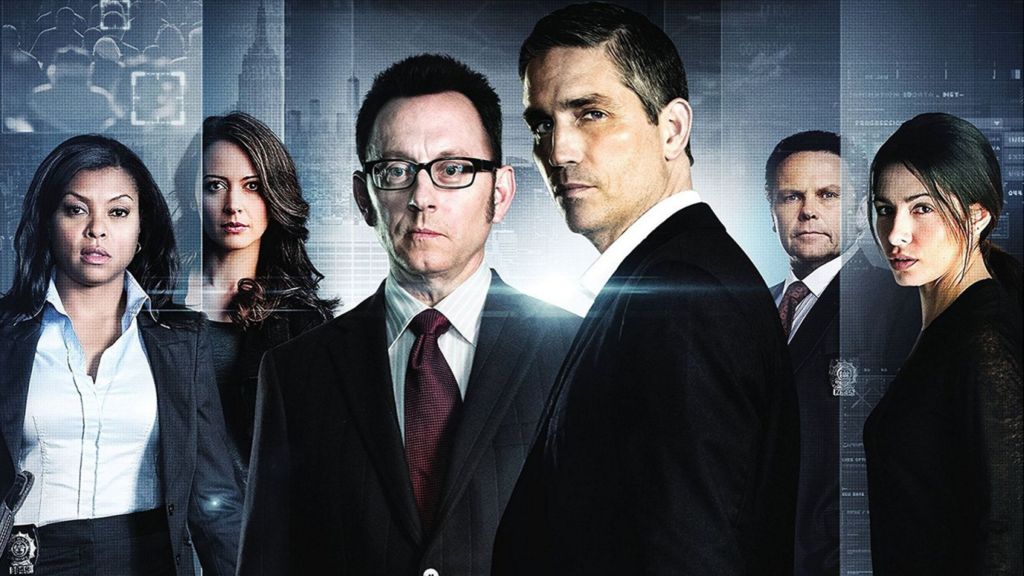
The evolution of Person of Interest represents a rare instance where a total premise shift significantly improved the quality of the production. The series began as a standard procedural drama on CBS, following John Reese (Jim Caviezel) and Harold Finch (Michael Emerson) as they used a surveillance system to prevent street-level crimes. However, starting in the third season, the show underwent a brilliant pivot to focus on a global shadow war between two competing super-intelligences: The Machine and a cold, authoritarian system known as Samaritan. This transition allowed the writers to explore complex themes regarding state surveillance, digital ethics, and the potential for a technological god. By embracing serialization and a darker tone, Person of Interest transformed from a predictable network crime show into one of the most ambitious and prescient genre stories of the decade.
Which television show do you think benefited the most from a radical change to its original premise? Leave a comment below and join the conversation now in the ComicBook Forum!
Most Viewed
-

Courtesy of Sony Pictures Animation / McDonald's -

Image Courtesy of Marvel Comics -

Image courtesy of Marvel Television