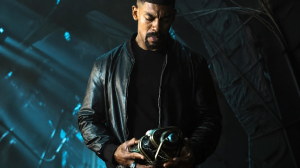
In the early 1990s, the Saturday morning cartoon programming was heavily dominated by the Fox Kids block and the highly lucrative Disney Afternoon syndication package. Meanwhile, Warner Bros. Animation had been producing massive hits for Fox, most notably giving the rival network its flagship superhero and comedy programs. Recognizing the massive financial and cultural value of these properties, Time Warner decided to establish a dedicated children’s programming block to leverage its in-house animation studio directly. As a result, Kids’ WB officially launched on September 9, 1995, as a strategic cornerstone for the fledgling WB Television Network.
Videos by ComicBook.com
Kids’ WB immediately disrupted the broadcasting status quo by pulling established properties away from competitors while simultaneously greenlighting highly experimental original series. The block also established its identity through a commitment to creator-driven productions that completely ignored the traditional boundaries of children’s entertainment. That creative freedom attracted older demographics alongside the target child audience, creating a cross-generational experience that cemented the brand’s cultural dominance. The late 1990s became a golden era for the block, characterized by a rapid expansion into weekday afternoons and the strategic acquisition of Japanese anime imports that permanently changed the global entertainment market.
7) Men in Black: The Series
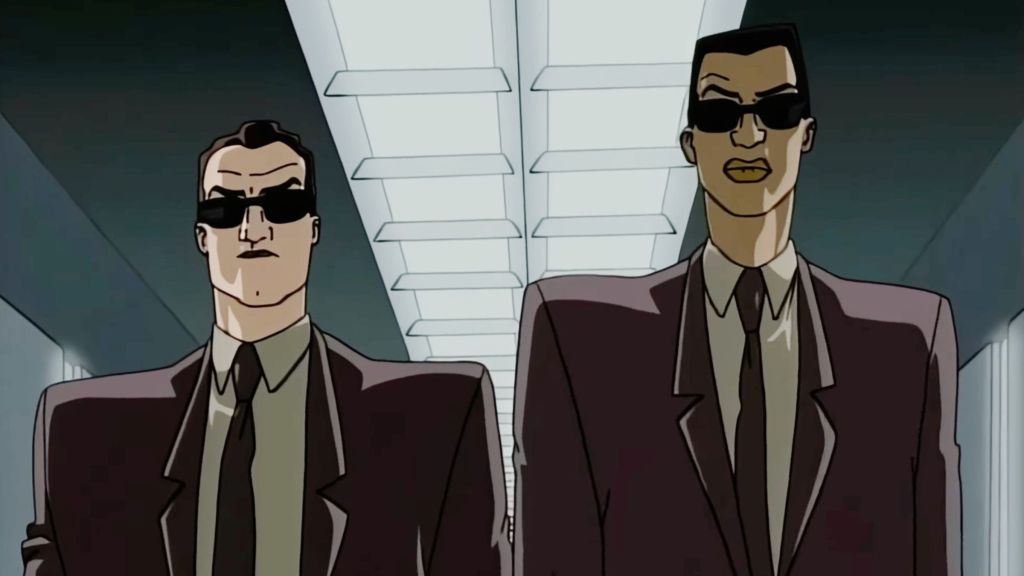
The late‑1990s fascination with extraterrestrial conspiracies made the 1997 Men in Black film an instant phenomenon, and the animated series swiftly brought that world to Saturday mornings. The show follows Agent J (voiced by Keith Diamond) and Agent K (voiced by Ed O’Ross) as they police alien activity on Earth, expanding the mythology with a roster of bizarre interstellar immigrants. Men in Black: The Series‘s stylized look matched the decade’s shift toward grittier animation as it approached the turn of the millennium, while the deadpan bureaucratic tone of the film carried over intact. Although the series mostly ignored the movie’s canon, which helps to explain why it’s often ignored by modern fans, Men in Black: The Series offered arguably the best story outside comics, using the serialized format to allow its characters to grow.
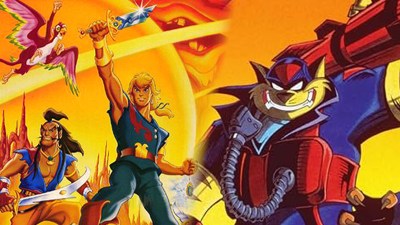
6) Pinky and the Brain

Pinky and the Brain, a spin‑off from Animaniacs, gave the popular laboratory mice their own half‑hour in Kids’ WB!’s initial lineup. In each episode of the series, The Brain (voiced by Maurice LaMarche) hatches a new scheme for world domination, assisted by his good‑natured but dim‑witted partner Pinky (voiced by Rob Paulsen). Leaning on that premise, the animators placed the duo in detailed historical recreations and direct parodies of classic films, while the voice actors’ chemistry grounded the absurd plots in a strangely touching co‑dependent friendship. In fact, their recurring exchange—“Gee, Brain, what do you want to do tonight?” “The same thing we do every night, Pinky—try to take over the world!”—became an inescapable catchphrase of the 1990s, and it’s hard to find a single millennial who doesn’t know it by heart. Pinky and the Brain won a Primetime Emmy for Outstanding Animated Program, cementing its importance for the medium.
5) The New Batman Adventures

Batman: The Animated Series delivered the definitive version of the Dark Knight (voiced by Kevin Conroy), which is why Time Warner decided to expand that series for its own animated block. When the Gotham mythos moved to Kids’ WB! in 1997, The New Batman Adventures streamlined the earlier art‑deco designs into a sleeker, more angular look that allowed for more kinetic action, an overhaul that helped the series fit seamlessly with Superman: The Animated Series and the expanding DC Animated Universe. The narrative also shifted its focus to the wider vigilante network, prominently featuring Dick Grayson as Nightwing (voiced by Loren Lester), Barbara Gordon as Batgirl (voiced by Tara Strong), and Tim Drake as the new Robin (voiced by Mathew Valencia). Though the visual overhaul divided some fans, the series continued to deliver tightly written superhero drama, proving the animated DC universe still had plenty of creative life.
4) Superman: The Animated Series
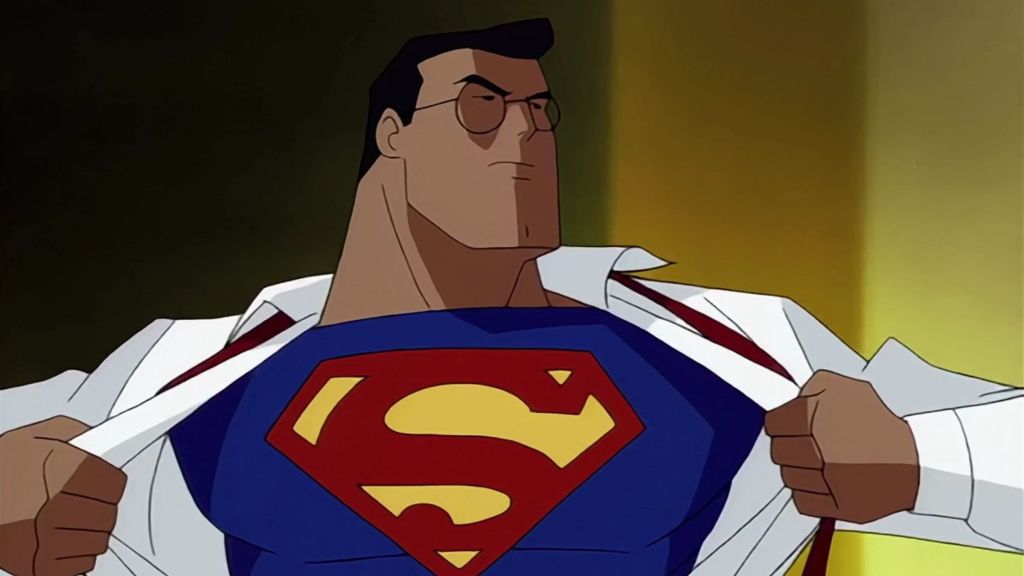
Superman: The Animated Series debuted on Kids’ WB! in 1996 and discarded the camp of earlier adaptations to present a physically vulnerable Clark Kent (voiced by Tim Daly) facing geopolitical threats. The production designers also built a retro‑futuristic Metropolis inspired by the 1939 World’s Fair, creating a bright, optimistic skyline that contrasted sharply with the grim shadows of Gotham. The series maintained the sophisticated storytelling and mature thematic depth that had made Batman: The Animated Series a critical darling, proving that the Man of Steel could anchor just as compelling a dramatic world. Its interconnected narrative directly laid the groundwork for the Justice League animated series that followed, which would become one of the best animated programs of the 2000s.
3) Animaniacs
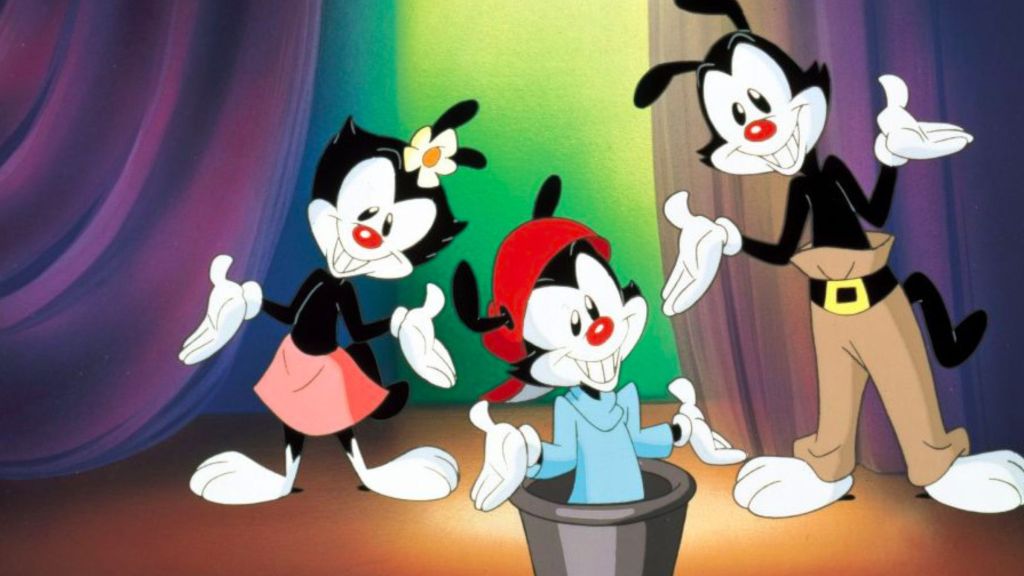
The flagship series of Kids’ WB!’s 1995 launch, Animaniacs brought its manic variety show from Fox to the new network. The show centered on the Warner siblings—Yakko (voiced by Rob Paulsen), Wakko (voiced by Jess Harnell), and Dot (voiced by Tress MacNeille)—who escaped the studio water tower each episode to wreak havoc on Hollywood executives and the network censors themselves. The writing mixed rapid-fire slapstick with dense layers of adult innuendo, political satire, and show-business parody, while a generous music budget produced fully orchestrated educational songs that lodged themselves in young viewers’ memories. Animaniacs won multiple Daytime Emmys during its run and proved that a children’s cartoon could be relentlessly clever without alienating its core audience.
2) Batman Beyond
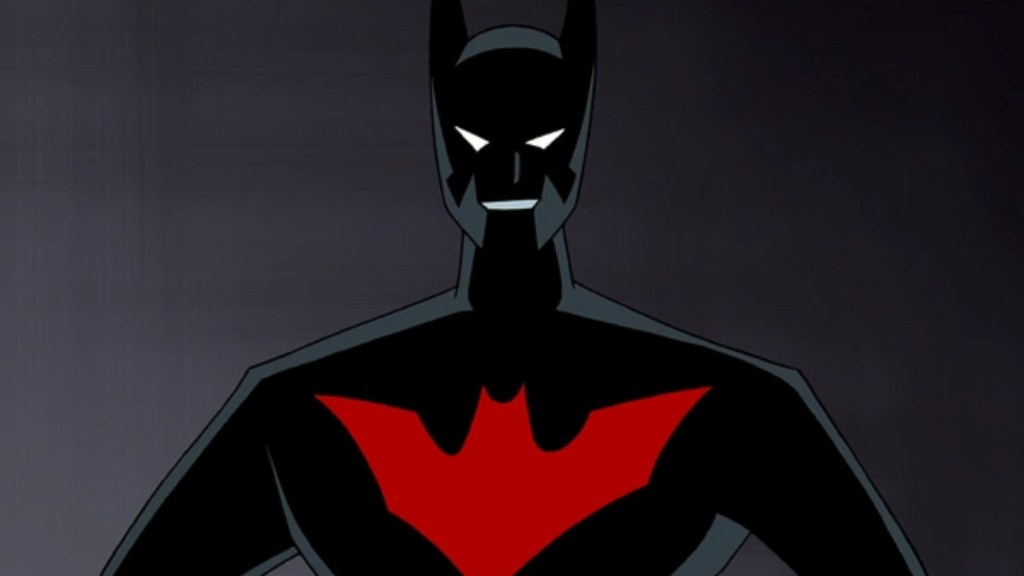
Batman Beyond arrived on Kids’ WB! in 1999 and passed the Dark Knight mantle to teenager Terry McGinnis (voiced by Will Friedle), who steals a high‑tech Batsuit and reluctantly allies with an elderly, retired Bruce Wayne (voiced by Kevin Conroy). The show built a cyberpunk Neo‑Gotham where traditional mobsters gave way to gene‑splicers and digital warfare, with sharp black shadows and neon accents defining its oppressive visual style. Despite initial skepticism about a futuristic teenage Batman, the series won fans with its noir atmosphere and the mentor-student chemistry between Terry and Bruce. Batman Beyond even won a Daytime Emmy, and its legacy was further cemented by the acclaimed film Batman Beyond: Return of the Joker, which explored the dark fate of the original Clown Prince of Crime, and the spinoff series The Zeta Project, which further developed the DC Animated Universe’s future.
1) Pokémon

Pokémon joined Kids’ WB!’s Saturday morning lineup in 1999, bringing the adventures of Ash Ketchum (voiced by Veronica Taylor) and his Pikachu (voiced by Ikue Ōtani) to an enormous new audience. The series followed Ash’s quest to become a Pokémon Master across the Kanto region, blending episodic monster encounters with long‑form tournament arcs and character progression — a serialized format still rare in Western cartoons at the time. Airing alongside the explosion of the Game Boy titles and the trading card game, Pokémon created an unprecedented multimedia synergy that dominated playgrounds. The anime’s accessible storytelling and the signature “Gotta catch ’em all!” hook turned it into a global franchise, with the brand eventually becoming the highest‑grossing media property of all time.
Which iconic animated series from the classic Kids’ WB lineup do you think still holds up best today? Leave a comment below and join the conversation now in the ComicBook Forum!
More TV Shows
-
Image Courtesy of Amazon MGM Studios -
Image Courtesy of DC Comics -
Image Courtesy of Marvel -

Image Courtesy of Prime Video