The Disney Afternoon was a two-hour weekday syndication block produced by Walt Disney Television Animation and distributed through Buena Vista Television, which ran from September 10, 1990, to August 29, 1997. At its peak, the block delivered four consecutive half-hour animated series to afternoon audiences across the country, each rotating out on a yearly basis as new shows entered at the end of the lineup. The model was unlike anything else on television at the time, as rather than flooding a single Saturday morning slot, Disney committed to daily serialized storytelling, building audiences show by show with a consistency that no competitor could match in the 1990s.
Videos by ComicBook.com
The Disney Afternoon block did not arrive fully formed in 1990. Instead, it was the culmination of a deliberate investment strategy that Disney began in 1987, as the company slowly tested the viability of children’s programming during weekdays. The resulting broadcast slot became a cultural institution, offering children an expansive multiverse of adventure, comedy, and surprisingly deep world-building before the advent of modern streaming platforms.
5) TaleSpin
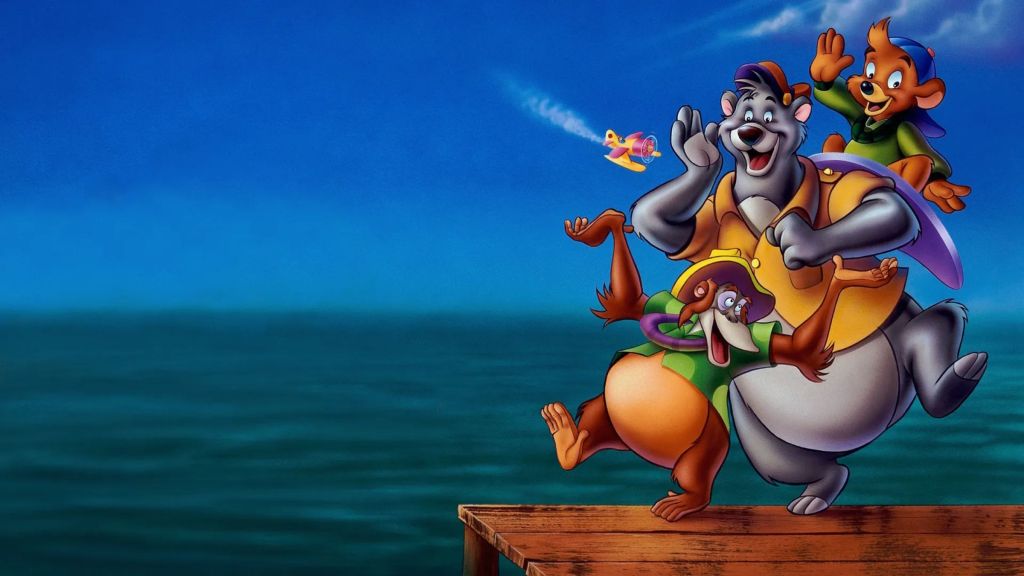
TaleSpin extracted Baloo, Louie, and Shere Khan directly from Walt Disney’s 1967 animated film The Jungle Book and dropped them into a completely original 1930s dieselpunk universe. The series reimagines the carefree bear Baloo (voiced by Ed Gilbert) as a highly skilled but financially irresponsible bush pilot operating out of the fortified coastal metropolis of Cape Suzette. When a shrewd businesswoman named Rebecca Cunningham (voiced by Sally Struthers) purchases his failing airline, Baloo must fly dangerous cargo runs across pirate-infested skies to buy back his beloved seaplane, the Sea Duck. This unusual premise allowed the writers to explore themes of economic hardship, corporate espionage, and aerial warfare within a children’s television format. Plus, the animators capitalized on the aviation-centric plotlines to deliver thrilling dogfights and skybound action sequences that rivaled cinematic releases.
4) Chip ‘n Dale: Rescue Rangers
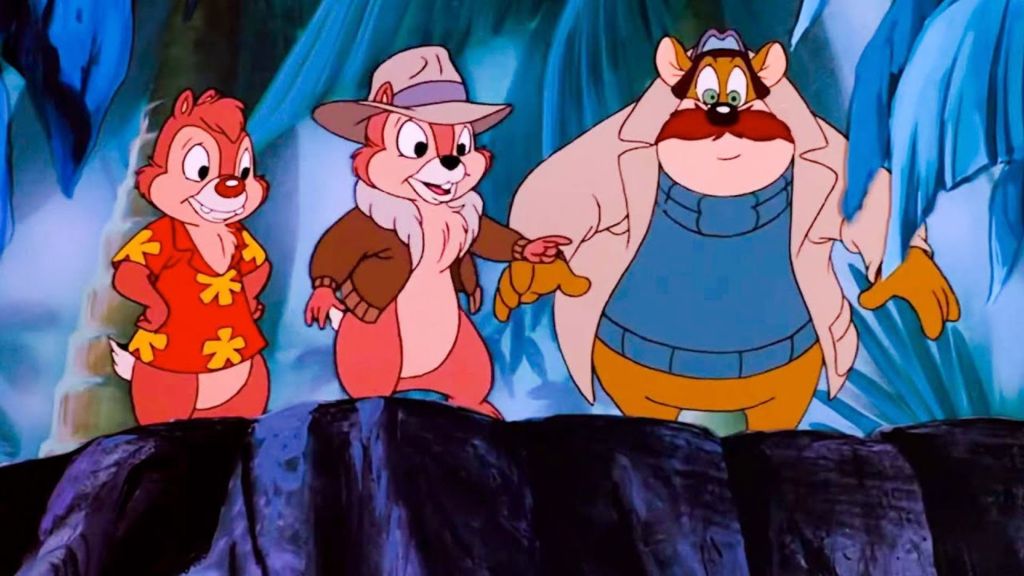
Chip ‘n Dale Rescue Rangers took the titular chipmunks from classic 1940s Walt Disney animated shorts and completely reimagined their story. The production strips the characters of their traditional antagonistic roles against Donald Duck and Pluto, instead framing Chip (voiced by Tress MacNeille) and Dale (voiced by Corey Burton) as the founders of a clandestine detective agency. Operating out of a hollowed-out tree, the diminutive sleuths tackle crimes deemed too small for the human police force to notice, which demanded a highly inventive approach to scale and set design, forcing the animators to construct gadgets and vehicles entirely out of discarded household objects. The series expanded the team dynamic by introducing original characters like the mechanically gifted mouse Gadget Hackwrench (voiced by Tress MacNeille) and the cheese-obsessed Australian mouse Monterey Jack (voiced by Peter Cullen), establishing a well-rounded ensemble that balanced slapstick comedy with engaging mystery-solving.
3) Darkwing Duck
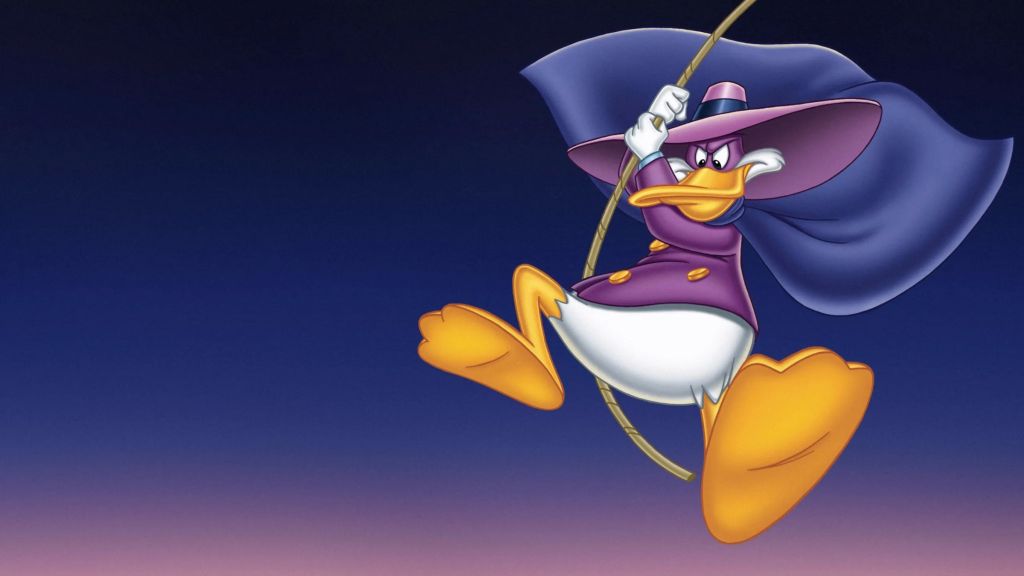
Created by producer Tad Stones, Darkwing Duck was a highly self-aware parody of pulp heroes like The Shadow and comic book vigilantes like Batman. The narrative centers on Drake Mallard (voiced by Jim Cummings), a suburban single father who fights crime in the neon-lit city of St. Canard under a cape and wide-brimmed hat. Stones specifically designed the protagonist to be driven heavily by an inflated ego and an unyielding desire for public recognition, resulting in a deeply flawed hero whose arrogance often causes more problems than the actual supervillains he faces. The introduction of his energetic adopted daughter, Gosalyn Mallard (voiced by Christine Cavanaugh), anchored the vigilante’s narcissism with genuine paternal affection. This precise combination of silver-age comic tropes and grounded family dynamics elevated the production far beyond a standard crime-fighting procedural.
2) Gargoyles
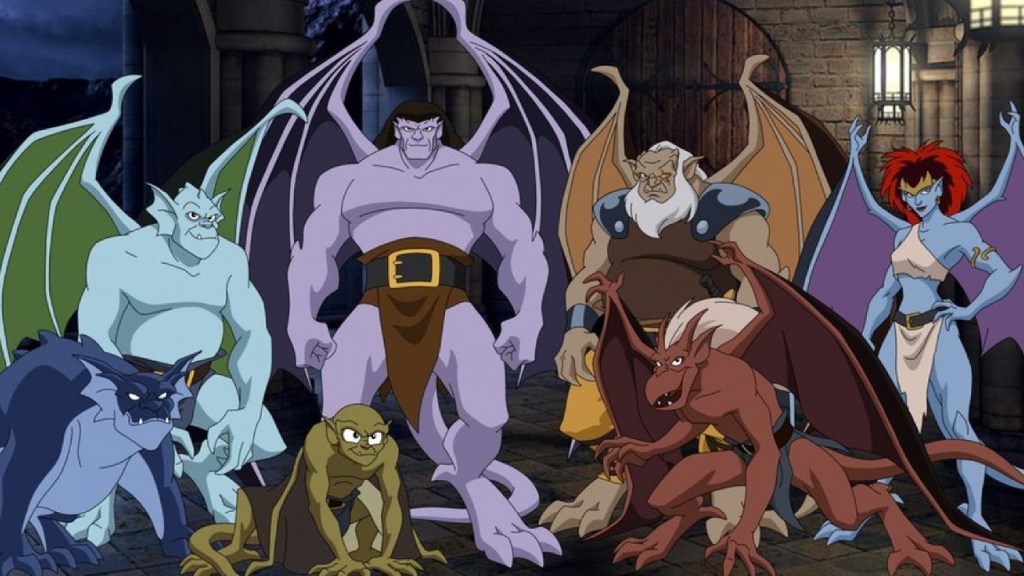
Developed by Greg Weisman, Gargoyles traces the tragic history of ancient Scottish stone guardians who are betrayed by the humans they swore to protect in the year 994, only to be cursed and eventually awakened in modern-day Manhattan. Led by the warrior Goliath (voiced by Keith David), the displaced clan must learn the rules of a technologically advanced society while battling corporate corruption, rogue magic, and highly sophisticated cybernetic threats. While the premise og Gargoyles was already unique, the writing staff actively incorporated Shakespearean themes from Macbeth and A Midsummer Night’s Dream, allowing the characters to be morally complex and trusting ht audience to handle lasting consequences. Due to its uncompromising dedication to mature storytelling and intricate continuity, Gargoyles remains an achievement in television animation.
1) DuckTales
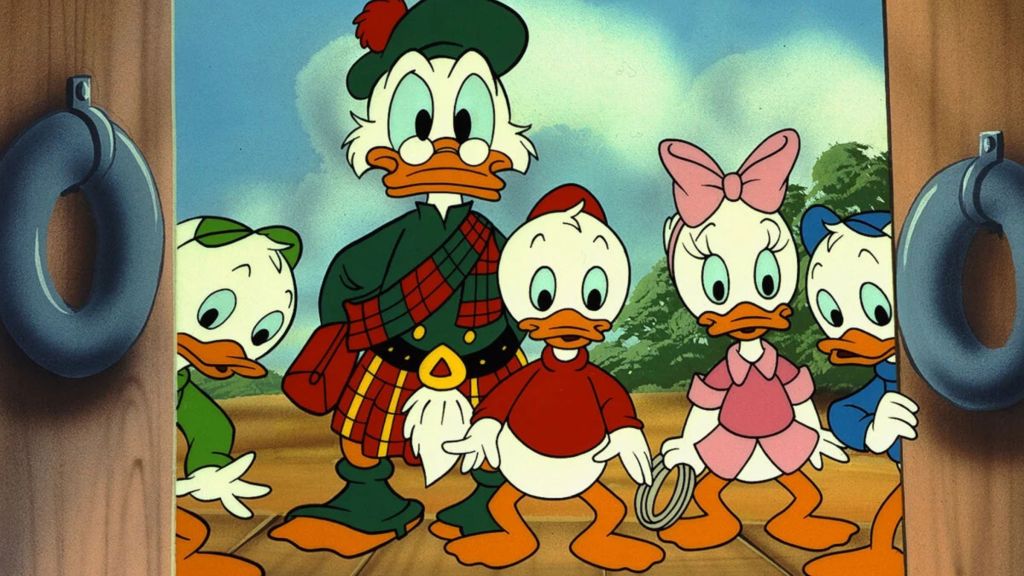
Walt Disney Television Animation took a massive financial risk by committing $20 million to the initial 65-episode order of DuckTales. The investment allowed the 1987 production team to utilize Tokyo Movie Shinsha for the animation, resulting in a fluid visual style that eclipses the competition. Furthermore, the series drew heavily from Carl Barks’ Uncle Scrooge comics, translating decades of serialized adventures and globe-trotting treasure hunts into a format that proved afternoon audiences would invest in serialization. DuckTales‘s success convinced Disney to produce more high-quality animated shows to distribute on afternoons, a process that led to the creation of the Disney Afternoon Block. The series was so popular that the theatrical film DuckTales the Movie: Treasure of the Lost Lamp followed in 1990, and the franchise was successfully rebooted from 2017 to 2021 for 69 additional episodes.
Which Disney Afternoon series do you consider the most rewatchable today? Leave a comment below and join the conversation now in the ComicBook Forum!
More TV Shows
-
image courtesy of apple tv+
![Dan Stevens Breaks Silence on RoboCop Casting And What He Wants to Preserve From Original Movie [EXCLUSIVE]](https://comicbook.com/wp-content/uploads/sites/4/2026/08/dan-stevens-robocop.jpg?w=300)