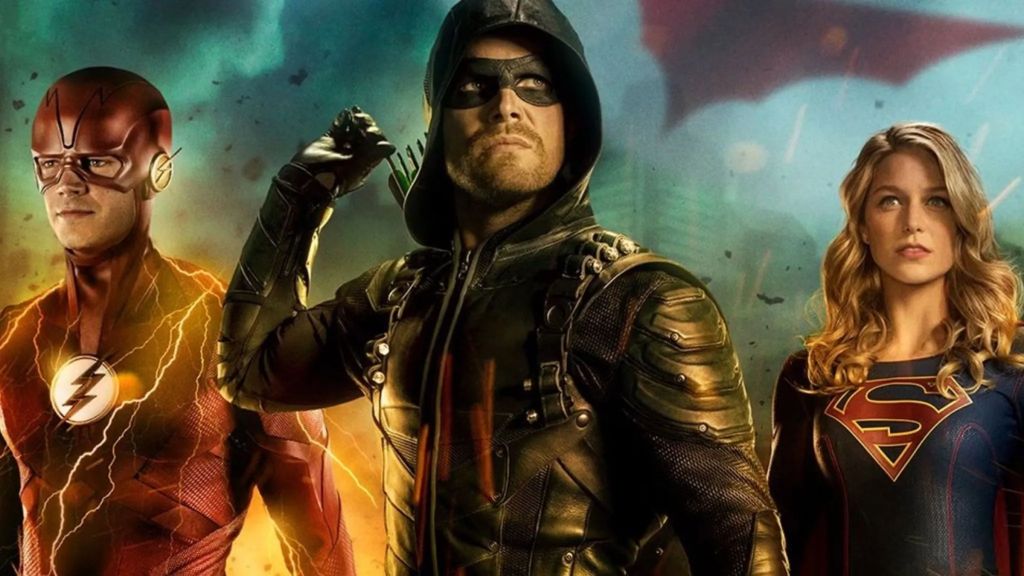
Although the DCU is the new live-action home for DC characters, fans of the comics previously had two outlets: the Arrowverse and the DCEU. The two competing cinematic universes both offered their own takes on what a live-action DC world could be. The Arrowverse built its DC universe through TV shows, while the DCEU used blockbuster movies to do the same. While fans of DC were divided between the two cinematic universes at the time, in retrospect, there is a clear winner: the Arrowverse.
Videos by ComicBook.com
The Arrowverse got its start with the CW series Arrow, before expanding with shows like The Flash, Supergirl, Legends of Tomorrow, and more. Meanwhile, the DCEU got its start with Man of Steel and continued with other Zack Snyder movies like Batman v Superman: Dawn of Justice and Justice League before branching out in all kinds of other directions.

7) The Arrowverse Was Built Up Slower Than The DCEU
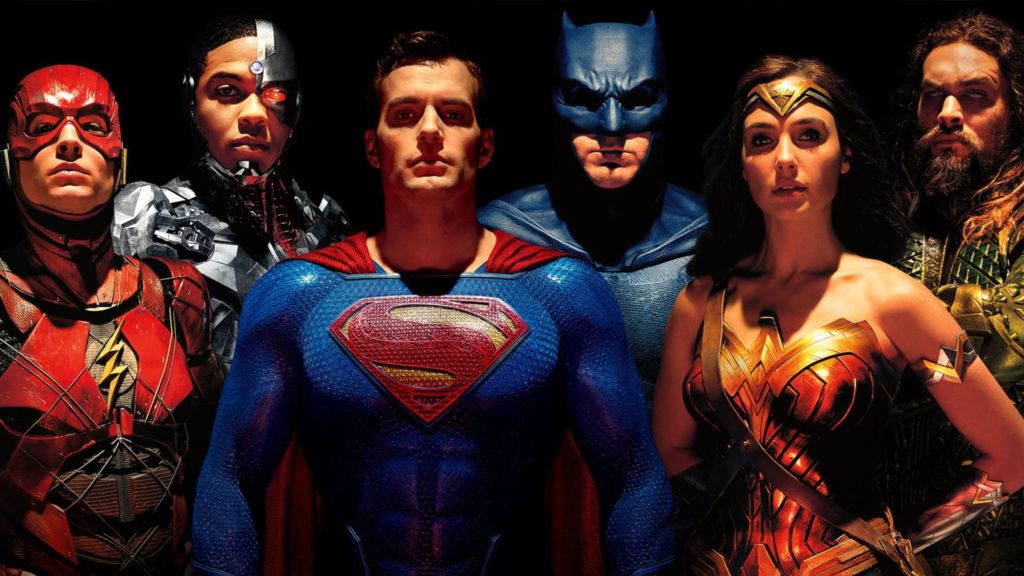
Critics of the DCEU often cite the rush to build a cinematic universe as the universe’s fatal flaw in its early years. A solo Superman movie was a good start, but the franchise immediately jumped into Batman v Superman: Dawn of Justice before even giving Batman his own solo movie. The film then introduced Wonder Woman, Aquaman, Cyborg, and The Flash, the latter three of which appeared in Justice League before their own solo movies.
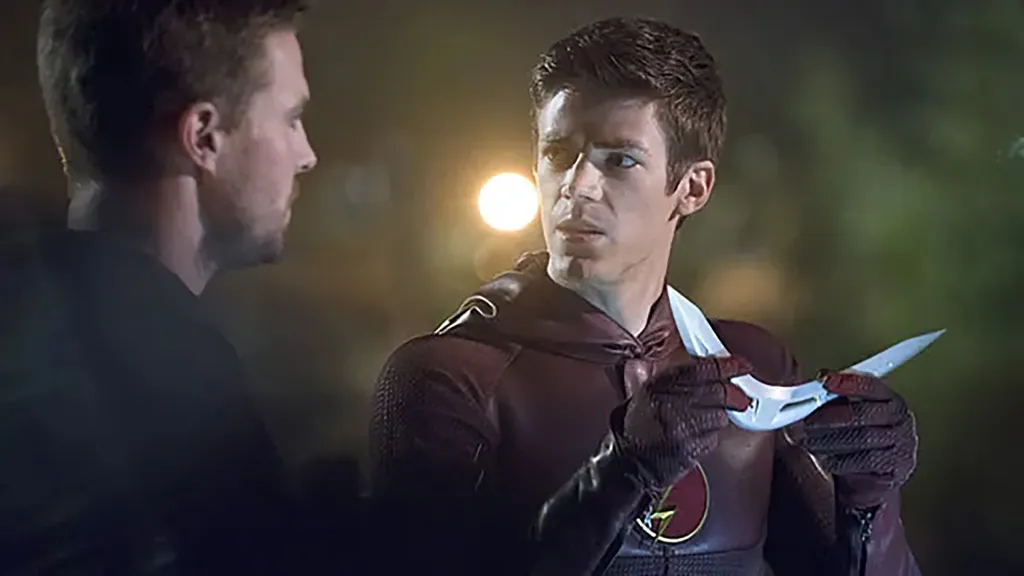
Meanwhile, the Arrowverse had a much slower build. Arrow was releasing its third season when The Flash premiered, and major crossover events didn’t happen until much later. Most of the characters appeared in their own shows before being thrown into a team-up. Even if they didn’t, the comparatively long runtimes gave the projects more room to develop side characters.
6) The Arrowverse Used A Wider Variety Of DC Heroes
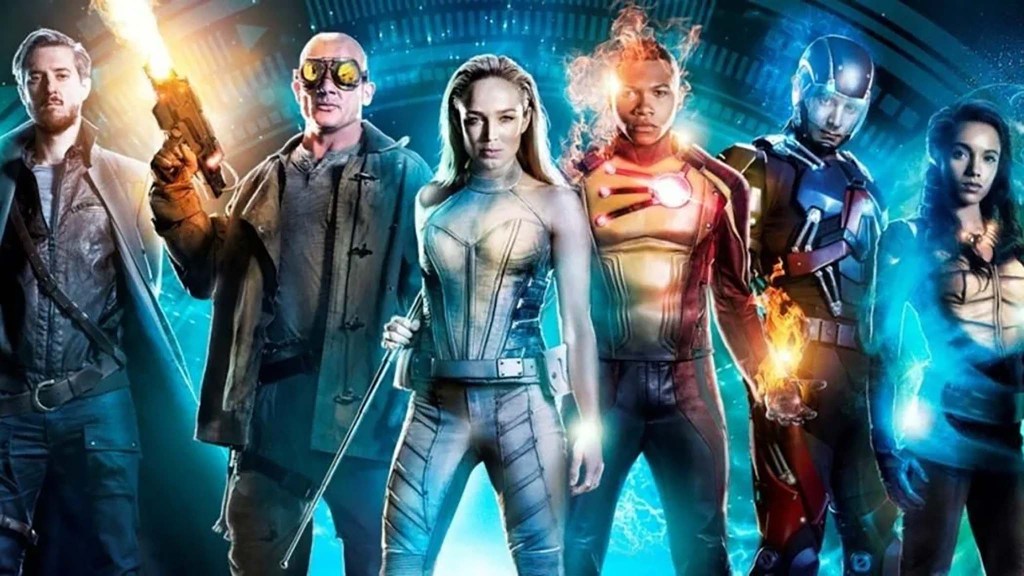
The DCEU focused on all of the Titans of DC, with Batman, Superman, and Wonder Woman appearing early in the cinematic universe, and characters like Aquaman, The Flash, Shazam, Harley Quinn, and more getting the focus later.
While many of these Justice League mainstays didn’t appear in the Arrowverse, the show did give a spotlight to many characters who so rarely get it. The entire universe is named after Green Arrow, who never appeared in the DCEU. Plus, other shows used lesser-known characters like Batwoman, Black Lightning, White Canary, Atom, Firestorm, Hawkman, and more as stars.
5) The DCEU Was Constantly Changing Plans (& The Arrowverse Wasn’t)
Arguably, the most interesting part of the DCEU was the behind-the-scenes mess of the franchise’s productions. The movies were constantly pivoting, with the franchise moving away from Zack Snyder’s vision for a more colorful and comedic brand in the late 2010s. Then, the DCEU decided to focus on Dwayne Johnson’s Black Adam, with this plan even causing DC to bring back Henry Cavill’s Superman. However, this plan never went anywhere.
While not everything went according to plan for the Arrowverse, its production changes weren’t constantly in the public’s face. The post-production changes to projects like Justice League and Suicide Squad don’t have a parallel in the Arrowverse, which is a major plus for the TV universe.
4) The Arrowverse Was A More Cohesive Universe
The DCEU never felt like one complete story after the changes to Snyder’s original vision for Justice League. Many setups never got paid off, such as The Flash’s flash-forward warning to Batman, Darkseid’s appearance in Justice League, and Superman’s appearance in Black Adam. The wildly different tones and types of stories never made it seem like these characters existed in the same universe, especially thanks to constant retcons and story changes.
Again, this is a problem the Arrowverse thankfully avoided. While the franchise did have a variety of stories, most of the shows featured consistent crossovers and the same campy style.
3) The Arrowverse’s TV Format Gave It More Room To Grow
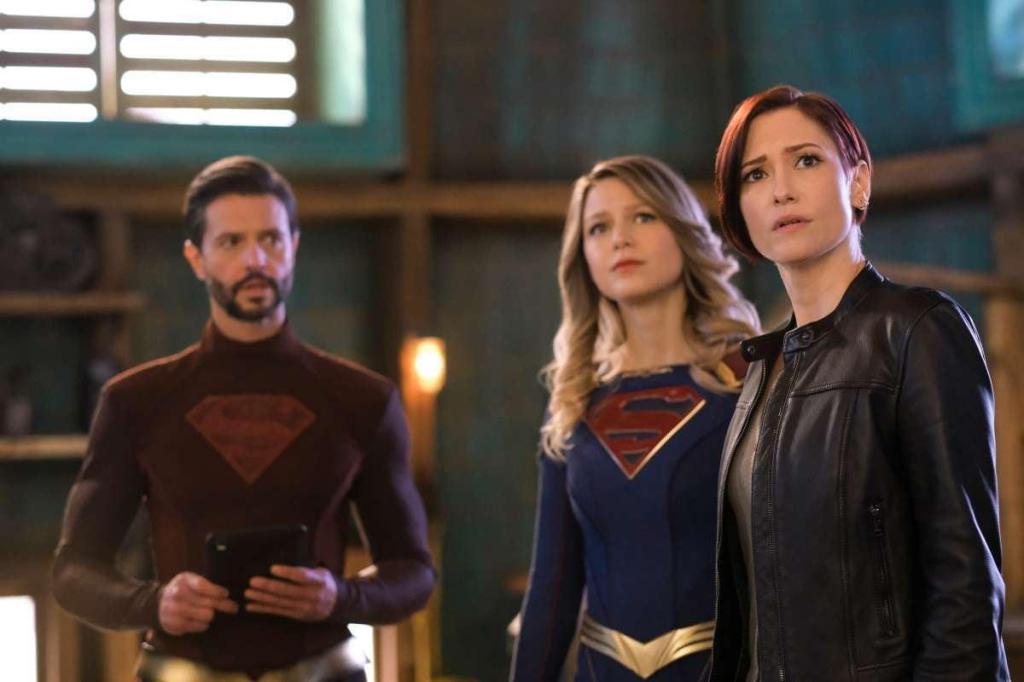
The DCEU was very limited with what stories it could tell, as it only used multi-million dollar blockbusters to build the series out. Meanwhile, the shortest Arrowverse show had three seasons, and the longest had nine. Each season had 10 to 23 episodes, meaning that the Arrowverse had hundreds more hours to flesh out its characters, story, and world.
2) Crisis On Infinite Earths Was a Better Multiverse Story than The Flash
Even though everyone knew that the DCEU was coming to an end, 2023’s The Flash was supposed to be the universe’s big multiverse crossover story. However, the film was critically panned upon its release, and it was a major commercial flop. The Flash mostly focused on the Tim Burton Batman movies and previous DCEU characters, while bringing older DC characters back from the dead through the controversial use of CGI.
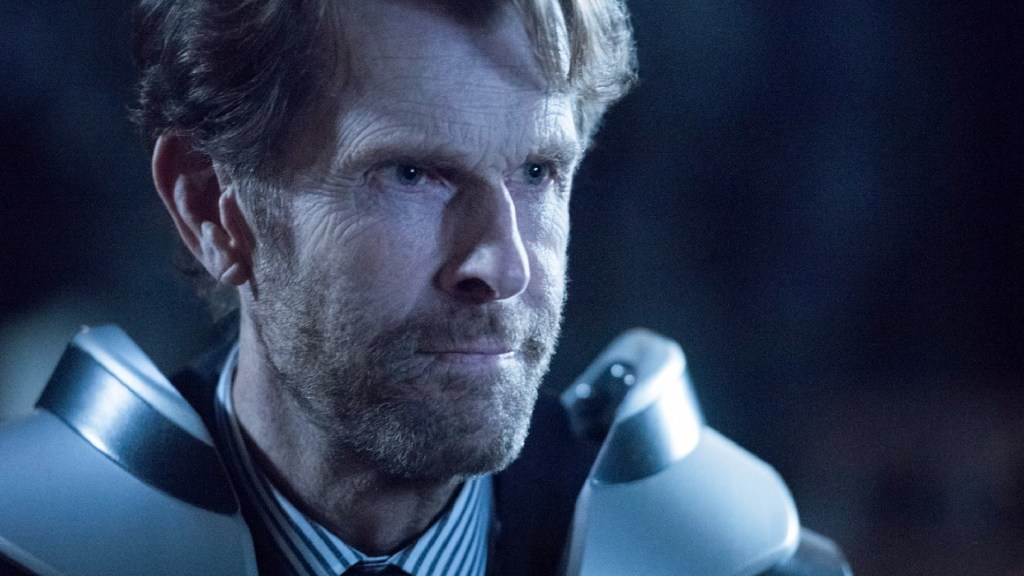
Meanwhile, the Arrowverse adapted Crisis on Infinite Earths for its multiverse story, and it was far better. The Arrowverse’s crossover spanned several episodes, and featured characters from the Tim Burton Batman movies, Titans, the 1960s Batman show, Smallville, the DCAU, Doom Patrol, and the DCEU.
1) The Arrowverse Wasn’t Competing With a Marvel Counterpart
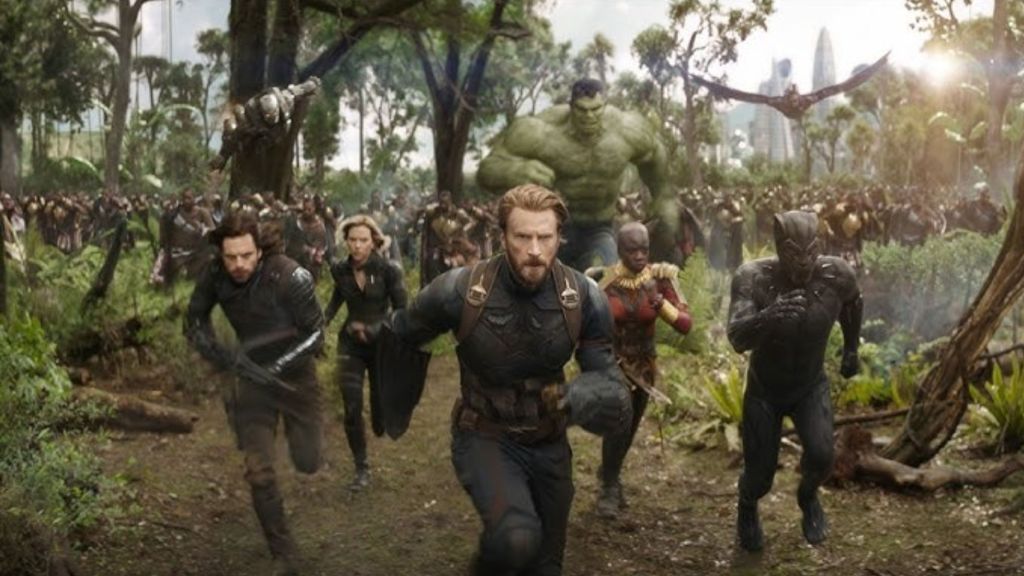
Finally, the biggest difference between the two was that the MCU didn’t have a live-action TV universe that it was competing with. Most of the aforementioned problems with the DCEU came from the DCEU’s attempt to play catch-up with the MCU. The DCEU failed to mimic the tone, story structure, or characters of the MCU, meaning that it also didn’t mimic the popularity or critical success.
Meanwhile, the Arroverse wasn’t a pale imitation of anything Marvel was doing. Marvel did have the Netflix shows, but they tied into the MCU and weren’t a competitor for what the Arrowverse was attempting. The Arrowverse was much more popular than these shows, meaning that it got to set the tone and pace, and the praise and popularity followed.
Which DC universe do you think is better? Leave a comment below and join the conversation now in the ComicBook Forum!
Most Viewed
-

Image courtesy of Marvel Studios -
Image Courtesy of Netflix -

Image courtesy of Square Enix -
Courtesy of Kadokawa / Shosetsuka ni Naro