As celebrated as the Avengers may be, the X-Men have always been one of Marvel’s most successful animated franchises. There’s a sense in which the ’90s were their biggest decade, with a massive comic book relaunch coming alongside the classic X-Men: The Animated Series. The X-Men’s success was the reason Fox chose to buy the license from Marvel, launching a blockbuster film franchise that continues to shape the movies today; Marvel has already confirmed returning X-Men stars for Avengers: Doomsday.
Videos by ComicBook.com
And yet, for all that’s the case, there’s a sense in which animated TV shows will always be the best medium for Marvel’s merry mutants. That’s because their adventures are perfectly suited for a longer-form episodic format, while the infinite potential of animation means the shows can pull off special effects on an incredible scale. There have been five animated X-Men shows to date, each with a unique approach; how do they compare?
7) Pryde of the X-Men
Originally broadcast in 1989, Pryde of the X-Men was a television pilot that sadly didn’t lead to a full series renewal due to financial issues at the House of Ideas. Narrated by Stan Lee himself, the pilot featured a Second Genesis team with a few differences; Kitty Pryde played a starring role (sadly portrayed as something of a damsel in distress), and Wolverine was cast as an Australian. According to casting director Rick Holberg, he was forced to make that choice “because all of this Australian stuff was popular at the time – the Mad Max films, “Crocodile” Dundee, and so on.”
Oddly enough, Pryde of the X-Men‘s legacy lies not in an animated show – but in the 1990 Uncanny X-Men game, which featured a near-identical lineup (with the exception of switching Dazzler for Iceman). It’s considered one of the worst superhero games of all time.
6) Marvel Anime
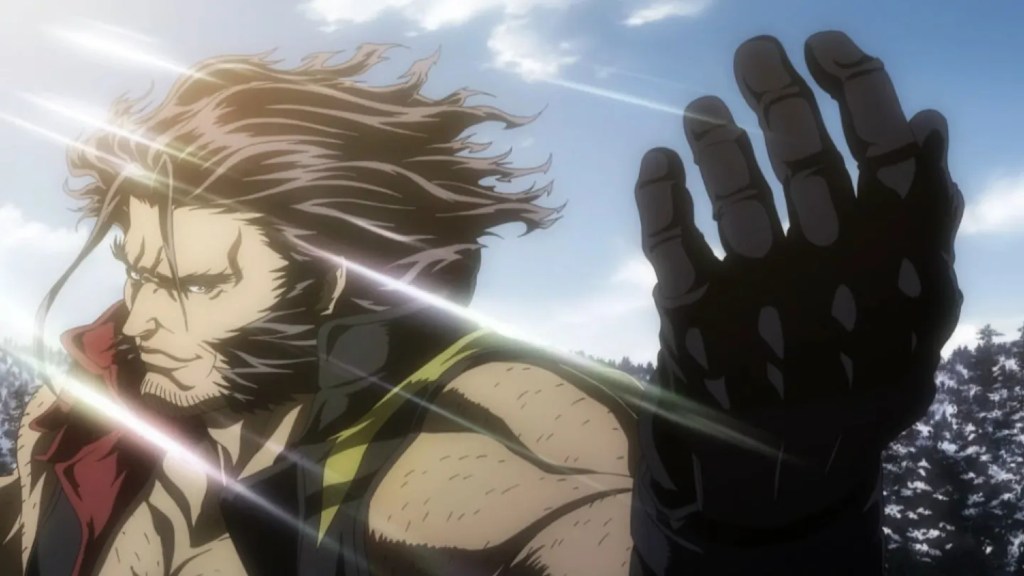
In 2010, the Japanese animation studio Madhouse launched a range of Marvel animes that included one 12-episode Wolverine series and another dedicated to the X-Men. The storytelling approach is very different to mainstream American shows – there’s a single ongoing narrative rather than standalones – and the animation is absolutely top tier. At the same time, the animated shows come in for mixed reviews due to an attempt at some mature themes that don’t quite work.
Characterization is generally good, but far from perfect; Storm in particular feels a lot weaker than her comic book version, and has been handled far better in other shows. Still, the rivalry between Cyclops and Wolverine is played well, and Wolverine is handled better in the X-Men anime than in his solo story.
4) X-Men: Evolution
Launching in 2003 and running for a staggering four seasons, X-Men: Evolution is one of the boldest animations on this list. It’s a complete departure from the traditional X-Men stories, riffing on the idea of Professor X as headmaster of a “School for Gifted Youngsters.” The main X-Men are teenagers, with only a handful of adults like Wolverine and Storm acting as mentors, and the plot dares to head in some pretty unique directions. X-Men: Evolution will always be fondly remembered for introducing Wolverine’s female clone X-23, who’d make her way into the comics and on to the big screen.
X-Men: Evolution features a stellar vocal cast, fantastic writing, and some great character arcs. It’s something of an acquired taste among some parts of the fandom because it really isn’t comic-book-accurate; it led to a popular ship of Cyclops and Rogue, for example, one that comic readers would never have seen coming. Still, consider this highly recommended and very enjoyable indeed.
3) Wolverine and the X-Men

Releasing in 2009, Wolverine and the X-Men will always go down as one of the most frustrating Marvel shows of all time – simply because it only lasted a single season. Inspired in part Joss Whedon’s Astonishing X-Men run (particularly in terms of character designs), this saw Wolverine reassemble the X-Men a year after tragedy struck the X-Mansion. It’s another unique reinterpretation of the X-Men, not least because of a much darker, grittier version of Cyclops who clashes with team leader Wolverine – a smart inversion of their typical rivalry.
Wolverine and the X-Men has smart storytelling, strong character-work, and some phenomenal twists and turns as it heads towards the season 1 finale. It unfortunately ends on a massive cliffhanger, but the second season was pulled due to financial problems. Given Marvel has started reviving older animated shows of late (see X-Men ’97), some are desperately hoping Wolverine and the X-Men will return as well.
2) X-Men: The Animated Series
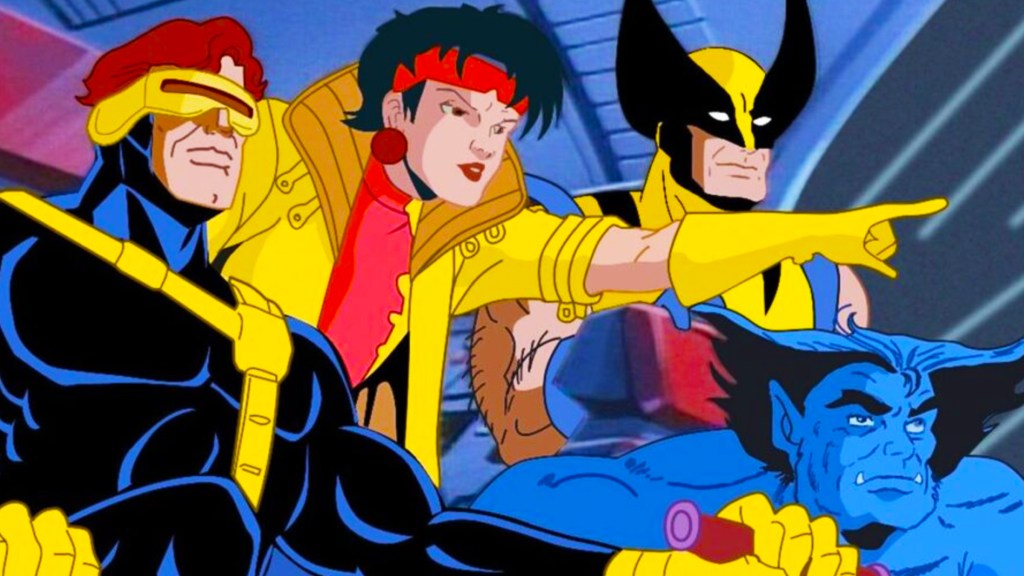
It seems almost heretical putting the 1992 X-Men: The Animated Series second on this list. This was, after all, the TV show that put the X-Men on the map; it ran from 1992 to 1997, established the X-Men’s bona fides ahead of their film debut, and is often seen as the most iconic portrayal of mutants to date. The core problem, though, is that storytelling and even animation is not consistent; budgets were slashed, and Marvel literally changed animation studios. It was a big mistake.
X-Men: The Animated Series may be flawed, but it will always have an incredible reputation. For every poorer episode, there are a dozen strong ones; think the introduction of Nightcrawler, Professor Xavier’s adventures in the Savage Land, and a version of the Phoenix Saga infinitely better than anything ever seen on the big screen.
1) X-Men ’97
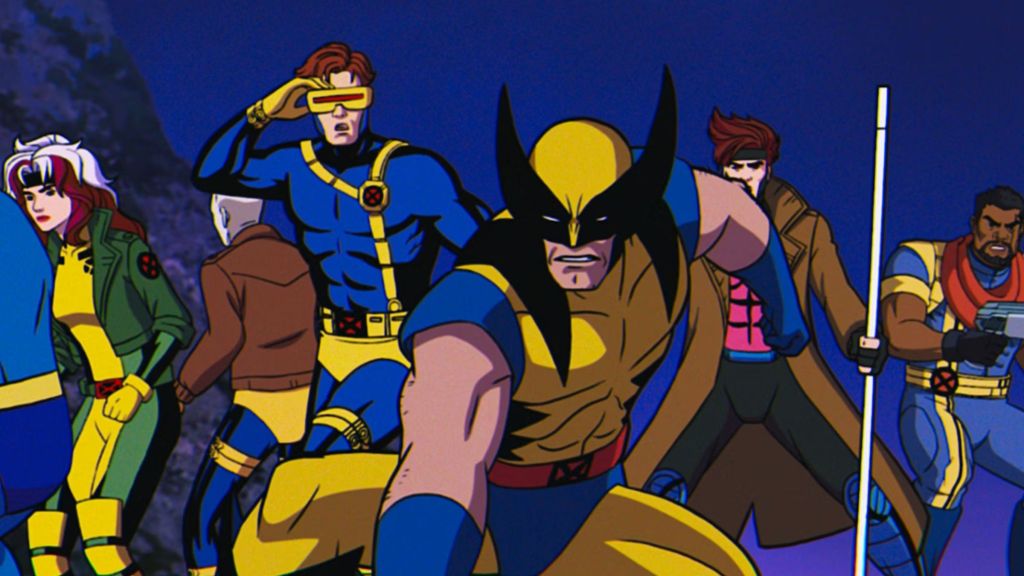
Releasing in 2024, Marvel’s new X-Men ’97 is a revival of that classic series that blends nostalgia with fresh storytelling and some pretty dark twists. X-Men ’97 season 1 drew on some major arcs from the Grant Morrison era, updating the X-Men franchise for the 2020s. Smart writing was unafraid to take unexpected twists, and the cliffhanger ending is perfect setup for a second season that’s due out in the summer of 2026.
The first season, which ran for 10 episodes, had a consistently of quality that puts it (just) above X-Men: The Animated Series. It remains to be seen whether the second season will keep it in first place on this list; viewers will have to decide that for themselves.
What do you think? Leave a comment below and join the conversation now in the ComicBook Forum!
Most Viewed
-

Image Courtesy of MAPPA -
Image courtesy of Marvel Studios