The X-Files became a transformative force in the history of television by synthesizing procedural drama with elements of science fiction and gothic horror. Before the debut of the series in 1993, the industry maintained a strict separation between episodic crime stories and the sprawling narratives of genre fiction. Creator Chris Carter dismantled these conventions by introducing a serialized conspiracy that served as the connective tissue for disparate “Monster of the Week” investigations. This innovative structure allowed the production to tap into deep-seated cultural anxieties regarding government accountability and the potential for extraterrestrial contact. As a result, the show established the blueprint for modern event television, fostering a dedicated global community that fundamentally altered the relationship between creators and their audience.
Videos by ComicBook.com
While the original nine-season run of The X-Files remains a definitive cultural touchstone, the subsequent revival seasons released in 2016 and 2018 received a divisive reception that highlighted the challenges of modernizing the property. These later installments often struggled to reconcile the specific paranoia of the 1990s with the complexities of a hyper-connected digital landscape, resulting in a fractured mythology that lacked the narrative focus of the earlier work. This friction has led to a reboot overseen by director Ryan Coogler. This new iteration faces the significant task of honoring the foundational elements of the source material while evolving the narrative to address the unique political and social realities of the present day.
5) Institutional Paranoia

The appeal of The X-Files narrative was built upon a foundation of deep-seated systemic distrust, reflecting a post-Watergate cultural landscape where the American public began to question the transparency and motives of government agencies. Within the narrative, the existence of a “Shadow Government” or “The Syndicate” provided a tangible antagonist that operated beyond the reach of traditional law enforcement. This unseen force was responsible for suppressing evidence of extraterrestrial life and conducting unethical experiments on unsuspecting citizens, creating a sense of constant vulnerability for the protagonists. For Ryan Coogler’s reboot to succeed, it must identify a contemporary equivalent to this institutional secrecy. Modern paranoia is increasingly decentralized and digital, requiring the new series to examine how information is manipulated in an era of mass surveillance and algorithmic control.

4) Scientific Integrity

The exploration of hidden truths requires a grounded perspective to maintain narrative weight, which the original The X-Files achieved through the scientific integrity of its investigations. Dana Scully (Gillian Anderson) served as the essential anchor of empiricism, utilizing her background as a medical doctor and forensic pathologist to challenge the more fantastical claims of her partner. Her dedication to the scientific method ensured that the supernatural elements of the story were treated with a level of professional rigor rarely seen in the genre, making the discovery of alien artifacts or anomalous pathogens feel like legitimate scientific puzzles rather than mere plot devices. Coogler’s reimagining must prioritize a similar level of intellectual skepticism within The X-Files reboot, anchoring the paranormal in a world of rigorous evidence.
3) Practical Atmospheric Design

During its early production years in Vancouver, The X-Files utilized desaturated tones and naturalistic lighting to create a world of perpetual dampness and gloom. This atmospheric design turned the environment into an active participant in the story, where the darkness of the Pacific Northwest became the primary canvas for hidden horrors. Mark Snow’s haunting score further complemented this visual texture, using minimalist synth arrangements to build a sense of lingering unease. The combination of these practical elements allowed the show to evoke terror through suggestion rather than digital spectacle. On the contrary, modern television often relies on high-definition cinematography that can unintentionally diminish the sense of mystery. For The X-Files reboot to capture the spirit of its predecessor, it must re-establish a moody and tactile visual palette, prioritizing practical effects instead of CGI.
2) The Standalone Format
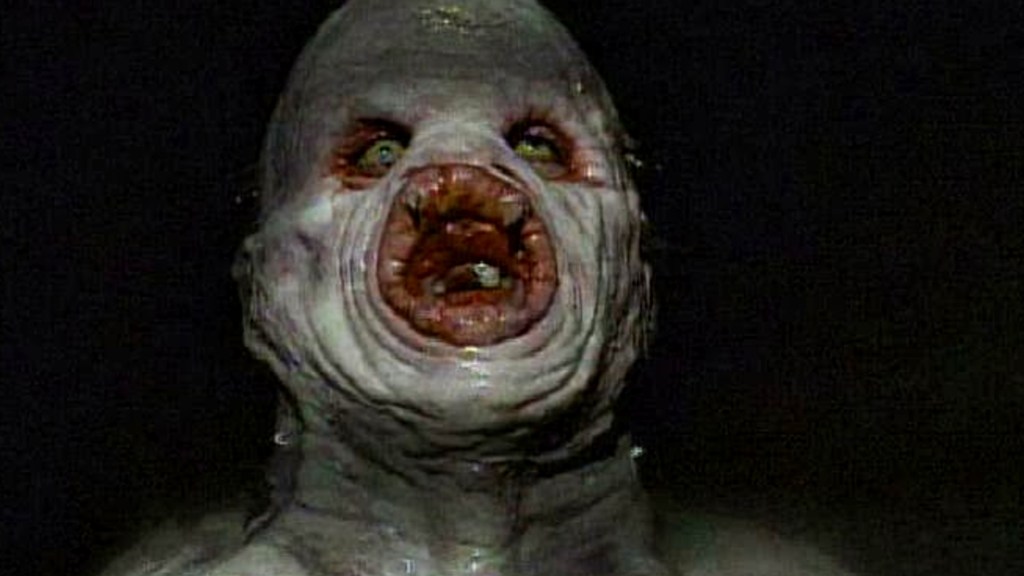
While The X-Files has a central storyline, the series also thrives thanks to the “Monster of the Week” episodes. These self-contained narratives allowed the series to function as an anthology of horror and science fiction, exploring diverse legends ranging from genetic mutants to ancient folklore. This episodic structure provided a necessary reprieve from the increasingly complex government conspiracy, preventing the broader mythology from becoming overwhelming for the audience. Furthermore, the standalone format encouraged the writing staff to experiment with different tones, including dark comedy and psychological drama. The revival seasons of The X-Files faltered by leaning too heavily into a convoluted overarching plot, which often lacked the narrative clarity of the individual cases. Coogler already confirmed The X-Files reboot will feature cases-of-the-week episodes, so hopefully these installments will embrace unique mysteries that reward both casual viewers and dedicated lore enthusiasts.
1) The Intellectual Lead Dynamic
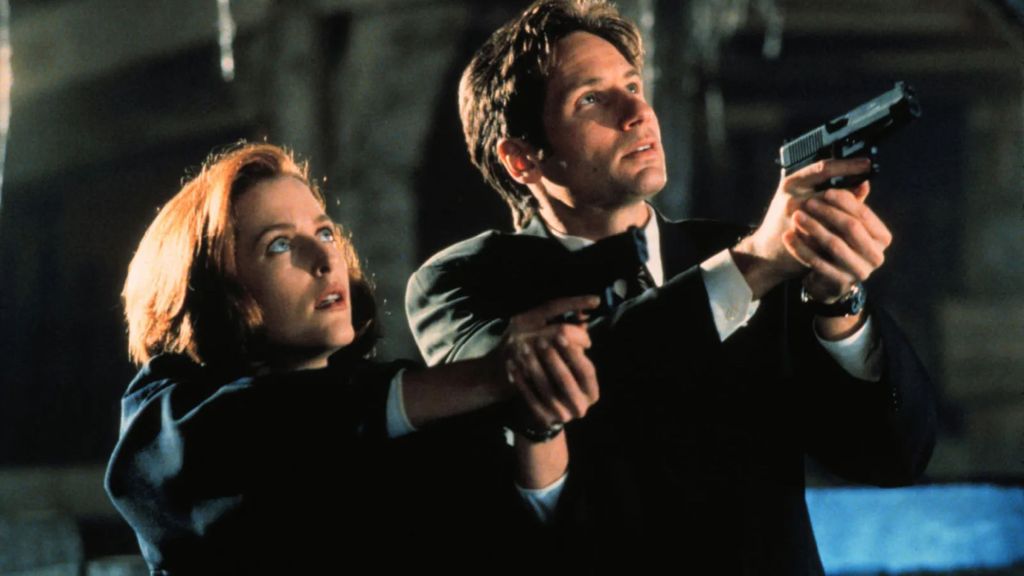
The partnership between Fox Mulder (David Duchovny) and Dana Scully in The X-Files became the definitive template for procedural duos, built on mutual respect rather than simple romantic tension. Their dynamic also functioned through a constant friction between Mulder’s intuitive leaps of faith and Scully’s unwavering commitment to empirical proof. This ideological conflict ensured that every case was scrutinized from two opposing viewpoints, forcing the audience to weigh the evidence alongside the characters. The new Agents in the reboot must possess a similar level of chemistry to drive the story forward, which is not an easy feat. The reboot already cast Danielle Deadwyler as one of the new leads, so we look forward to getting to know her partner and seeing them interacting on screen.
Which element from the original The X-Files series do you think is most vital for Ryan Coogler to preserve in the upcoming reboot? Leave a comment below and join the conversation now in the ComicBook Forum!
More TV Shows
-

Sony Pictures Releasing