There is something strange about how the Soulslike conversation has narrowed over the years. For a genre built on experimentation and obsession, the discussion around its best entries has become surprisingly rigid. Certain names come up every time, certain design philosophies are treated as gospel, and anything that steps too far outside that conveniently little comfort zone tends to get quietly sidelined.
Videos by ComicBook.com
That is exactly where Nioh has lived for years now. The Nioh series is not just good. It is not just “hardcore.” It is one of the most mechanically refined and demanding Soulslikes ever made, yet it rarely shows up in conversations about the genre’s greatest works. With Nioh 3 on the horizon, that quiet dismissal is starting to look more like a blind spot spawned of ignorance. Nioh was never trying to be the most accessible Soulslike. It was trying to be the deepest one, and that choice is both why it has gone overlooked for so long and why Souls fans owe it a serious second look.
Why Nioh Never Found Mass Appeal Among Souls Fans
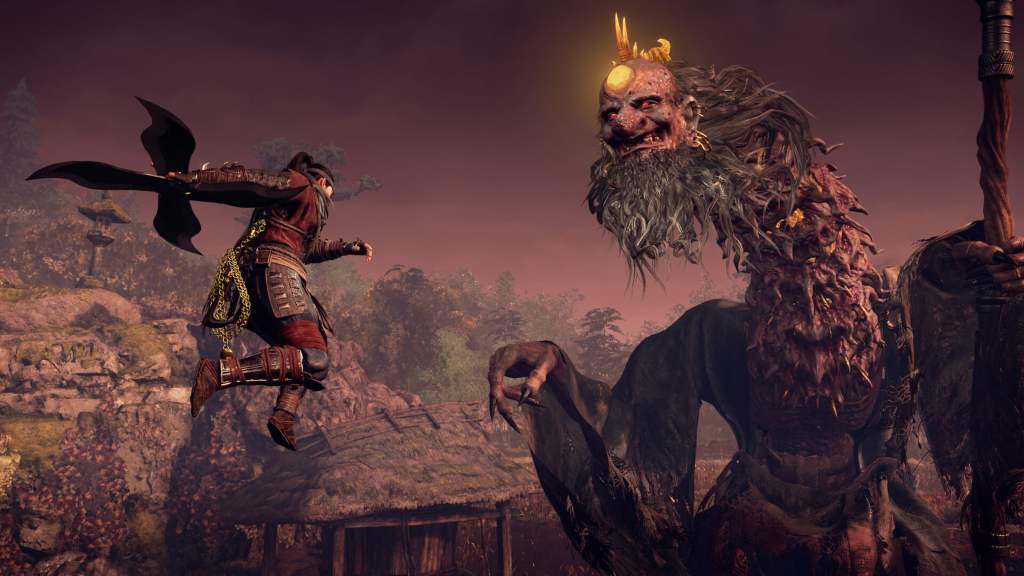
The biggest reason Nioh never found mass appeal is also the most obvious one. It asks more of the player than most Soulslikes ever dared to. Where Dark Souls and Elden Ring ease players into their systems through exploration and atmosphere, Nioh hits you early with stances, ki management, weapon skills, enemy types, gear rarity, set bonuses, and a loot system that looks closer to Diablo than anything you’d find in the Lands Between. For some players, that is thrilling. For many others, it is overwhelming in a way that feels hostile instead of mysterious.

Nioh also rejects the romantic ambiguity that Souls fans often fall in love with. Up until Nioh 3, its levels have been mission-based rather than seamlessly interconnected. Its story is more direct, grounded in history and character rather than vague myth. Bosses are often aggressive skill checks rather than slow, learnable dances. Even its combat rhythm feels different. It is faster, sharper, and more technical, rewarding precision and mastery over patience and caution (although these are still critical for success). For players who associate Soulslikes with quiet exploration and melancholic discovery, Nioh can feel like it is speaking an entirely different language.
Then there is the loot. Nioh’s gear system alone has turned a lot of Souls fans away over the last decade. Instead of carefully curated weapon finds, you are drowning in swords, spears, axes, armor pieces, and modifiers. To some, this felt messy or unnecessary, like busywork layered on top of an already difficult game. Nioh did not simplify itself to be more welcoming, and it never pretended to be something it was not. That refusal to compromise is why it struggled to break into the mainstream Soulslike conversation, despite being one of the absolute best ones you can play.
Why Nioh’s Depth Is Exactly What Souls Fans Are Missing
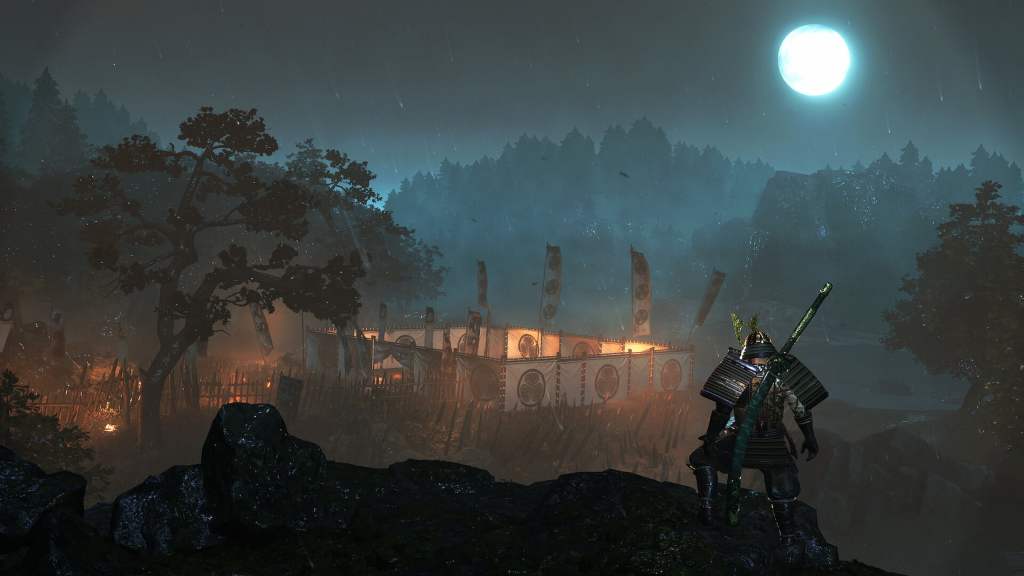
Listen carefully. This is important: What makes Nioh special is that every one of those barriers surrounding it becomes a strength once you commit to it. The stance system alone offers more combat expression than any other Soulslikes in existence, eclipsing even Dark Souls 3 and Elden Ring. Ki pulsing transforms stamina management from a limitation into an active “reload” mechanic that rewards timing and awareness. Combat in Nioh is not about surviving encounters. It is about mastering them, and that distinction matters a ton.
The loot system, once understood, becomes a tool for experimentation rather than clutter, allowing for a level of build variety that you will not find anywhere else in the genre. Builds in Nioh are not theoretical. They are felt immediately. Weapon passives, armor sets, Guardian Spirits, Yokai abilities, and skill synergies all push you toward playstyles that dramatically change how the game feels. Few Soulslikes allow players to specialize with this level of clarity and payoff, and even fewer reward that specialization so consistently.
Most importantly, Nioh respects player growth in a way that feels almost old-school. It does not flatten the difficulty curve to make you feel powerful. It is more than happy to flatline you because it does not care about your feelings or that you might cut the game off early. It raises the ceiling and dares you to climb. By the time Nioh clicks, you are not just reacting to enemies. You are controlling the flow of combat. You bait attacks, break ki, punish mistakes, and dismantle encounters that once felt impossible. That sense of earned dominance is rare, even in a genre built around challenge. Nioh does its deeds to test you. It teaches you how to win on its terms, and your own. If that does not yet make sense to you, you need to try Nioh to understand.
Nioh was never overlooked because it lacked quality. Far from that. It was overlooked because it refused to sand down its edges. As Nioh 3 approaches and the Soulslike genre continues to expand, it feels like the right moment to reassess what depth actually looks like. For Souls fans who crave mastery, mechanical freedom, and combat systems that reward obsession, Nioh should not be an outlier. It should be the benchmark. And if you have been sleeping on it, now is the time to wake up and smell the Yokai.
Nioh 3 will officially launch February 5, 2026, on Windows PC (Steam) and PS5.
What do you think? Leave a comment below and join the conversation now in the ComicBook Forum!
Most Viewed
-

Image Courtesy of Marvel Comics -

Netflix / Sony Pictures Animation