Anime is filled with protagonists who are meant to be inspiring but often end up being the weakest link in their own stories. When a hero constantly wins through sheer luck, unexplained power, or charisma that bends reality, it stops being storytelling and turns into fan-service. These characters are protected by the narrative itself, making every challenge meaningless. The audience is told to cheer, not to think, and that hollow heroism dulls what could have been emotional or moral depth.
Videos by ComicBook.com
What makes the worst protagonists truly unbearable is how little they evolve. They mistake stubbornness for conviction and loud speeches for insight. Instead of questioning their own flaws, they drag the world around them into predictability. Bad protagonists fail not because they’re weak, but because they’re static.

10. Eren Yeager — Attack on Titan

Eren starts off as a fiery symbol of defiance, a boy who wants freedom at any cost. But as his story unfolds, his ideals collapse under the weight of vengeance. What begins as righteous fury turns into genocidal obsession, leaving entire civilizations in ruin. His descent blurs every moral line, showing how a hero can become a monster when purpose mutates into fanaticism.
What makes Eren’s downfall so frustrating is that he drags everyone down with him. His actions nullify years of character growth and moral debate within the series. Instead of liberation, he delivers despair. Watching him justify the massacre of innocents strips away any remaining empathy, reminding viewers that noble intent means nothing when the outcome is complete annihilation.
9. Kirito — Sword Art Online

Kirito is marketed as the ultimate gamer hero, but his story quickly becomes a power fantasy gone stale. He’s overpowered to the point of absurdity, defusing tension in every fight before it begins. The series treats him like a flawless savior rather than a struggling survivor, robbing the narrative of real stakes. His relationships feel mechanical, and his constant dominance smothers any development in those around him.
Kirito rarely reflects on the trauma of being trapped in a death game, nor does he grow in meaningful ways across arcs. Side characters exist only to praise or depend on him, making his victories hollow. What could have been a story about human endurance turns into a bland ego trip for an unshakeable protagonist.
8. Subaru Natsuki — Re:Zero
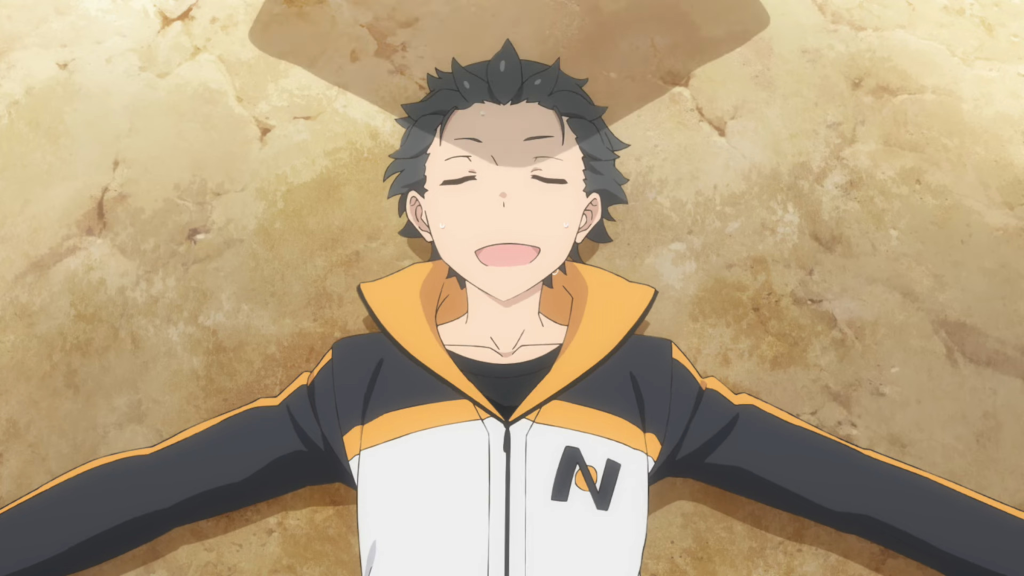
Subaru’s concept — dying and reviving to fix his mistakes — sounds profound, but his execution is often unbearable. His immaturity and arrogance make early episodes a chore to watch. Instead of learning humility, he spirals into self-pity whenever things go wrong. His obsession with Emilia blinds him to the suffering of others, making his “redemption moments” feel forced rather than earned.
Despite opportunities for growth, Subaru repeatedly falls back into the same toxic patterns. His breakdowns could have been compelling if they led to evolution, but instead, they circle back to melodramatic self-loathing. For someone blessed with infinite chances to improve, he spends most of the show running in emotional circles, exhausting both himself and the audience.
7. Shinji Ikari — Neon Genesis Evangelion
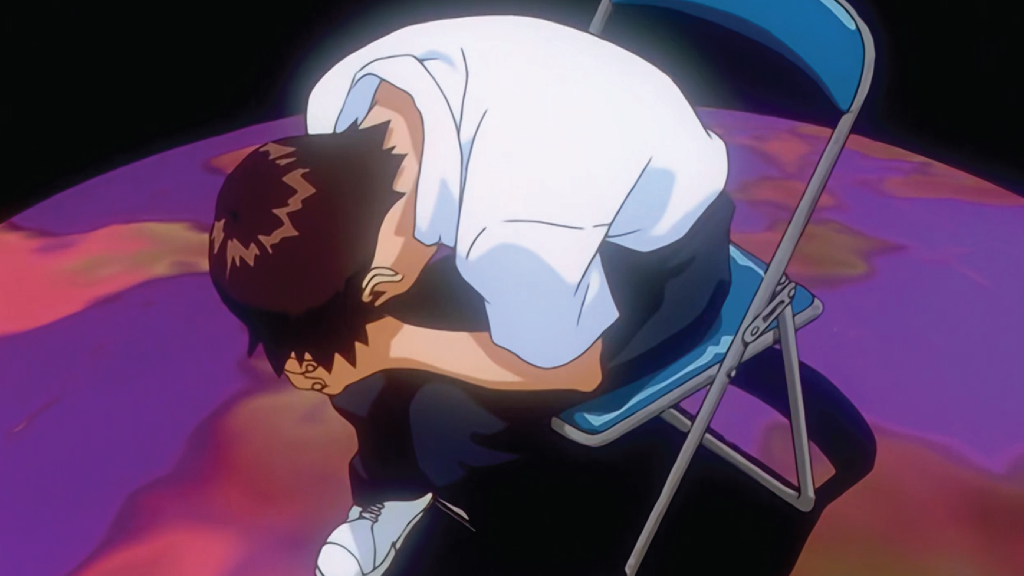
While Shinji is meant to represent anxiety and alienation, his constant indecision turns empathy into irritation. His reluctance to act, even when lives are at stake, tests viewers’ patience. Trauma explains his paralysis, but it doesn’t excuse the way he buries everyone else’s suffering to focus on his own. In a world that demands courage, Shinji chooses retreat again and again.
The irony of his character is that he’s supposed to be relatable, yet he ends up embodying defeatism more than introspection. Instead of offering insight into depression, the show often portrays him as helplessly passive. By the finale, the audience is less concerned with his pain and more desperate for him to do anything. His legacy lies in how divisive he remains, not how inspiring he ever was.
6. Light Yagami — Death Note
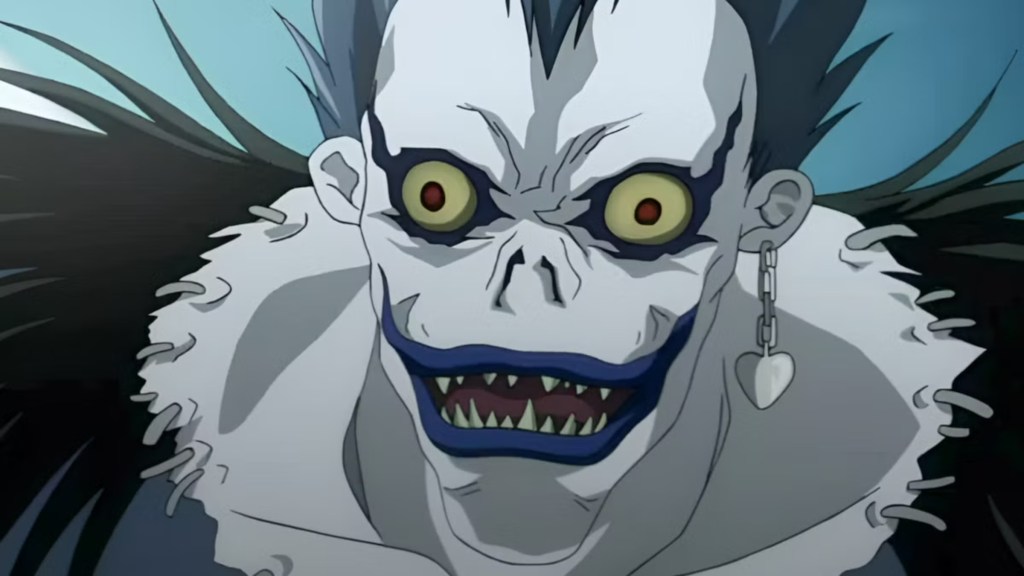
Light starts as a sharp-minded teen seeking justice, but his moral compass collapses faster than his enemies. His desire to rid the world of evil curdles into egomania as he plays god. The thrill of outsmarting others consumes him until logic gives way to vanity. By the midway point, he’s just another tyrant hiding behind intellect.
What makes Light frustrating is his hypocrisy. He condemns criminals yet kills innocents to protect his secret. Every supposed strategy becomes self-congratulating theater. The series begins as a battle of ideals but ends as a study in narcissism. Light doesn’t lose because his ideals fail; he loses because he mistakes cruelty for righteousness.
5. Ash Ketchum — Pokémon
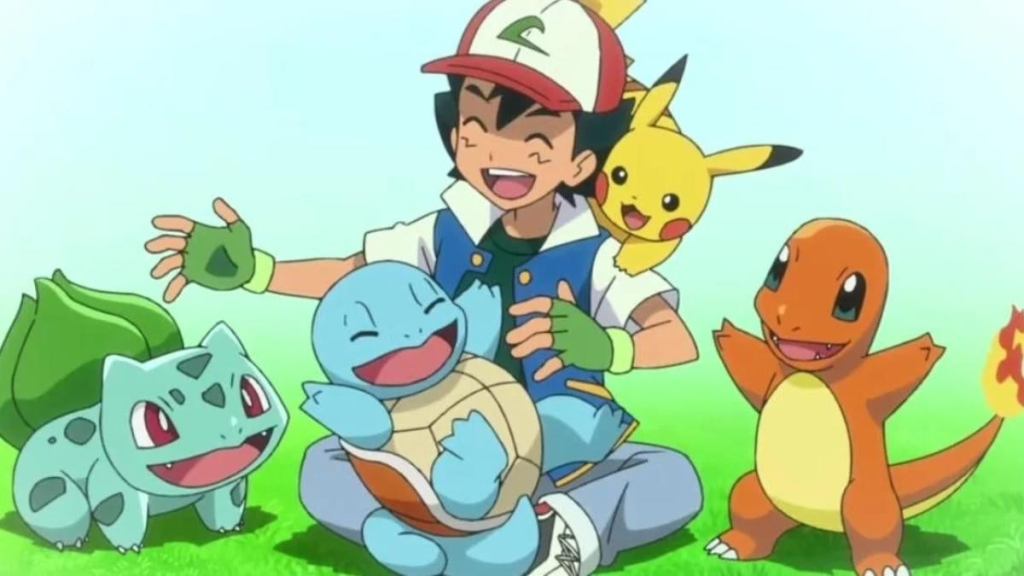
Ash should be a heartwarming icon of persistence, but his incompetence overshadows his determination. After years of travel, his repeated tactical blunders feel less like bad luck and more like neglect. Watching him lose leagues due to obvious mistakes feels like narrative stagnation. Despite countless friendships, his growth rarely sticks beyond a single region.
Even when the show resets him for new generations, his patterns remain the same. His endless optimism feels hollow when it leads nowhere. The problem is that he never truly learns from it. For someone who’s supposed to be the very best, his strategic awareness is perpetually stuck at “rookie.”
4. Natsu Dragneel — Fairy Tail
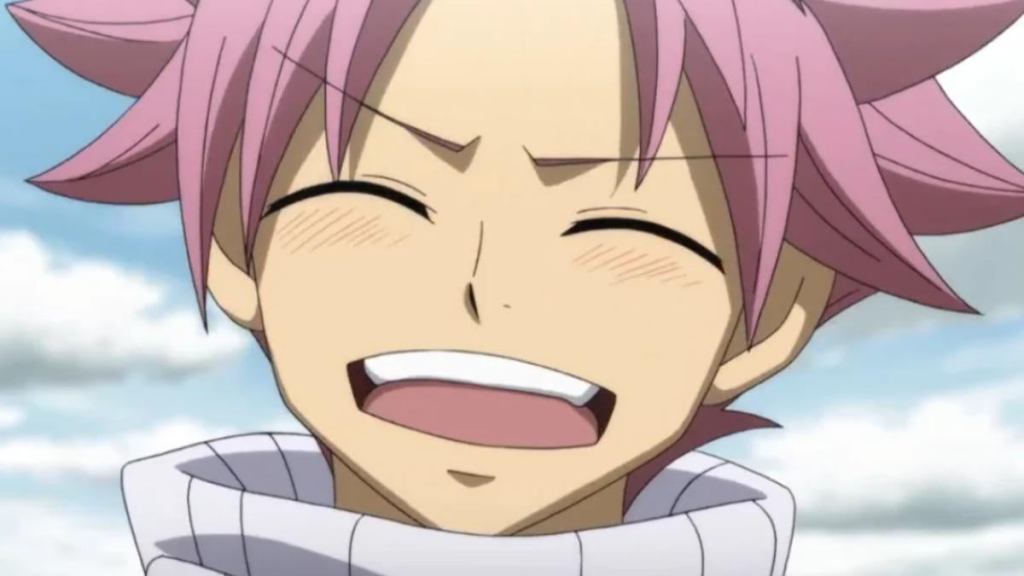
Natsu embodies power without reflection. His fights rely on sheer intensity rather than strategy, and his need for constant brawls replaces character development with explosions. It’s tiring to watch him solve every conflict with fists, screaming about friendship without ever evolving beyond it. What begins as charm devolves into repetition.
The series frames Natsu as the emotional core, but his simplicity drags the story into predictability. Characters around him mature while he stays frozen in cliché. His unwavering confidence turns from inspiring to irritating when it erases nuance from every arc. Fairy Tail’s biggest is its inability to challenge its own hero.
3. Ichigo Kurosaki — Bleach
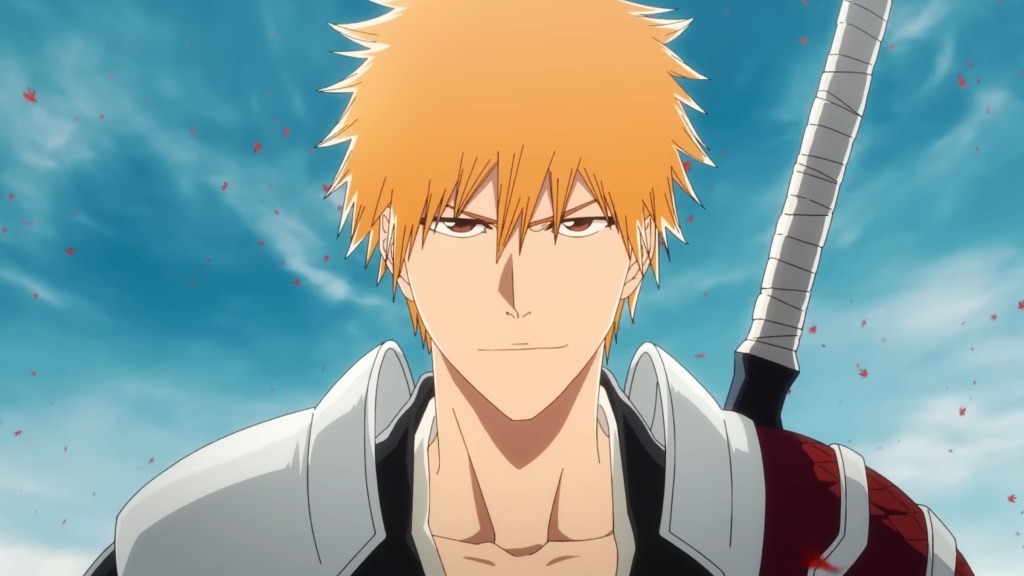
Ichigo’s design and backstory promise depth, yet his motivations become inconsistent fast. One moment he’s fighting for friends, the next for destiny, and soon after because he’s told to. Despite endless power-ups, his personality remains stubbornly one-dimensional. His strength increases while his emotional range flatlines.
What hurts the most is wasted potential. Ichigo could have embodied moral struggle and leadership, but the story abandons introspection for spectacle. Each arc resets his maturity, making the series feel cyclical rather than progressive. His endless angst stops being sympathetic and turns into creative laziness disguised as coolness.
2. Naruto Uzumaki — Naruto
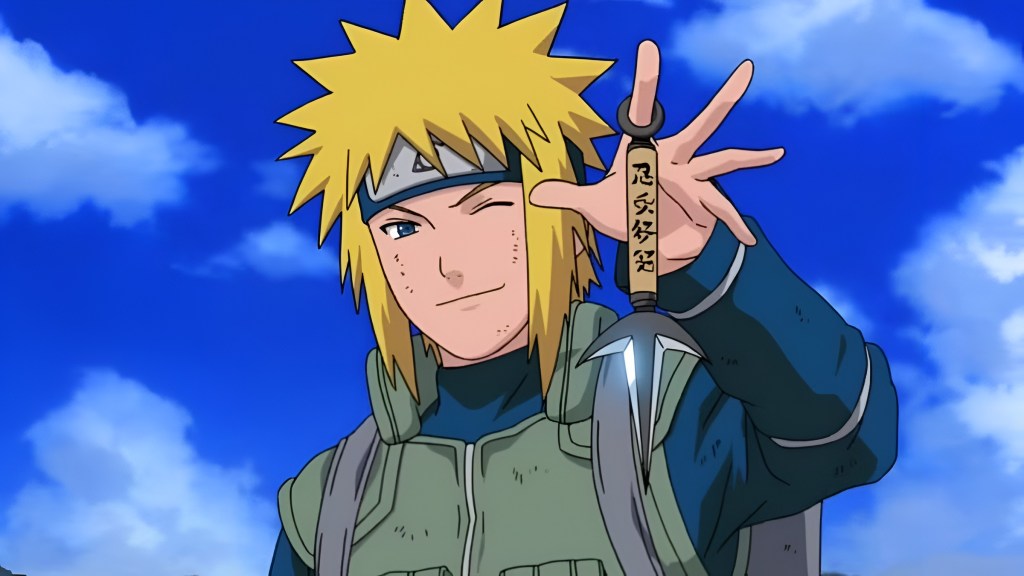
Naruto’s rise from outcast to hero could have been legendary, but his execution blurs perseverance with recklessness. His talk-no-jutsu ideals often feel detached from reality, forcing simplistic empathy onto complex villains. His persistence frequently substitutes for actual reasoning, and every major victory leans on blind optimism instead of tactical brilliance.
As the series continues, Naruto’s flaws multiply. His obsession with redeeming even the most destructive foes becomes self-righteous. The idea of peace loses credibility when built on moral lectures rather than systemic change. He’s celebrated as a beacon of hope, but his worldview infantilizes the very people he’s trying to save.
1. Goku — Dragon Ball
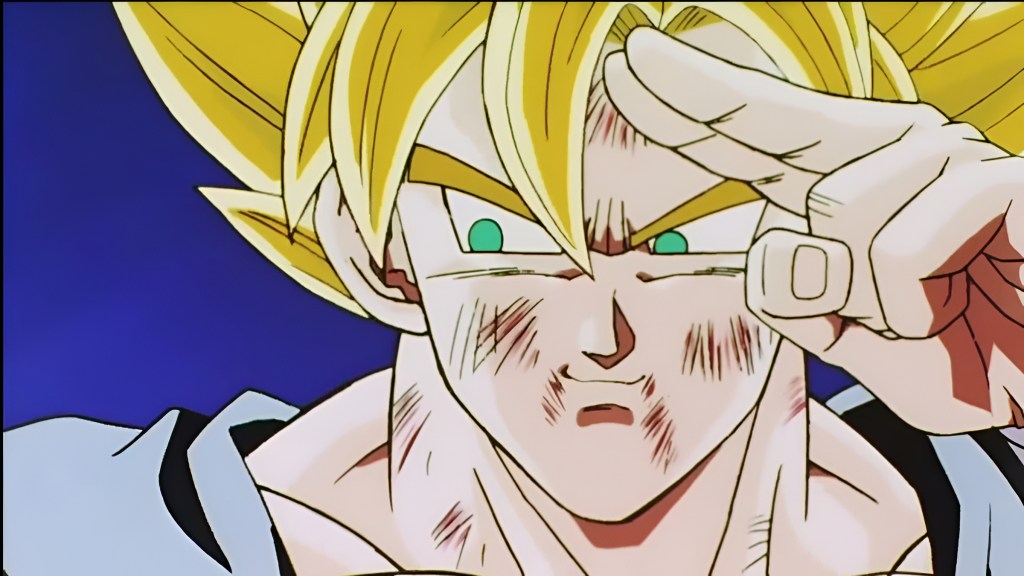
Goku is undeniably iconic, but iconic doesn’t mean admirable. His pursuit of strength eclipses every other responsibility, from fatherhood to global safety. He cares more about finding stronger opponents than safeguarding those he loves. Each arc proves that his curiosity for battle consistently endangers the world he’s supposed to protect.
His lack of growth is his greatest flaw. Goku never learns from disaster; he just trains harder and resets the cycle. His innocence, once endearing, now feels reckless and detached. The more powerful he becomes, the less accountable he is. For all his smiles and heroism, he remains anime’s ultimate cautionary tale — a man who mistakes thrill for purpose.
What do you think? Leave a comment below and join the conversation now in the ComicBook Forum!
Most Viewed
-
Image Courtesy of MAPPA -

Image courtesy of Marvel Studios -

Image Courtesy of ABC