Some anime adaptations manage to improve on their manga because of stronger pacing, better emotional delivery, and the addition of music and voice acting. When an adaptation respects its source and adds thoughtful direction, the story often feels more alive. The artwork can gain depth through color and movement, and even quiet scenes have more weight when sound and atmosphere join in. A good team can take a solid manga and turn it into something memorable and moving.
Videos by ComicBook.com
Of course, not every adaptation works out that well. Some lose the details that made the manga special or rush the story to fit a short episode count. Others struggle with uneven animation or poor tone, leaving the experience flat or disjointed.
10. Demon Slayer
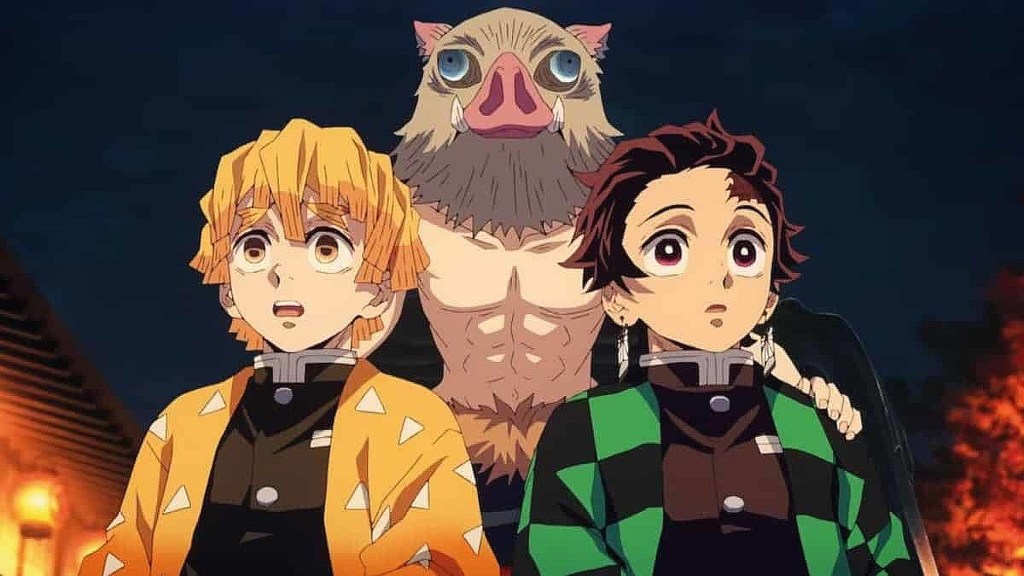
Ufotable elevated Demon Slayer with breathtaking animation and meticulous fight choreography that transcended the manga’s simple but heartfelt aesthetic. The famous battle sequences, like Tanjiro vs. Rui, demonstrate cinematic color design and movement that made the anime a viral cultural touchpoint. The anime refined the pacing and visual clarity without losing the emotional rhythm. Each episode carried polished audio direction and orchestral scoring that united character emotion and spectacle perfectly.
9. Attack on Titan (2013–2023)

Hajime Isayama’s manga laid the foundation with its raw storytelling, but MAPPA and Wit Studio transformed it into a gripping cinematic experience. The anime amplified tension through sweeping camera work, epic OSTs, and voice performances that magnified every desperate scream and moral conflict.
The adaptation’s pacing benefited from visual scale and atmosphere the manga couldn’t always capture. Certain sequences, like the Colossal Titan’s appearances or Levi’s battles, reached staggering visual peaks that redefined TV animation. The shifts between studios maintained narrative intensity, achieving something even the most die-hard manga readers had not envisioned.
8. One Punch Man (2015)
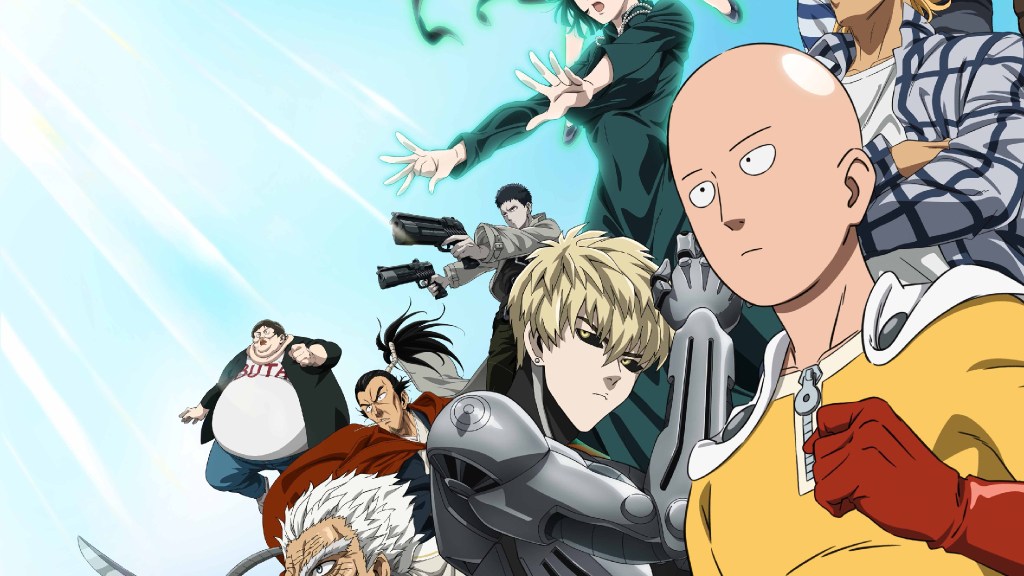
While ONE’s webcomic was charming and Yusuke Murata’s redrawn manga impressive, Madhouse’s adaptation exploded with a level of kinetic brilliance that redefined superhero parody. Saitama’s deadpan delivery, paired with fluid animation sequences like his fight against Boros, turned absurdity into pure action artistry. The manga conveys the concept beautifully, but the anime captured the punchline and the spectacle perfectly.
7. The Promised Neverland (Season 1, 2019)
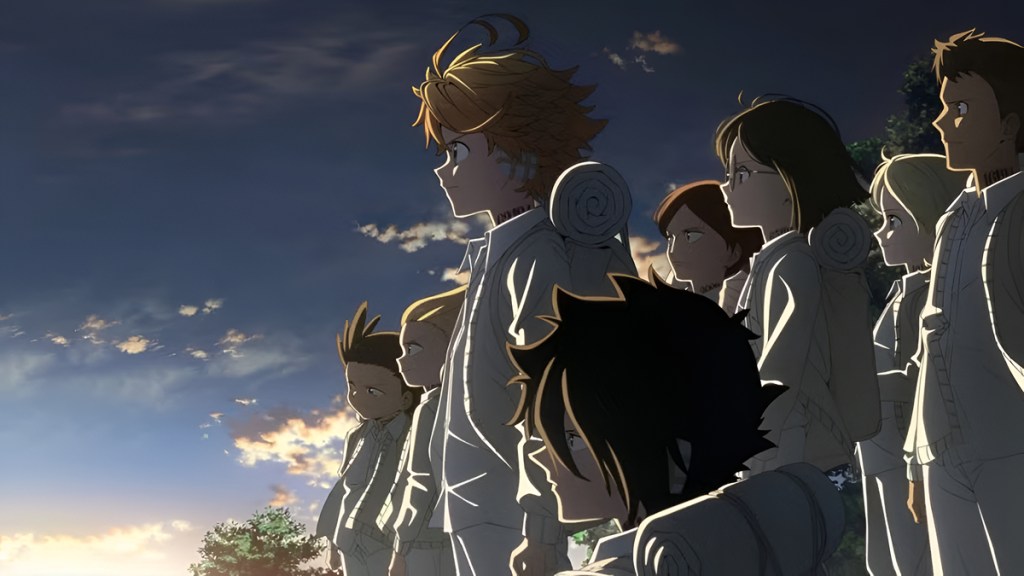
The source material of Promised Neverland carried a thrilling narrative, yet CloverWorks’ first season mastered tension through direction and sound design. The quiet moments of whispering and candlelight added dread that the manga only hinted at.
Visually, the anime’s lighting and pacing gave emotional density to Grace Field House. The manga is gripping, but the anime sculpted atmosphere so carefully that it pulled viewers into its claustrophobic world more effectively.
6. Jujutsu Kaisen

MAPPA’s adaptation set an industry benchmark with detailed fight choreography and intense fluidity. The manga delivers energy through Akutami’s rough yet expressive linework, but the anime channels it into rhythm and velocity through motion and music. Gojo vs. Jogo and Yuji & Nobara vs. Eso & Kechizu showcase visual brilliance beyond the printed page.
The sound direction enhances every cursed technique, and the anime’s pacing keeps emotional beats tighter. The manga has more grit, but the anime thrives on synergy between direction, animation, and soundtrack, turning raw battle manga artistry into full-blown aesthetic power.
5. Death Note
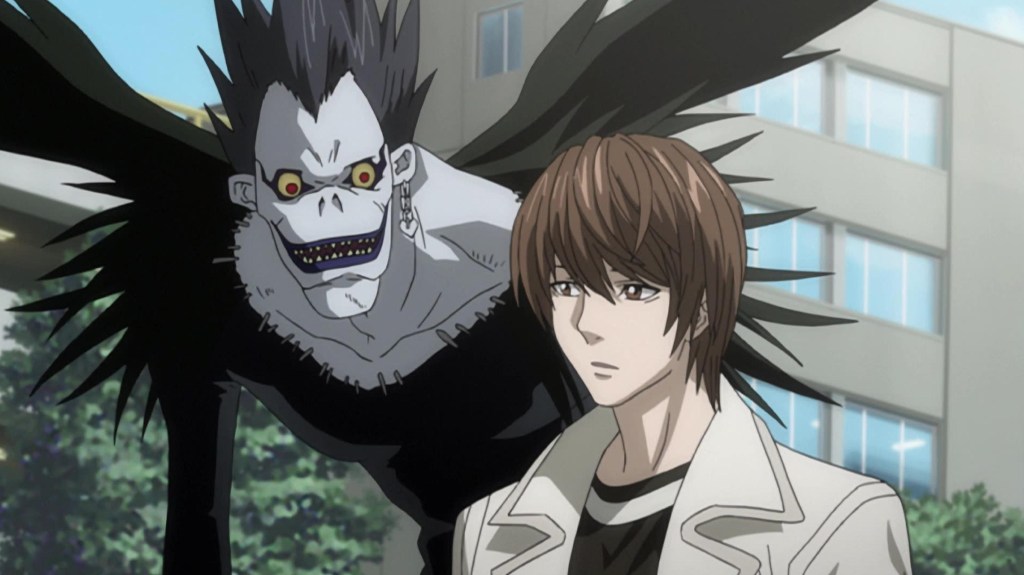
The manga’s psychological duels were legendary, but Madhouse’s adaptation made them operatic with chilling music and sharp framing. The voice acting of Light and L, coupled with cinematic editing, turned silent pages into theatrical mind games filled with tension.
The adaptation refined pacing and magnified drama through visual symbolism and powerfully thematic lighting. The “potato chip” scene symbolizes how animation can exaggerate the mundane and make it iconic. While faithful to the source, the anime version sharpened every philosophical duel with cinematic precision.
4. Mob Psycho 100
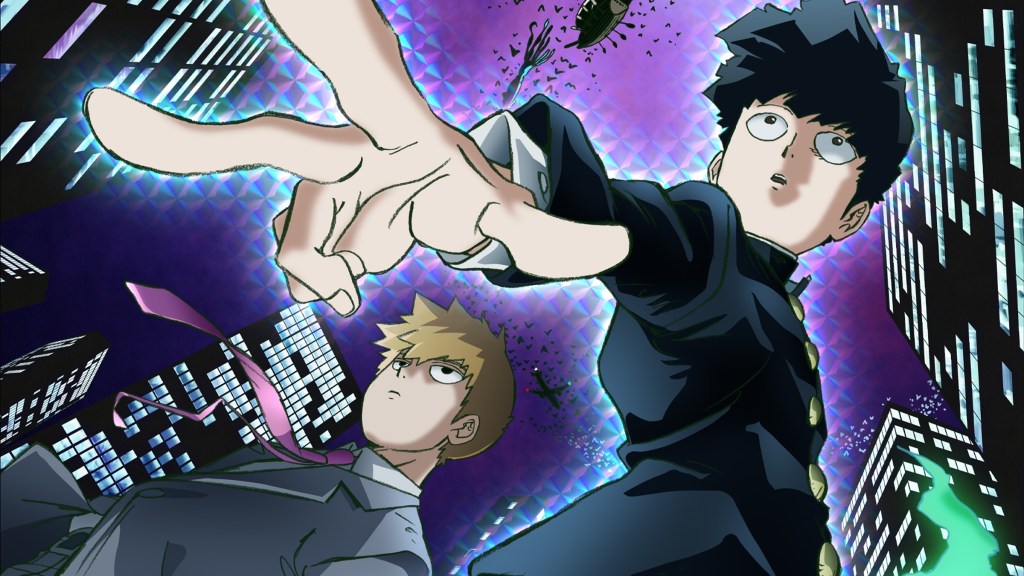
ONE’s rough art never aimed for aesthetic perfection, but Bones transformed it into one of the most visually expressive works of modern anime. Surreal color usage, fluid motion, and painterly scenes reflect the heart inside Mob’s quiet struggle.
The adaptation amplified emotional context through sound and tempo. The animation channels anxiety and introspection vividly, transforming inner turmoil into raw visual language. Where the manga hints at emotion, the anime lets it burst out like psychic energy itself.
3. Violet Evergarden (2018)
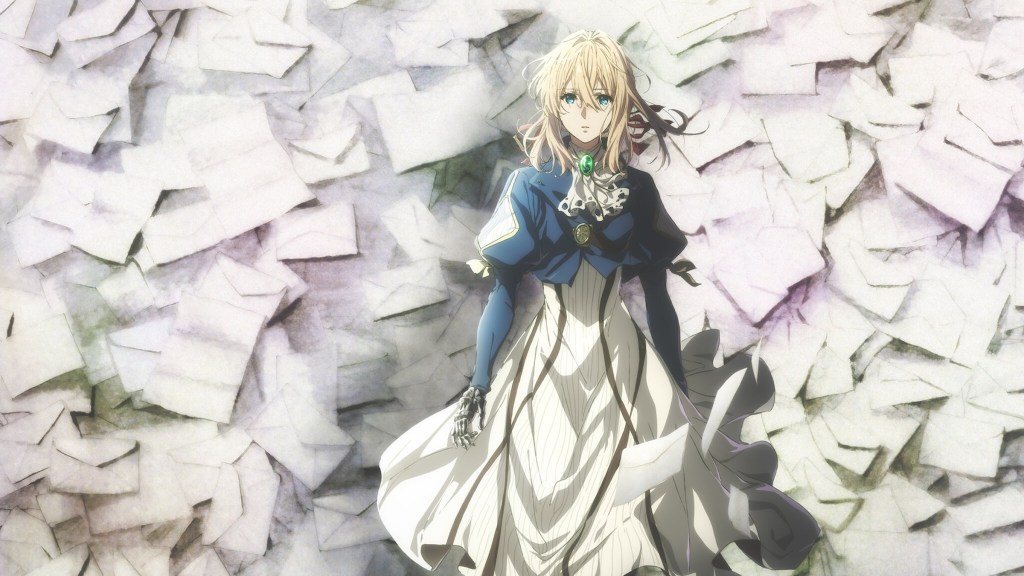
Kyoto Animation’s production transcended the already strong emotional writing of Kana Akatsuki’s light novels and manga version. Violet Evergarden anime adaptation captured melancholic beauty with precise, quiet storytelling underscored by gorgeous lighting and attention to gesture. The manga is touching, but the anime’s orchestral score, lifelike animation, and depth of silence deliver emotional resonance the printed story only aspired to.
2. Fullmetal Alchemist: Brotherhood (2009–2010)
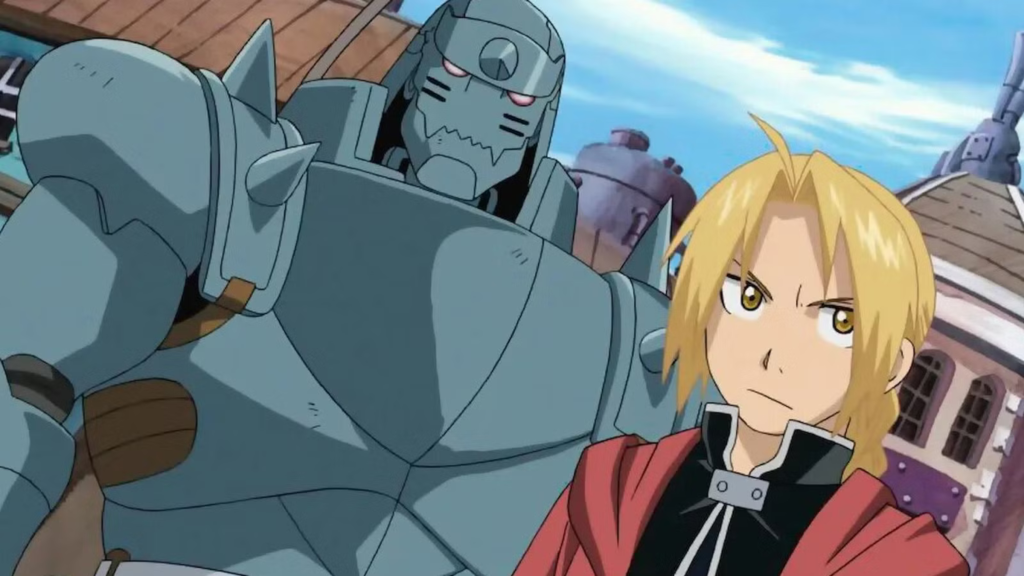
Hiromu Arakawa’s manga is nearly perfect, but Brotherhood synthesized it into a masterpiece of pacing, music, and emotional payoff. Sound choices, vocal intensity, and immaculate direction unified themes of loss, redemption, and human ambition with coherence the manga’s serialized format couldn’t fully match.
The anime builds emotional bridges between arcs, giving the Elric brothers’ journey sweeping resonance. EP transitions and recurring motifs heighten thematic unity. While loyal to the manga, the adaptation cut filler and amplified the emotional and cinematic experience.
1. Neon Genesis Evangelion (1995)
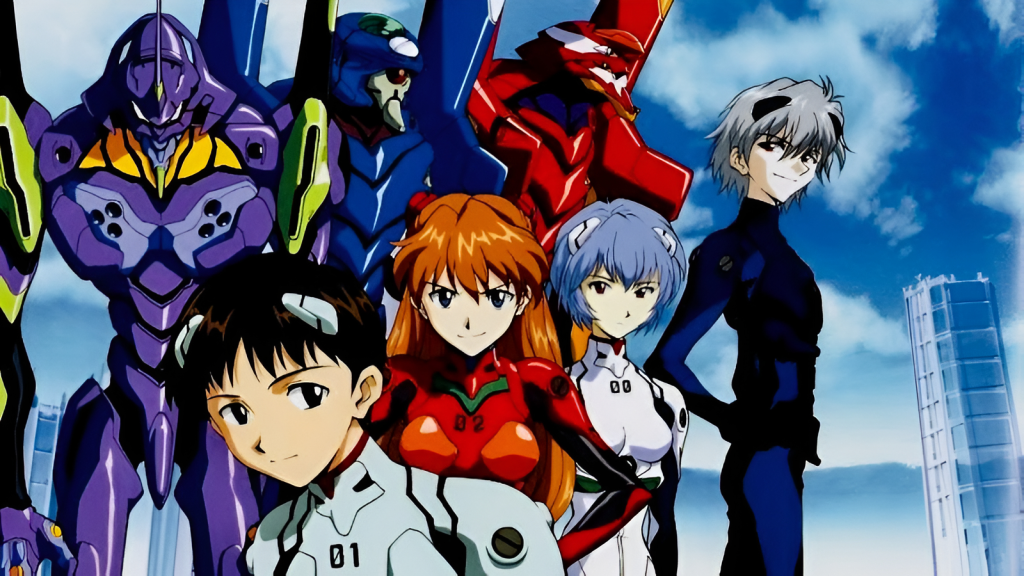
Hideaki Anno’s anime became an artistic landmark that extended far beyond the manga adaptation. The series embodied existential despair, psychological fragmentation, and surreal storytelling that influenced generations. The bold framing, experimental editing, and minimalistic approach gave every scene symbolic texture. The anime’s direction pushed television animation into auteur territory, demonstrating that visual storytelling could rival literature in exploring human frailty.
What do you think? Leave a comment below and join the conversation now in the ComicBook Forum!
Most Viewed
-
Courtesy of Eight-Bit -
Courtesy of Kadokawa / Shosetsuka ni Naro -

Image courtesy of 20th Century Studios -
Photo by Jesse Grant/Variety via Getty Images -
Courtesy of Lionhead Studios