Have you ever stopped to think about how many movie trilogies have been made over the years? There have been a lot of them, and ranking the very best isn’t exactly easy — especially since almost everyone has at least one favorite they think deserved a higher spot. Some of these long-running stories grew up with us, others redefined entire genres, and many proved that a three-film structure can work incredibly well as a complete narrative and not just a string of sequels. But here, the focus goes beyond nostalgia or box office numbers. We’re talking about consistency across chapters, meaningful character arcs, and how well each trilogy manages to keep audiences engaged from beginning to end, even when not every installment fully sticks the landing.
Videos by ComicBook.com
That’s why we selected the 8 best movie trilogies of all time and ranked them based on the full body of work. Having one great movie isn’t enough if the rest can’t keep up, right?
8) The Hangover Trilogy

This is the kind of trilogy where it’s hard to point to a truly bad movie. The Hangover starts off incredibly strong: four friends wake up in Las Vegas with no memory of the night before, a tiger in the bathroom, and the groom missing — forcing them to retrace their steps to figure out what went wrong. Right from the first film, you get wildly exaggerated characters and a surprisingly effective mystery structure (not to mention Alan (Zach Galifianakis) becoming an instant comedy icon).
But as for its position on this ranking, the main issue is the second movie, which repeats the same story as its predecessor and loses some of its identity because of it. Still, the experience is far from bad. Overall, the trilogy had a massive cultural impact, and it’s fair to say it helped shape mainstream comedy throughout the 2010s.
7) Jurassic Park Trilogy

Here, everything starts with the perfect idea: a dinosaur theme park goes wrong, leaving scientists and visitors trapped on an island full of prehistoric predators. Jurassic Park isn’t just a technical milestone — it’s a smart blockbuster packed with tension, strong characters, and clear commentary on corporate greed and the limits of science. It’s the perfect combo. And the sequels try to expand that universe, with The Lost World taking the dinosaurs to a bigger scope and Jurassic Park III leaning into a more straightforward adventure.
Obviously, everyone knows neither comes close to the power of the original, and that’s exactly why it lands in this spot. However, the trilogy as a whole helped shape modern cinema, both in sci-fi and beyond (and that’s not something just any franchise can claim). Even with quality dips along the way, the first movie is so strong that it carries the entire experience.
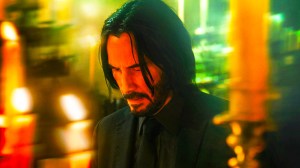
6) Captain America Trilogy

Ask any Marvel fan about their favorite movies, and chances are at least one of them is a Captain America entry. The three films that tell Steve Rogers’ (Chris Evans) story easily form one of the Marvel Cinematic Universe’s strongest self-contained arcs, mainly because they treat him as a character constantly in conflict with the world around him, and not just a straightforward hero. We start with his origin in World War II, move into a full-blown political thriller with The Winter Soldier, and hit a breaking point in Civil War, when the Avengers literally split apart.
Along the way, the trilogy digs into surprisingly mature subjects like surveillance, obedience, and personal responsibility. And its biggest strength is progression: each movie raises the emotional stakes and scale, ultimately turning the hero into the moral center of the cinematic universe. On the other hand, the trilogy still leans heavily on the shared MCU framework, which keeps it from claiming the top spot.
5) Back to the Future Trilogy
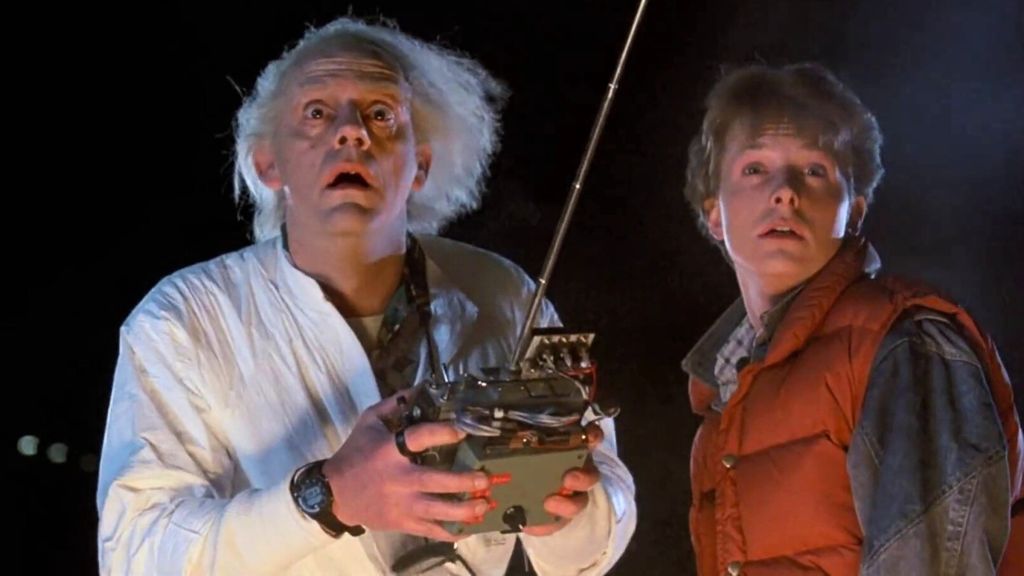
You know what makes a trilogy really work? Tight storytelling, and very few pull it off this well. But that’s where Back to the Future shines. The story follows Marty McFly (Michael J. Fox) as he travels back in time and nearly erases his own existence by interfering with his parents’ romance. As for the second movie, it plays with alternate futures in impressively creative ways, while the third takes everything to the Old West without losing its charm. This final stretch of the journey isn’t exactly the most memorable for audiences, but it’s nowhere near bad enough to derail the trilogy.
What keeps everything together is the airtight internal logic and the irresistible chemistry between Marty and Doc Brown (Christopher Lloyd). Even decades later, it remains one of the best examples of how to expand a story without losing coherence. Still, compared to the higher-ranked trilogies, it doesn’t quite reach the same level of emotional depth or thematic scope.
4) Before Trilogy

The Before trilogy is a masterclass in how to build three films — both in theory and in practice. Its story is about two people meeting, reconnecting, and trying to survive the everyday reality of a real relationship. And yes, it really is that simple, and that’s exactly why it’s so powerful and widely praised by movie lovers. We follow Jesse (Ethan Hawke) and Céline (Julie Delpy) from a chance encounter in Vienna all the way to a marriage filled with frustrations and small emotional battles.
Throughout the entire journey, there are no villains, major plot twists, or storytelling tricks meant to grab attention. Instead, the trilogy focuses on humanity: long conversations, uncomfortable silences, and life truths that aren’t always easy to accept. It’s a brutally honest portrait of how love changes over time. That said, its intimate nature, limited scope, and slow pace won’t necessarily work for everyone.
3) The Dark Knight Trilogy
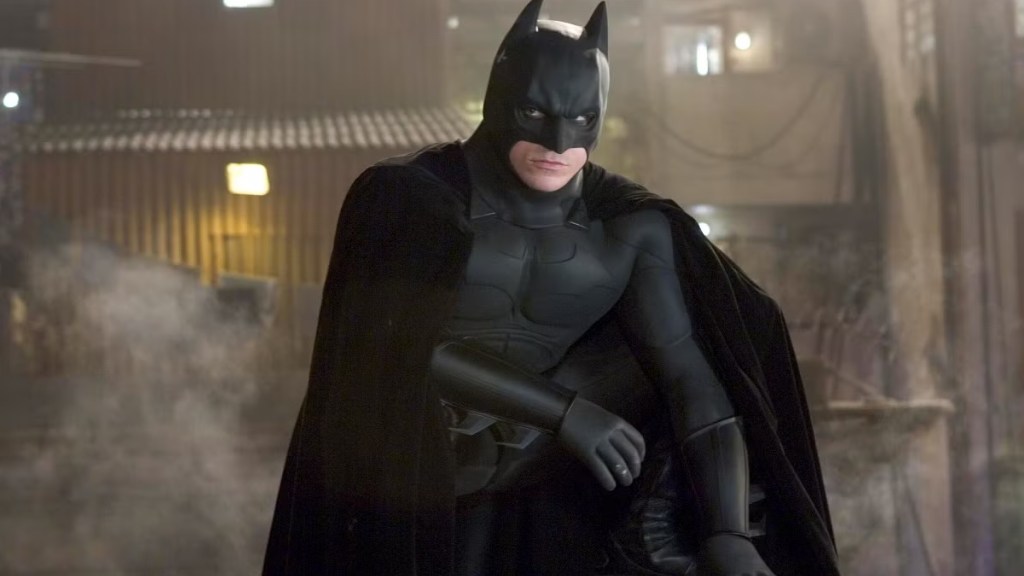
You can’t talk about trilogies without bringing up The Dark Knight, right? These three movies exist because Christopher Nolan decided to adapt Batman and take him seriously for the first time — really seriously. The story starts with the hero’s origin, then explodes in The Dark Knight with a highly memorable ideological showdown against the Joker (Heath Ledger), and finally wraps up with a grand conclusion about sacrifice and legacy. At the center of it all is Bruce Wayne (Christian Bale), trying to save Gotham while emotionally destroying himself in the process.
If so many modern interpretations of the character lean toward realism, a lot of that comes from this trilogy’s influence. It’s dense, mature, and ambitious. However, as a complete package, it’s slightly uneven narratively — there’s a reason the second movie is the undeniable high point (and the third never quite reaches that same peak). Still, there’s a clear thematic throughline: fear, chaos, and the cost of becoming a symbol. Plus, it ultimately redefined what superhero movies could be at the time.
2) The Godfather Trilogy
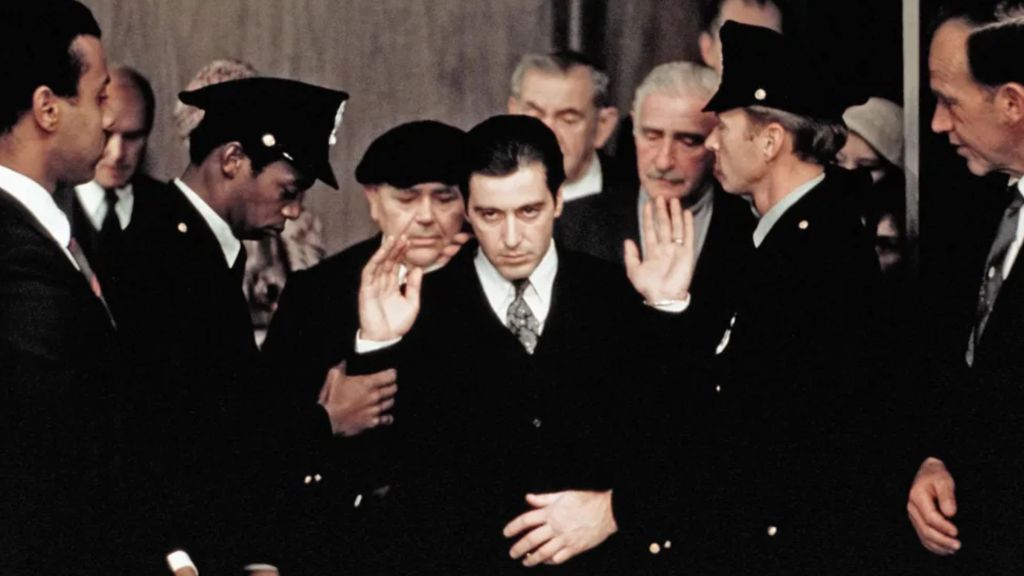
A true cinema icon, The Godfather follows Michael Corleone’s (Al Pacino) slow and painful transformation from a reluctant son into a cold, isolated mafia boss, while exploring the weight of choices inside a criminal family. This story made history by reshaping the crime genre on screen and is still widely regarded as one of cinema’s greatest peaks. The first movie builds the world, the second deepens the tragedy by showing Vito’s (Robert De Niro) past in parallel with Michael’s moral collapse, and the third tries to close the arc with a more bitter tone.
Overall, it’s a phenomenal trilogy. But looking more closely, the final chapter is clearly the weakest (even though it later received a revised cut closer to what audiences had hoped for). And in this case, that matters. It’s the main reason it doesn’t take the top spot, especially when the opening chapters are basically untouchable masterpieces.
1) The Lord of the Rings Trilogy
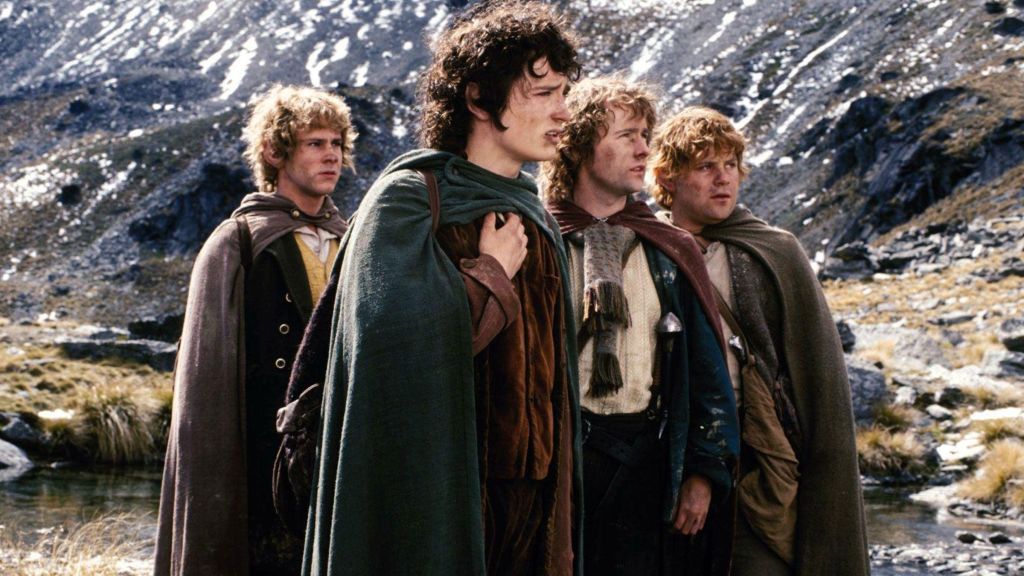
The Lord of the Rings didn’t just define modern fantasy — it also stands as the most definitive example of a well-planned trilogy. Frodo’s (Elijah Wood) journey to destroy the One Ring unfolds alongside wars, alliances, and sacrifices on an epic scale, yet it never loses focus on the characters. Every victory comes at a cost, and every goodbye matters — something that’s clear from start to finish. Besides, it blends fantasy, adventure, and drama with almost surgical precision. All three films maintain a high level of quality, with no weak chapter in the lineup.
On top of that, the entire structure is linear and cohesive, leading to an incredibly satisfying conclusion. Simply put, this is rare: three movies that work both as individual chapters and as one complete experience, with constant emotional growth and real payoff at the end. Pure impact and consistency.
Are you a fan of any of these trilogies? Leave a comment below and join the conversation now in the ComicBook Forum!
Most Viewed
-

Official art by Bastien Lecouffe-Deharme -

A photo of the Retrovolt Arcade taken in 2017, showing several classic arcade cabinets and stools. -
Image courtesy of Tor Books/Macmillan