Anime we grew up loving always felt like secret codes passed among the chosen few. We memorized attack names, quoted protagonists like prophets, and treated emotional flashbacks as sacred texts. Back then, melodrama was the point. We didn’t notice that half the runtime went to filler or that entire episodes existed for power-ups that never really mattered. We were too busy crying over side characters who died in slow motion while the background music tried way too hard.
Videos by ComicBook.com
Now, those same shows hit different, and not in the cool, ironic way. The dialogue that once struck deep feels like it was written by someone trying way too hard to win a “most tortured soul” contest. The pacing that once built anticipation now just tests your patience. Maybe the real cringe isn’t even the anime itself; maybe it’s us realizing how seriously we took it all. We used to think quoting villains made us edgy. Now we just see a lot of unnecessary shouting, glowing eyes, and impossible hair physics pretending to be emotional growth.

10. Naruto
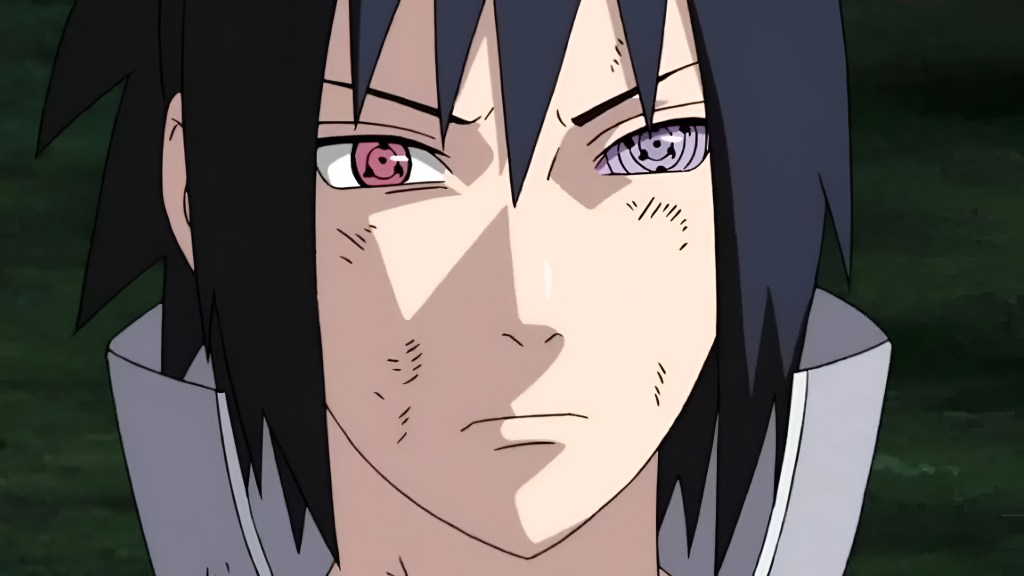
We all screamed “Believe it!” with Naruto Uzumaki back in the day. The story of an underdog ninja chasing respect and friendship was infectious. The original series had great emotional highs — Zabuza’s arc, Chunin Exams, and Jiraiya’s mentorship cemented it as a childhood classic.
Rewatch it now, and the pacing feels brutal. Endless filler arcs, reused flashbacks, and melodramatic speeches make it tough to sit through. The sincerity that once felt inspiring now borders on preachy, especially when Naruto repeats the same speech for the fifth time. Nostalgia keeps it iconic, but it hasn’t aged gracefully.
9. Inuyasha
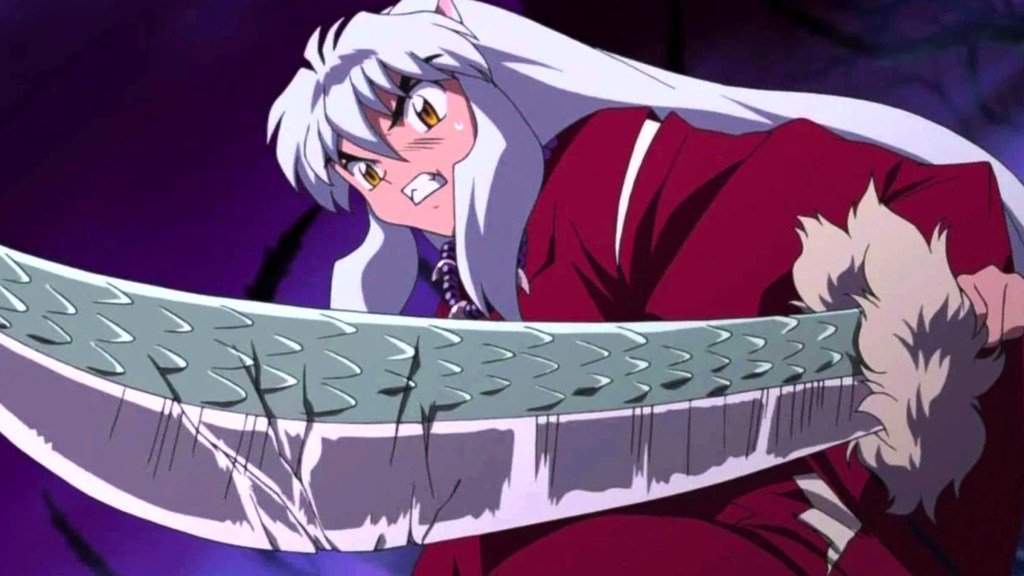
Inuyasha was mysterious, romantic, and adventurous. Kagome’s trips between modern Tokyo and feudal Japan were endlessly fascinating, and the mix of demons, shards, and tragic love stories hooked a generation. The soundtrack and atmosphere still slap.
But watching it as an adult? The story spins in circles. Every new demon feels like a recycled version of the last, and Inuyasha and Kagome’s constant drama tests patience more than emotions. There’s still charm in its world, but it falls apart under any serious binge-watch.
8. Sailor Moon
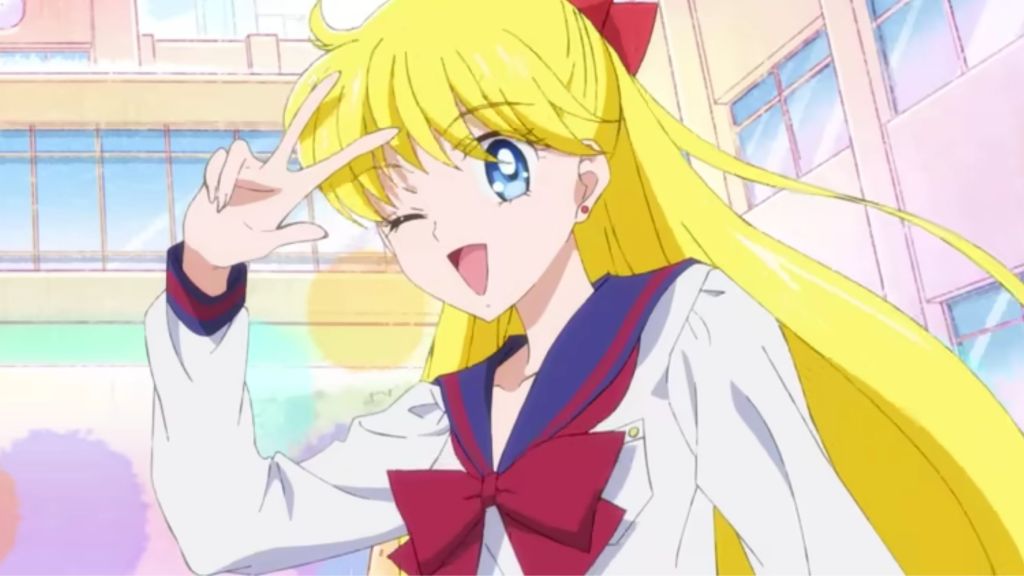
Sailor Moon defined magical girl storytelling in the ’90s. The transformation sequences, the squad goals, and Usagi’s clumsy kindness carried true girl-power energy. It made anime accessible and empowering for young audiences worldwide.
Yet, modern eyes can’t ignore how formulaic it is. Every episode follows the same monster-of-the-week pattern until it numbs the brain. Usagi’s over-the-top whining that once felt “cute” can feel grating now. It’s still iconic, but mostly thanks to nostalgia and aesthetics.
7. Dragon Ball Z
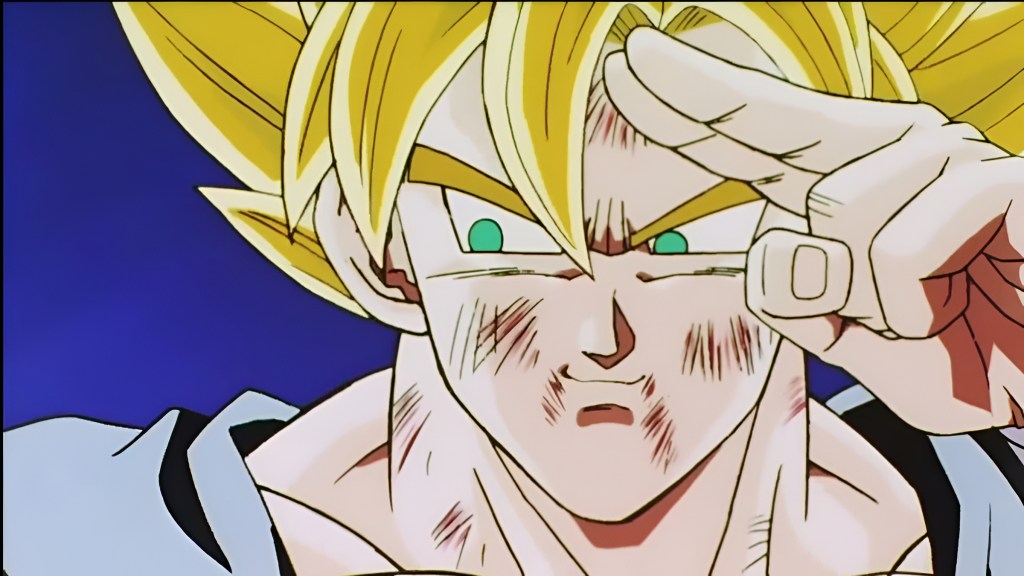
This show was the playground religion of the early 2000s. Every kid tried to go Super Saiyan in front of a mirror at some point. The epic fights, distinct transformations, and Goku’s optimism made it unbeatable in its prime.
Nowadays, the pacing feels painful. One fight can stretch across five episodes of grunting and staring. The drama that once felt intense now looks repetitive and drawn out. It’s still legendary for what it built, but modern anime storytelling overtook it long ago.
6. Bleach

Bleach was effortlessly cool when it dropped. Ichigo’s duality as a high schooler-slash-Soul-Reaper, the aesthetic of black robes and swords, and the killer soundtrack made it magnetic. The Soul Society arc remains one of shonen’s best moments. Then it fell apart. The endless filler arcs wrecked pacing, side characters overstayed their welcome, and the story lost direction. The cool factor carried it more than the writing did.
5. Pokémon (Original Series)
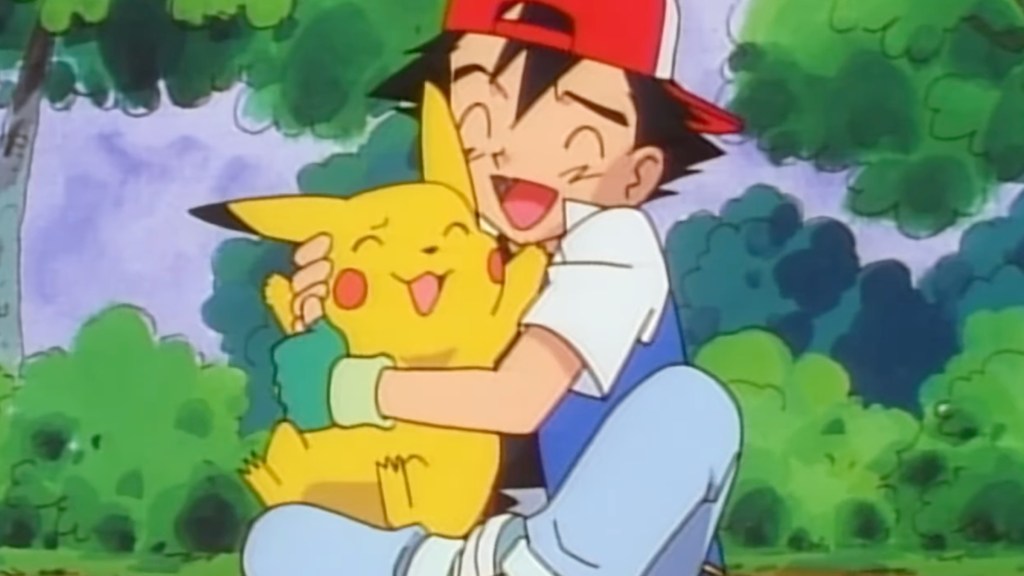
For kids, Pokémon was religion. The theme song, Pikachu, and Ash’s naive optimism brought magic to TV screens. It taught perseverance, friendship, and imagination through battles that felt epic. Revisiting the Kanto years, though, exposes how thin the storytelling was. The cycle of “meet character, battle, learn a lesson” repeats endlessly. Ash never grows, ever, and the villains’ antics wear down the charm. It’s great for nostalgia hits, but not for quality storytelling.
4. Yu-Gi-Oh!

Nothing was cooler than shouting “It’s time to duel!” with a deck of cards at recess. The Egyptian mythology, shadow games, and pure drama gave Yu-Gi-Oh! a mystique that set it apart from other anime. But rewatching it now? It’s absurdly theatrical. The rules make no sense, the dialogue is pure nonsense, and every duel feels dragged out for cheap suspense. It’s glorious camp in hindsight — fun to mock, not to take seriously.
3. Tokyo Ghoul
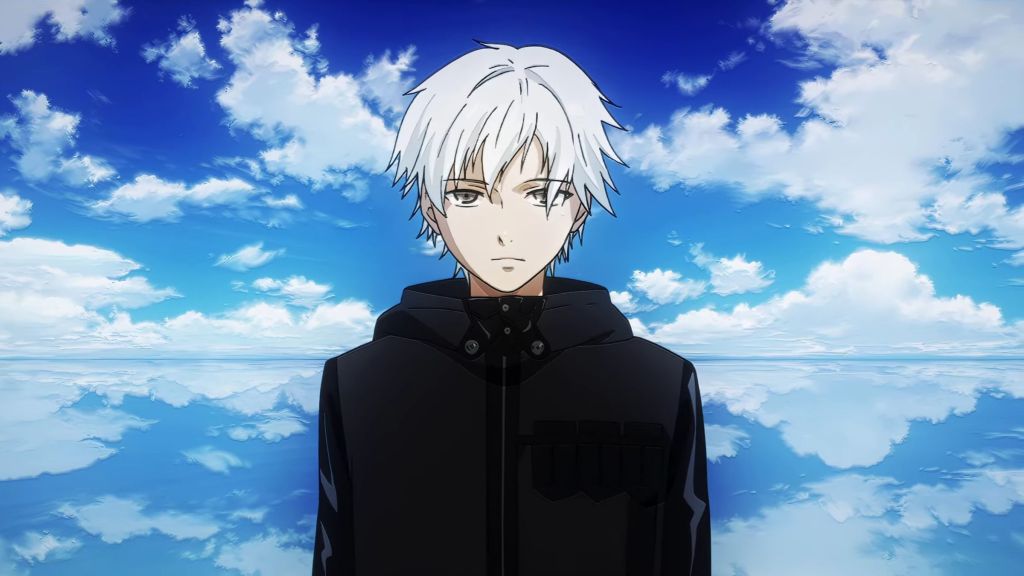
For a while, Tokyo Ghoul felt deep. Its art direction, edgy tone, and tragic antihero aesthetic hit differently. It made teenage viewers feel like they were watching something profound and darkly poetic.
Now it reads like a high schooler’s gothic diary. The pacing collapses in later seasons, the angst feels forced, and the story’s coherence vanishes completely. It’s all surface-level mood and brutality. Stylish, yes but also very “Tumblr 2014” energy.
2. Death Note
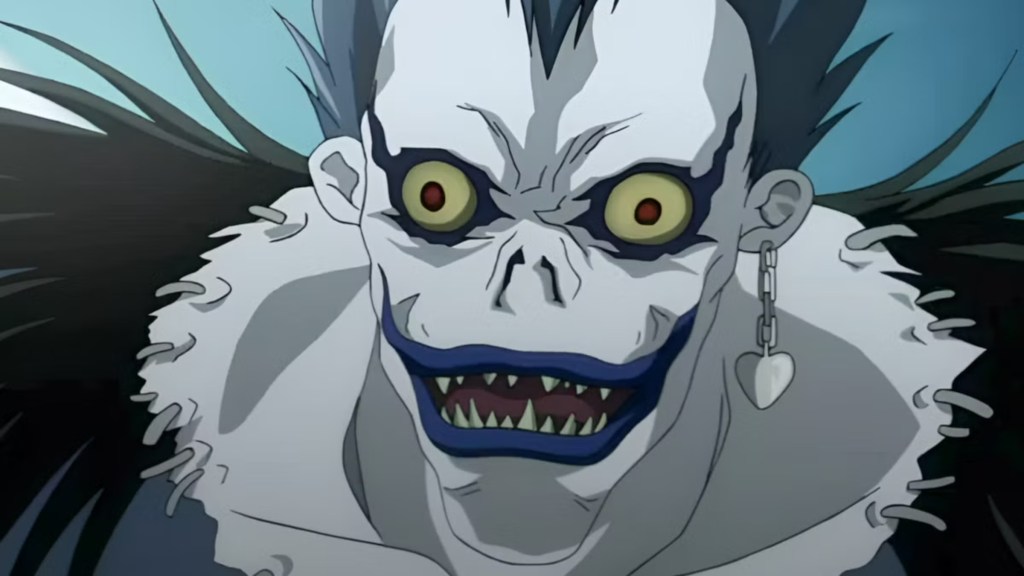
When Death Note aired, it felt revolutionary — a psychological cat-and-mouse duel between genius minds. Its early episodes were lightning in a bottle, serving tension and moral ambiguity that few shows could match.
But once L exits the story, it nose-dives. The second half feels desperate, and Light’s god complex turns from fascinating to cringe. The edgy tone that dazzled teens now feels overcooked. Still brilliant in parts, but not as profound as we once believed.
1. Attack on Titan
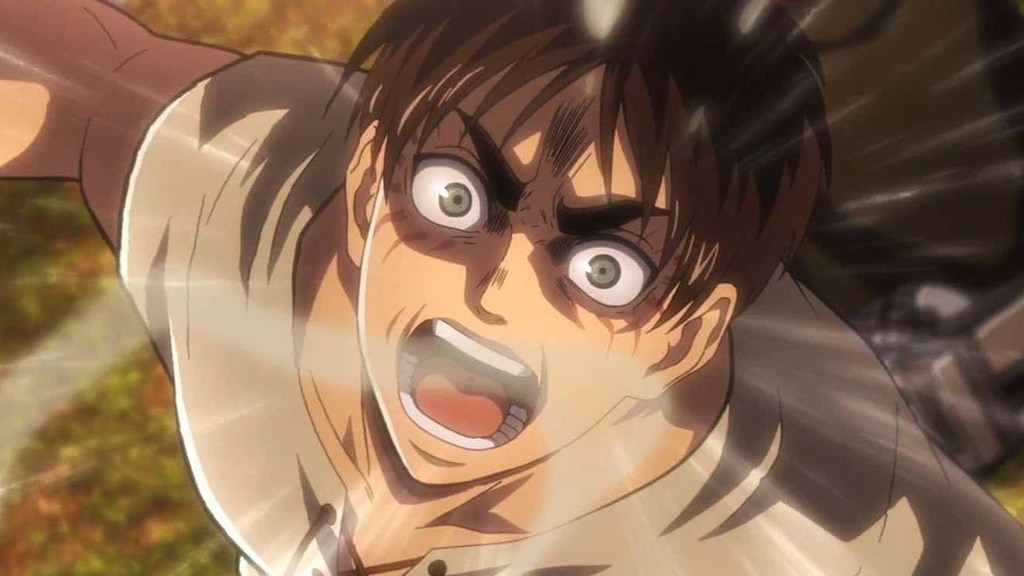
Attack on Titan redefined modern anime when it first aired. Brutal realism, jaw-dropping animation, and that unforgettable opening theme turned it into a global event. The concept of humanity vs. monsters was both epic and layered with social commentary.
Yet in retrospect, it collapsed under its own weight. The later seasons turned convoluted, political, and self-serious to a fault. Characters shifted motivations like chess pieces, and fans got tired of defending its messiness. It’s still masterfully produced but emotionally, it aged like a stone.
What do you think? Leave a comment below and join the conversation now in the ComicBook Forum!
Most Viewed
-

Official art by Bastien Lecouffe-Deharme -
A photo of the Retrovolt Arcade taken in 2017, showing several classic arcade cabinets and stools. -
Image courtesy of Tor Books/Macmillan -

Courtesy of Saber Interactive