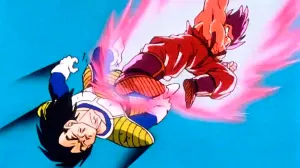
The “Shonen Big Three” label exists for a reason. Three long-running Jump-era giants defined what global anime fandom looked like in the 2000s. They set expectations for arc structure, power progression, rival dynamics, and the whole weekly-episode culture of theories, openings, and cliffhangers. Arguing which one is “best” usually turns into taste, but Bleach has a strong case because it is the most style-forward of the trio and the most committed to a specific vibe. Where the others often feel like sprawling adventure epics, Bleach feels like a supernatural action series with fashion-editor energy and a visual language you can recognize instantly.
Videos by ComicBook.com
Bleach’s biggest advantage is how it treats power and identity as the same thing. That said, the arguments against Bleach are real, and acknowledging them is part of the case for it. The most common complaints center on pacing, repetition of certain story rhythms, and stretches where the narrative feels like it is circling its core conflicts instead of evolving them. Some viewers also bounce off how large the cast becomes and how uneven the spotlight can feel in a long serialization. Bleach is often judged as if it is trying to be the same kind of story as the other two, when it is really optimizing for something else. Still, Bleach can absolutely feel like the most distinctive member of the Big Three.
3. Bleach Wins on Aesthetic Discipline
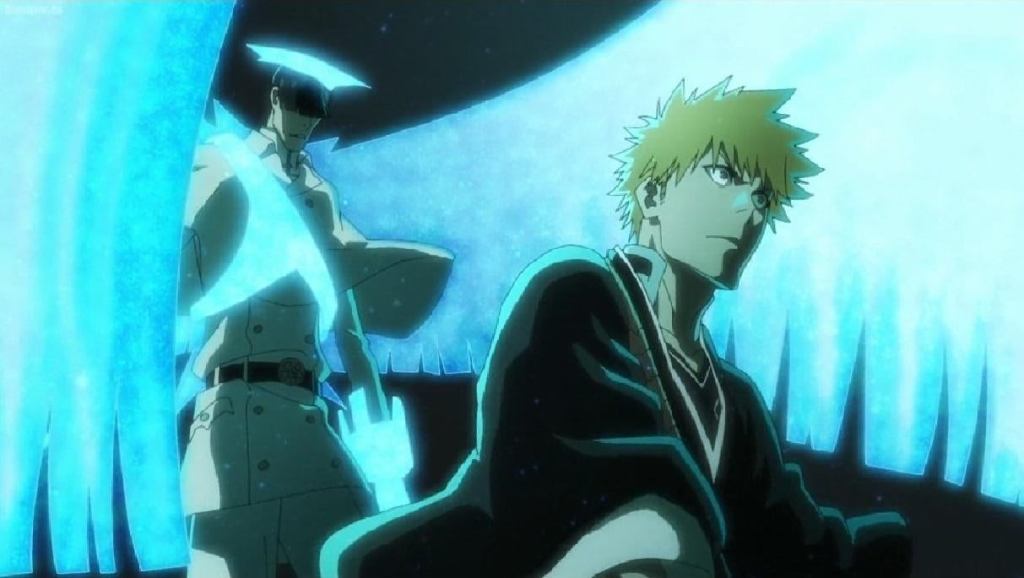
Kubo Tite draws with restraint, and that restraint is exactly why Bleach hits so hard. He’ll use huge blocks of negative space, clean silhouettes, and blunt impact panels so your eye knows where to go immediately. In weekly serialization, messy pages pile up fast, especially once a cast reaches triple digits. Bleach stays readable longer than most of its peers because Kubo designs characters around shape and posture first, then details second. Naruto has iconic designs too, but it also carries more visual noise once you get deep into later transformations and war-scale crowd scenes.
One Piece thrives on exaggeration, yet it can swing into purposeful chaos where “clean” is not the point. Bleach feels like it knows exactly when to be minimal and when to go loud. The anime side backs that up with one of the most distinctive musical identities in long-running shonen. Shiro Sagisu’s score for the TV anime became part of the franchise’s fingerprint, and he returned for Bleach: Thousand-Year Blood War, which began airing in 2022.
That continuity matters because it keeps the series sounding like itself across eras. Then there’s the plain fact of cultural stickiness. People remember Bleach in images: Ichigo’s first Bankai silhouette, the Hollow mask snap-on, the captain lineup, the black-and-white contrast, the typography-heavy title cards. If you’re judging the Big Three on who created the cleanest brand, Bleach takes it.
2. Bleach Has the Most Satisfying Fight Grammar

The Zanpakutō system gives Bleach a combat structure that’s easy to follow and hard to forget. They are staged releases tied to identity, and the story treats them like serious commitments. You learn a sword’s name, you see what it does, and then you watch opponents adapt. Naruto can be brilliantly tactical early, but later it piles systems on systems: chakra natures, kekkei genkai, dōjutsu evolutions, Sage modes, reincarnation lore, and then war-scale spectacle where clarity sometimes takes a back seat.
One Piece is imaginative, but its fights often run on endurance plus creativity, so the “win condition” can feel elastic. Bleach usually gives you a clean turning point you can point to in one sentence, and that’s why so many moments became shorthand in anime culture. Then Bleach gets mean with it. Arrancar Resurrección mirrors the release idea so villains don’t feel like they’re playing a different sport, and the Quincy in Thousand-Year Blood War push the system into outright hostile matchups.
The Quincy Schrifts often behave like conceptual rules, not just bigger explosions, and that forces the Soul Reapers into desperation problem-solving instead of polite escalation. The series also understands limitation as drama. Even when you can criticize the broader power scaling across arcs, the moment-to-moment fight design stays addictive. If your main shonen diet is battles, Bleach feeds you the most concentrated version of what you came for.
1. Bleach Reaches Higher Peaks of Arc Pressure
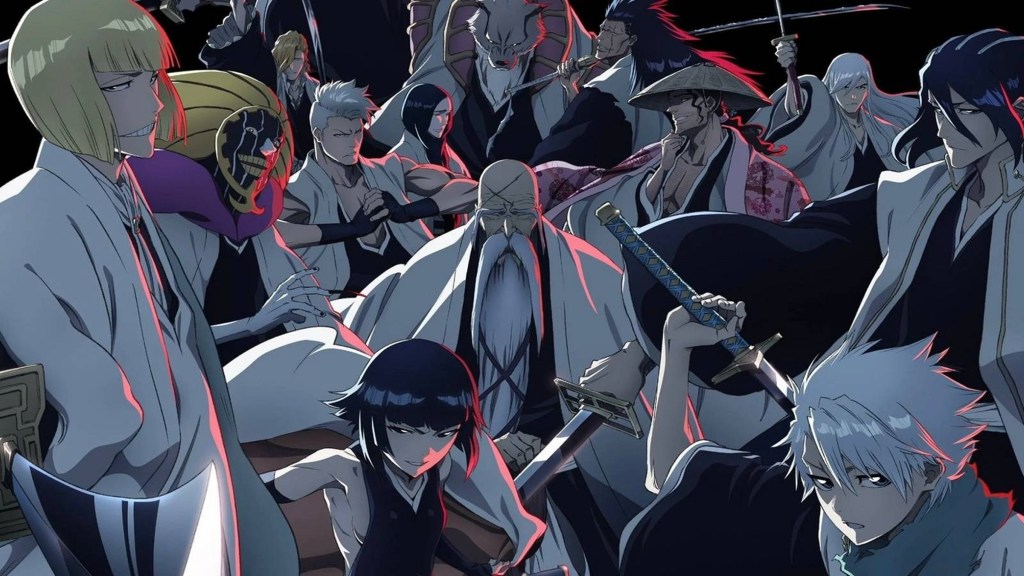
Even if you have criticisms about pacing in parts of the manga’s final stretch, Bleach produces sustained dread and hype in the same arc more reliably than the other two. When you judge the Big Three by their highest-pressure storytelling, Bleach has the nastiest, most memorable ceiling.
The Soul Society arc is widely regarded as Bleach’s defining early peak because it pairs a simple objective with escalating institutional resistance. That arc also delivers one of the series’ most famous factual reveals: Sōsuke Aizen’s betrayal, which recontextualizes the internal conflict and establishes a long-game manipulator as the central threat.
The final saga, Thousand-Year Blood War, aims for a different kind of intensity and it earns points for committing to it. The Quincy return as an organized invading force rather than a scattered villain lineup, and the story frames the conflict as an existential hit to Soul Society’s power structure. Key leaders fall, Bankai get countered or stolen, and familiar “safe” assumptions stop being reliable. That is a concrete tonal difference from many long shonen arcs that rely heavily on tournament structure or gradual conquest.
What do you think? Leave a comment below and join the conversation now in the ComicBook Forum!
More Anime
-
Courtesy of J.C. Staff -

Sega & Warner Bros -
Image Courtesy of Studio Ghibli / Kyoto Animation -

Courtesy of TOHO Animation -

Courtesy of Shueisha