There’s nothing quite like the excitement of starting a new anime that seems destined to blow your mind. The first few episodes hook you with gorgeous animation, intriguing world-building, and characters that feel like they could carry a story to greatness. The opening theme slaps, the pacing feels perfect, and you start thinking, “This might be the next masterpiece.”
Videos by ComicBook.com
But then, like a rollercoaster that suddenly derails halfway through, the series takes a nosedive into mediocrity. Maybe it’s a sudden shift in tone, or perhaps the plot starts unraveling faster than your patience during a filler arc. Either way, you’re left staring at the screen, wondering how something that started so strong managed to fall apart so completely.
5. Tokyo Ghoul
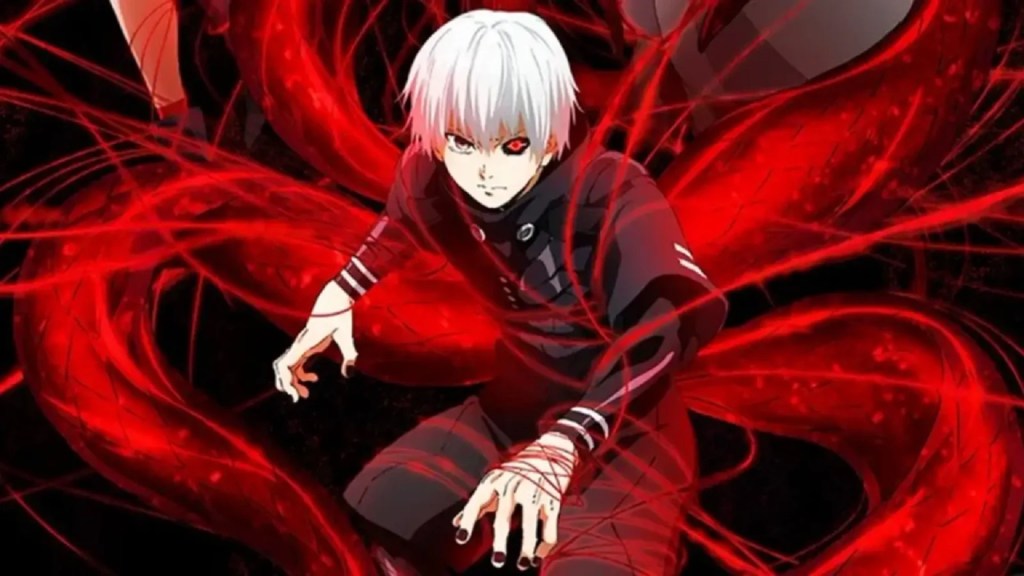
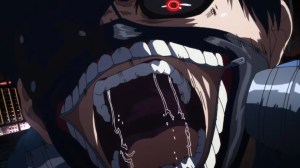
Tokyo Ghoul begins with a gripping premise that hooks viewers almost immediately. Kaneki Ken’s transformation from a timid bookworm into a half-ghoul struggling to adapt to his new identity is both emotionally compelling and horrifying. The show does an excellent job in its first season of exploring themes like identity, morality, and survival in a world where ghouls and humans are locked in a brutal cycle of violence. However, as the series progresses, particularly in Tokyo Ghoul √A (season 2), the narrative begins to unravel. The anime deviates significantly from the manga, introducing confusing plotlines and failing to develop its characters in meaningful ways. Kaneki’s arc, which should have been the emotional backbone of the story, becomes muddled and directionless.
4. Sword Art Online
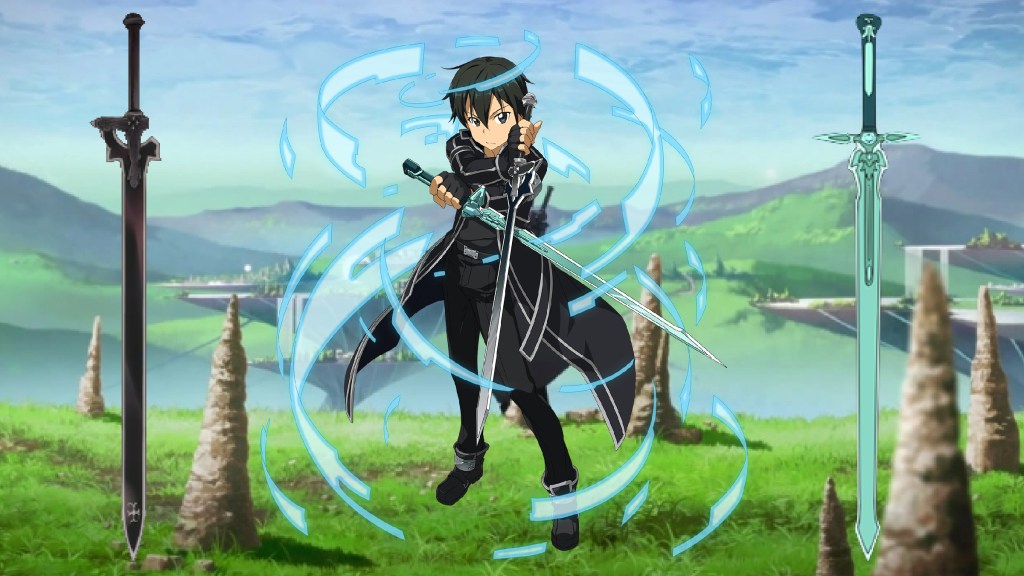
The first arc of Sword Art Online (Aincrad) is undeniably strong. The concept of being trapped in a virtual reality MMORPG where death in the game means death in real life is thrilling, and the stakes are immediately clear. Kirito’s journey as a solo player navigating the dangers of Aincrad is engaging, and the romance between him and Asuna is well-developed and heartfelt. However, after the Aincrad arc concludes, the series begins to lose its focus. The second arc, Fairy Dance, feels like a significant step down in quality. The stakes are lower, the new antagonist (Sugou) is cartoonishly evil, and Asuna, who was previously a strong and capable character, is relegated to a damsel-in-distress role. Subsequent seasons continue to struggle with inconsistent storytelling and character development. While the series introduces new virtual worlds and concepts, they often feel like rehashes of earlier ideas without the same emotional weight.
3. Promised Neverland

The first season of The Promised Neverland is nothing short of a masterpiece. It perfectly balances suspense, horror, and emotional depth as Emma, Norman, and Ray uncover the horrifying truth about Grace Field House and their impending fate. The cat-and-mouse game between the children and their caretaker, Isabella, is masterfully executed, keeping viewers on the edge of their seats. The tension is palpable, and the characters are well-developed, making the stakes feel incredibly high. However, the second season completely derails what could have been one of the best anime of its generation. Key arcs from the manga, such as Goldy Pond, are skipped entirely, robbing the story of some of its most intense and character-defining moments.
The rushed pacing of the second season is its biggest flaw, as it crams what should have been multiple seasons of content into just 11 episodes. Major plot points are glossed over, characters are introduced and discarded without explanation, and the emotional weight of the story is lost in the chaos. The final episode, which includes a poorly executed slideshow montage to wrap up the story, feels like a slap in the face to fans who were invested in the world and its characters.
2. Attack on Titan (Final Season Part 2 and Beyond)
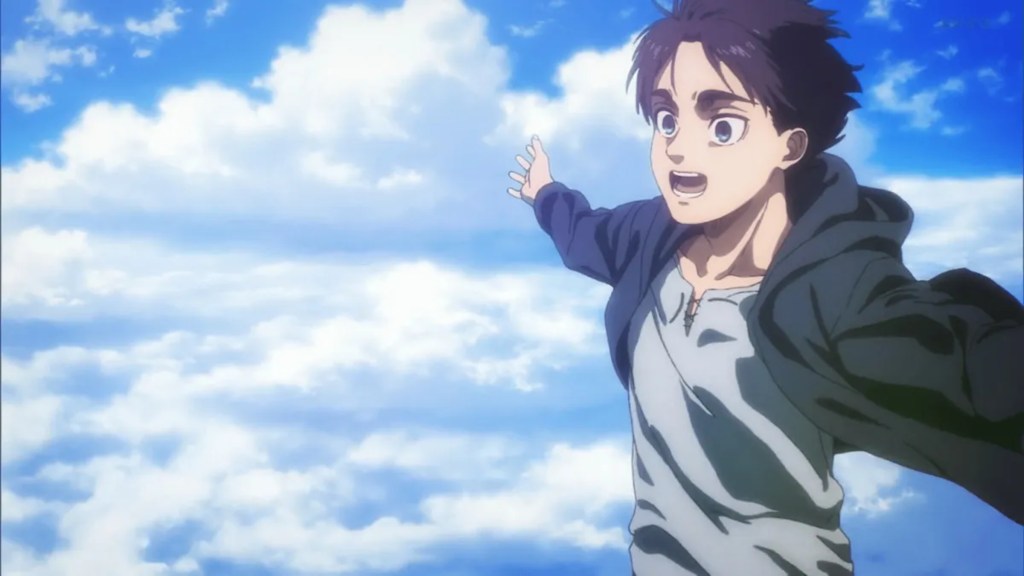
Attack on Titan starts as a gripping and brutal tale of humanity’s struggle for survival against the terrifying Titans. The first three seasons masterfully combine action, mystery, and character development, with shocking twists that keep viewers hooked. The reveal of the truth behind the Titans and the world outside the walls is jaw-dropping, and the series transitions seamlessly from a survival story to a political and philosophical epic. However, as the series reaches its final arcs, particularly in Final Season Part 2 and beyond, the narrative begins to falter. The pacing becomes uneven, with episodes crammed full of exposition that detracts from the emotional impact of key events.
The shift in focus to Eren’s radical transformation and the morally ambiguous Rumbling arc is undoubtedly bold, but it alienates many viewers who struggle to reconcile the protagonist’s sudden turn. The ending of the series, as adapted in Final Season Part 3 (The Final Chapters), is divisive at best.
1. Darling in the Franxx
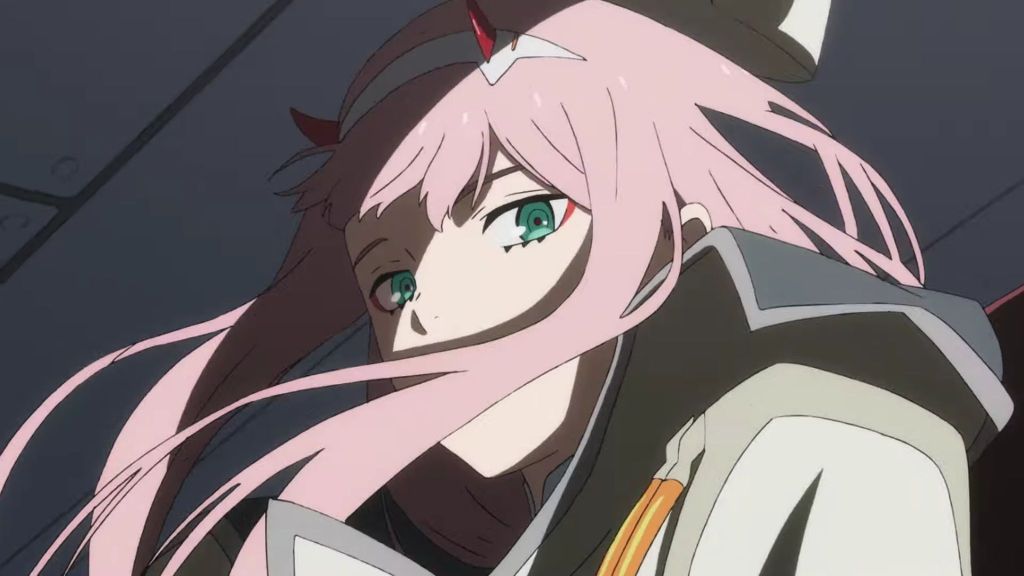
Darling in the Franxx is a prime example of wasted potential. The first half of the series is a compelling mix of sci-fi action, character-driven drama, and romantic tension. The story of the children raised in isolation to pilot giant mechas and fight mysterious creatures called Klaxosaurs is intriguing, and the dynamic between Hiro and Zero Two is both emotional and engaging. The series explores themes of love, identity, and the loss of innocence in a dystopian world, creating a strong emotional core that resonates with viewers. However, as the series progresses, it becomes increasingly clear that the writers don’t know how to tie all the narrative threads together.
The final stretch of Darling in the Franxx is a chaotic mess, introducing poorly explained plot twists and abandoning the grounded emotional storytelling that made the early episodes so compelling. The reveal about the VIRM, an alien species manipulating events from behind the scenes, feels completely out of left field and detracts from the more personal stakes of the story. The series’ attempt to transition into a cosmic-scale conflict is jarring and undermines the character arcs that had been carefully built up.
What do you think? Leave a comment below and join the conversation now in the ComicBook Forum!
Most Viewed
-
Courtesy of Sony Pictures Animation / McDonalds -

Courtesy of Sony Pictures Animation / McDonald's -

Images courtesy of Warner Bros. Pictures -

Courtesy of Viz Media -
Image courtesy of The Pokemon Company -
Image Courtesy of Netflix