Anime has this incredible knack for pretending to be simple before quietly rearranging your brain. People love to dismiss it as bright colors, big eyes, and endless high school hijinks, but somewhere between the explosion of sakura petals and battle screams, it sneaks in philosophy. No other medium can switch from absurd comedy to existential despair in one scene and make both feel natural.
Videos by ComicBook.com
The great irony is that the same art everyone assumes is for children often achieves more emotional honesty than most “serious” adult dramas. Animation in Japan treats introspection as a narrative texture, not a genre. Even the most outlandish fantasy often hides an essay about human fragility underneath. The medium feels freer precisely because it’s underestimated. While people are busy arguing about whether cartoons can be “deep,” anime quietly writes poetry out of pain, connection, and the spaces between words.

7. Paranoia Agent

Satoshi Kon’s Paranoia Agent works as a collective portrait of modern anxiety. Its seemingly disconnected characters, all linked by the mysterious assailant “Lil’ Slugger,” reveal the psychological toll of repression and denial. Every episode shifts tone and perspective, exposing how fear becomes a shared language within a pressured society.
Kon uses surreal storytelling and fractured reality to examine human vulnerability. The show feels strange because it wants you to question what’s real and what’s imagined. It’s both an indictment of social escapism and a study of how individuals create myths to survive their daily lives.
6. Made in Abyss

Made in Abyss follows two children exploring a bottomless chasm filled with wonder and horror. The deeper they go, the more the world tests their courage and innocence. The contrast between its charming art and merciless world makes it unforgettable.
Beneath the adventure lies a reflection on curiosity and the human need to explore, even when discovery demands sacrifice. Each new layer of the Abyss mirrors the cost of obsessive pursuit. It’s stunning to watch but impossible to process without confronting its emotional weight.
5. Neon Genesis Evangelion

Evangelion begins as a mecha series and evolves into one of the most introspective anime ever made. Its battles against monstrous “angels” quickly give way to battles against isolation, depression, and fear of human connection. Every character represents a different facet of emotional self-destruction.
Hideaki Anno’s direction strips the genre to its core. The show questions both its hero and its audience, turning inner turmoil into spectacle. By its final episodes, Evangelion stops being about saving the world and becomes about saving the self. No other anime balances intensity and vulnerability quite like it.
4. Ergo Proxy

Ergo Proxy blends noir mystery with philosophical speculation. In a decaying city where humans and androids coexist under rigid control, a series of murders exposes hidden truths about identity and consciousness. The story unfolds slowly, daring viewers to think rather than guess.
Its appeal lies in its atmosphere and intellectual confidence. The series draws from classical philosophy but grounds those ideas in gritty cyberpunk aesthetics. It’s dense but never hollow, rewarding viewers who value dialogue that challenges assumptions about what it means to be human.
3. Monster

Naoki Urasawa’s Monster is a masterclass in psychological storytelling. After surgeon Kenzo Tenma saves a young boy who grows into a murderer, he becomes entangled in a web of morality and guilt. The series refuses easy answers, asking how far a good person can fall while trying to correct a single mistake.
Every moment feels real and urgent. There are no monsters in the supernatural sense, only the ones society breeds through neglect and moral compromise. The detail and patience in its storytelling produce genuine dread, proving that human evil is the scariest threat of all.
2. Serial Experiments Lain
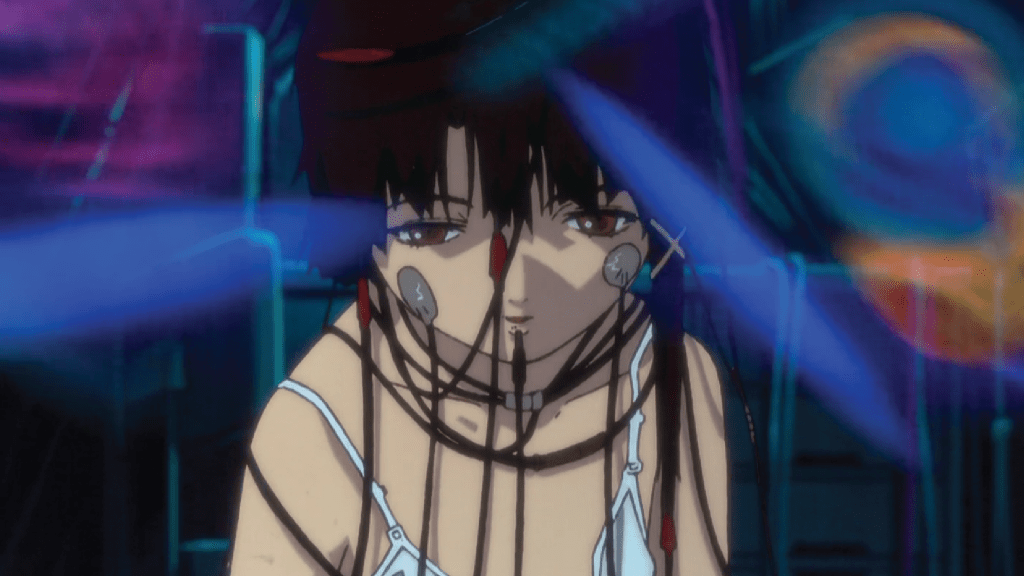
Serial Experiments Lain predicted digital alienation long before social media existed. The story follows quiet, introverted Lain Iwakura as she becomes absorbed into a global network known as “the Wired.” The line between the real and virtual gradually disappears, reflecting how identity fractures under constant connectivity.
It’s hypnotic, confusing, and ahead of its time. Every frame, sound cue, and silence serves a purpose. What feels abstract is emotionally precise once you surrender to it. Rather than providing answers, the show insists you experience its questions about existence firsthand.
1. Mushishi

Mushishi is calm, patient, and profound. Following Ginko, a wandering “Mushi Master,” each episode presents a quiet story about people affected by ethereal life forms called Mushi. These creatures represent nature’s invisible forces, creating situations that test how humans coexist with a living world they barely understand.
Its strength lies in restraint. The series teaches through observation rather than conflict, finding beauty in melancholy and impermanence. Every episode feels like a meditation on balance and forgiveness. Instead of pushing tension, Mushishi invites reflection, leaving you with the rare sense of peace that only comes from true understanding.
What do you think? Leave a comment below and join the conversation now in the ComicBook Forum!
Most Viewed
-
Courtesy of David Production -

Image Courtesy of Marvel Comics