Yu-Gi-Oh! runs on “rule of cool” logic, so a lot of it makes no sense the moment you treat it like a real sport. The biggest head-scratcher is how often a children’s card game is treated like the backbone of society. Of course, the biggest logic gap is how frequently new mechanics, new interpretations, or ultra-specific card interactions appear exactly when the plot needs them.
Videos by ComicBook.com
It is fun, but it is not exactly how competitive games stay healthy. Yu-Gi-Oh! works because it commits to drama first and consistency second, and the audience learns to accept that the real stakes are not the rules. The real stakes are pride, identity, and the spectacle of a clutch topdeck that feels like fate.
7. The Rules of the Game Are Constantly Changing

The rules of Yu-Gi-Oh! have always been a moving target, and it’s absolutely maddening for both new and returning players. The game has gone through multiple iterations of its Forbidden and Limited Lists, rulebook updates, and mechanics introductions, such as Synchro, Xyz, Pendulum, and Link Summoning. These constant changes make it nearly impossible for anyone but the most dedicated players to keep up. Imagine investing time and money into building a deck, only for the meta to completely shift or, worse, for your key cards to be banned outright. It’s like trying to play Monopoly, but you’re told halfway through that hotels are banned and you can only build railroads.
To make matters even worse, the game’s power creep forces older cards into obsolescence. Cards that were dominant staples a few years ago are now laughably weak compared to modern archetypes. This relentless evolution of mechanics and card power creates a high barrier of entry for casual players and alienates those who can’t afford to keep up with the ever-changing meta. Yu-Gi-Oh! might pride itself on being a “strategy” game, but the truth is, it often feels more like a pay-to-win arms race.
6. The Ridiculous Life Point Disparity
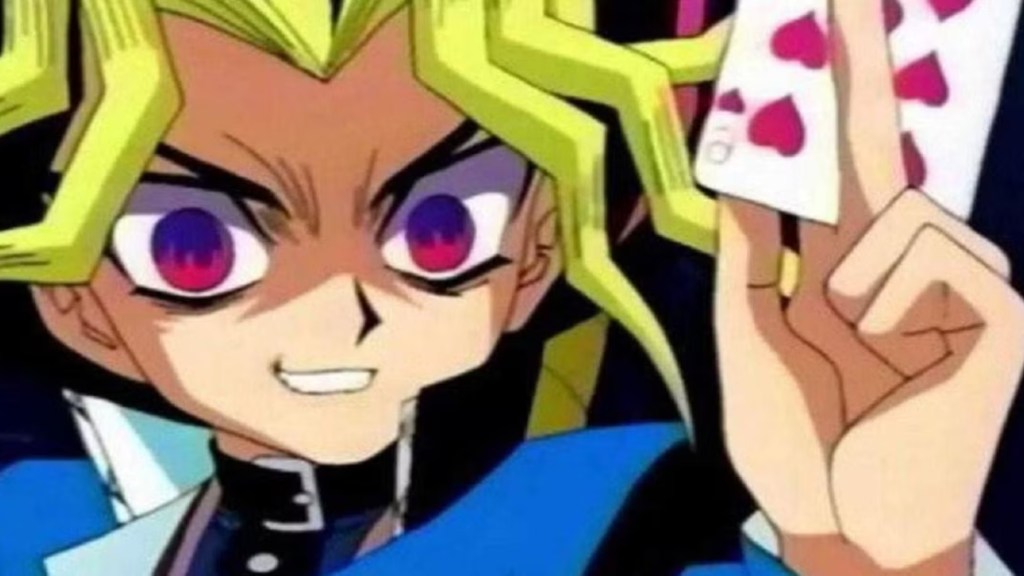
In Yu-Gi-Oh!, every player starts with 8,000 life points, and while that sounds like a lot, games increasingly end in just one or two turns due to the absurd damage potential of modern decks. Cards and combos now exist that allow players to deal upwards of 10,000 damage in a single turn, making life points feel like an arbitrary number rather than a meaningful resource. The idea of a back-and-forth duel, where both players have time to strategize and adapt, has been completely abandoned. Instead, the game now revolves around who can unleash their “FTK” (First Turn Kill) combo faster.
What makes this even more nonsensical is how little life points actually matter beyond the first turn. With so many cards designed to bypass traditional gameplay, like cards that burn your opponent’s life points directly or negate everything they do, the concept of life points as a “buffer” to absorb damage loses all meaning. If the game is going to be this fast-paced, why even bother with life points at all? Why not just make it a one-hit-kill scenario and save everyone the pretense?
5. The Anime vs. Actual Game Disconnect
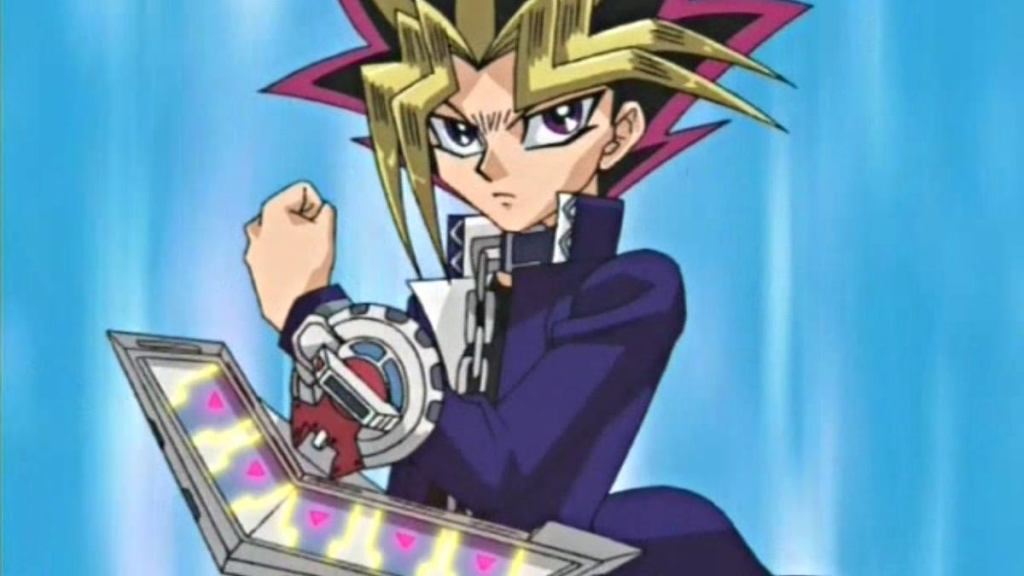
Anyone who grew up watching the Yu-Gi-Oh! anime remembers iconic moments like Yugi summoning Dark Magician to defeat an opponent or Kaiba using Blue-Eyes White Dragon to obliterate the competition. However, if you’ve ever tried translating those epic duels into the real-life card game, you’d quickly realize how nonsensical it all is. The anime takes extreme liberties with the rules, inventing new ones on the fly to suit the drama of the story. Fusion Summons with no Polymerization? Check. Attacking the moon to win a duel? Absolutely. It’s entertaining but completely detached from the actual game.
This disconnect creates unrealistic expectations for new players who were drawn in by the show. The cards that are portrayed as legendary in the anime are often weak or unplayable in the real game. For example, Dark Magician, the franchise’s mascot, is a mediocre card by competitive standards, and without heavy support cards, it’s borderline useless in today’s meta. The anime might inspire fans, but the game itself doesn’t deliver on the same sense of awe and excitement.
4. The Overcomplication of Card Text

Modern Yu-Gi-Oh! cards have become so convoluted that they’re practically unreadable. Many cards now feature walls of text that require players to spend several minutes deciphering what they actually do. This overcomplication is a far cry from the simplicity of the early game, where cards like Pot of Greed had straightforward effects like “Draw 2 cards.” Today, every new archetype seems to come with its own dictionary of mechanics, exceptions, and conditions.
This issue makes the game incredibly inaccessible to newcomers. Trying to figure out what a card like “Drytron Meteonis Draconids” does can feel like reading legal documentation. The sheer complexity of card interactions also leads to frequent misplays, even among seasoned players. It’s hard to enjoy a game when you’re constantly second-guessing whether you’ve interpreted a card’s effect correctly.
3. The Pay-to-Win Problem

Let’s not beat around the bush: Yu-Gi-Oh! is a pay-to-win game, and it’s not even subtle about it. The best decks in the meta are almost always the ones that require you to shell out hundreds of dollars for the rarest cards. Competitive players have no choice but to spend exorbitant amounts of money to stay relevant, as the gap between budget-friendly decks and top-tier ones is enormous. Sure, Konami occasionally releases “structure decks” that are supposed to be affordable, but these are rarely viable in high-level play without significant (and expensive) upgrades.
This pay-to-win model alienates casual players and ensures that only those with deep pockets can consistently compete at the highest level. It’s a shame because there’s so much potential for Yu-Gi-Oh! to be a more balanced and accessible game. Instead, Konami seems more interested in milking its player base for profit, releasing new sets at a breakneck pace and ensuring older cards become obsolete so players are forced to keep spending. It’s a vicious cycle that prioritizes profit over player enjoyment.
2. The Inconsistent Banlist Logic
The Forbidden and Limited List is one of the most controversial aspects of Yu-Gi-Oh! Not only is it updated sporadically, but the logic behind which cards are banned often feels completely arbitrary. Some cards are banned for being “too powerful,” while others with nearly identical effects remain legal. Meanwhile, cards that are universally hated by the community, like Mystic Mine, stick around far longer than they should, while harmless cards are suddenly restricted out of nowhere.
This inconsistency creates frustration and confusion among players. It’s hard to trust a game when its developers seem to lack clear reasoning behind their decisions. The banlist also has the unfortunate side effect of making players feel like their investments are constantly at risk. Why spend hundreds of dollars on a deck when key components could be banned in the next update? Until Konami starts providing more transparency and consistency with their banlist decisions, players will continue to feel like they’re at the mercy of random chance.
1. The One-Turn-Kill Meta

The biggest problem with Yu-Gi-Oh! today is undoubtedly the prevalence of one-turn kills (OTKs). In the current meta, it’s entirely possible to lose the game before you even get a chance to play. Players can now build elaborate combo decks that allow them to summon an entire field of monsters, set up multiple negates, and deal lethal damage—all in a single turn. This makes duels feel less like a strategic battle and more like a race to see who can execute their combo first.
What’s worse is that this hyper-competitive environment has sucked all the fun out of the game for many players. Casual duels are almost impossible to enjoy when even low-tier decks rely on ridiculously complex combos. The game has devolved into a state where creativity is stifled, and victory is determined by who drew the better opening hand. Until Konami addresses the OTK problem, Yu-Gi-Oh! will remain a frustrating and alienating experience for anyone looking for genuine strategy and fun.
What do you think? Leave a comment below and join the conversation now in the ComicBook Forum!
Most Viewed
-

Image Courtesy of Amazon MGM Studios -

Image courtesy of Marvel Studios -

Image courtesy of PerBlue