The Naruto manga is hands-down the superior way to experience the story. Kishimoto’s writing and artwork cut straight to the heart of the narrative, delivering an unfiltered and emotionally charged journey. It’s the Naruto you were meant to experience, without the distractions of bad pacing or awkward additions.
Videos by ComicBook.com
The anime, on the other hand, can feel like a chore to get through at times. Sure, the voice acting, music, and certain fight scenes are great, but they’re buried under mountains of filler and drawn-out moments that kill the momentum. If you want the real Naruto, the manga is where it’s at. The anime? It’s great for the highlights, but it doesn’t hold a candle to the original source material.
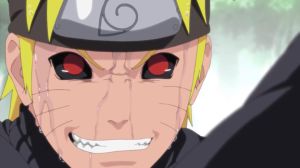
7. The Pacing of the Fourth Great Ninja War
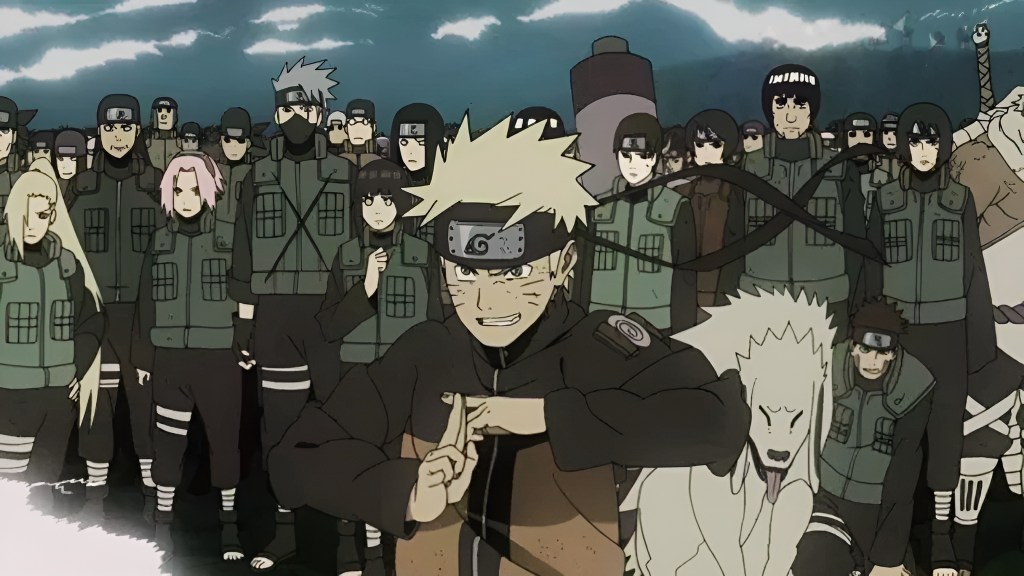
The Naruto manga’s portrayal of the Fourth Great Ninja War feels far more concise and impactful compared to the anime. In the manga, the battles are tightly woven together, with a clear focus on progressing the story without unnecessary distractions. Kishimoto’s art beautifully conveys the intensity of the war, from the desperation of the Shinobi Alliance to the overwhelming threat of Madara and Obito. The pacing ensures that every moment feels crucial to the narrative, keeping readers engaged without unnecessary fluff. In contrast, the anime stretches this arc with an overwhelming amount of filler episodes and drawn-out fight sequences.
6. Madara Uchiha’s Introduction
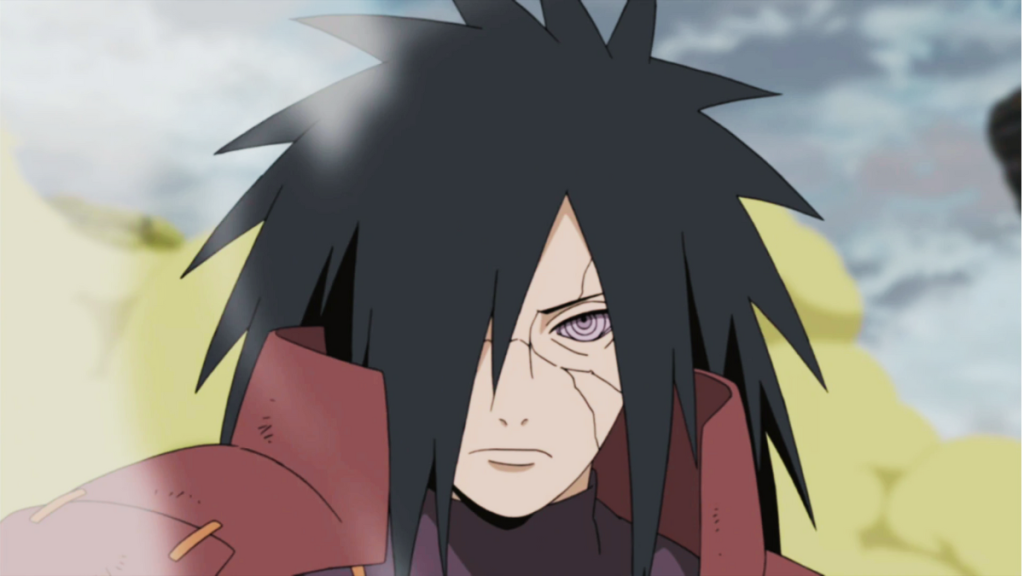
Madara Uchiha’s debut in the manga is nothing short of legendary. The moment he single-handedly annihilates an entire division of the Shinobi Alliance showcases his overwhelming power and solidifies his reputation as one of the greatest villains in the series. The manga frames his entrance perfectly, with sharp, detailed panels that emphasize his dominance and the hopelessness of his enemies. His calm demeanor and brutal efficiency make for a chilling contrast, leaving readers in awe of his capabilities. The anime, while visually impressive, oversells the scene with over-the-top choreography and extended sequences. While the action is undeniably flashy, it loses some of the raw, brutal impact that the manga delivers.
5. The Death of Neji Hyuga

Neji’s death in the manga is a heartbreaking yet poignant moment that perfectly encapsulates the themes of sacrifice and camaraderie. Kishimoto’s decision to kill off such a beloved character is bold, and the manga handles it with emotional precision. Neji’s final words to Naruto and Hinata, alongside the symbolism of his sacrifice, resonate deeply within the context of the story. It’s a brief but powerful moment that carries significant weight.
Unfortunately, the anime stumbles here by adding unnecessary melodrama and drawn-out reactions that detract from the raw emotion of the scene. While seeing the event animated does add an extra layer of tragedy, the pacing feels off, and the impact is somewhat diminished by overexplaining the significance of his death.
4. Naruto and Sasuke’s Final Battle

The climactic battle between Naruto and Sasuke at the Valley of the End is one of the most iconic moments in the series, and the manga delivers it with unmatched intensity. Kishimoto’s artwork perfectly captures the raw emotions, desperation, and mutual respect between the two characters as they clash for the last time. The symbolism of their journey, reflected in their techniques and injuries, is beautifully illustrated in the manga, making it a deeply satisfying conclusion to their rivalry. While the anime provides stunning animation during this fight, it tends to exaggerate certain sequences, making them feel more like spectacle than emotional storytelling.
3. Itachi’s Backstory

Itachi’s tragic backstory is one of the most compelling narratives in Naruto, and the manga delivers it with a perfect balance of heartbreak and revelation. Through Sasuke’s perspective, we uncover the truth of Itachi’s actions, and Kishimoto masterfully weaves a story of love, sacrifice, and redemption. The manga’s pacing ensures that every detail of Itachi’s story feels significant, leaving readers with a profound understanding of his character.
The anime, however, stretches out this backstory with added scenes that, while interesting, dilute the emotional impact of Itachi’s revelations.
2. Jiraiya’s Death
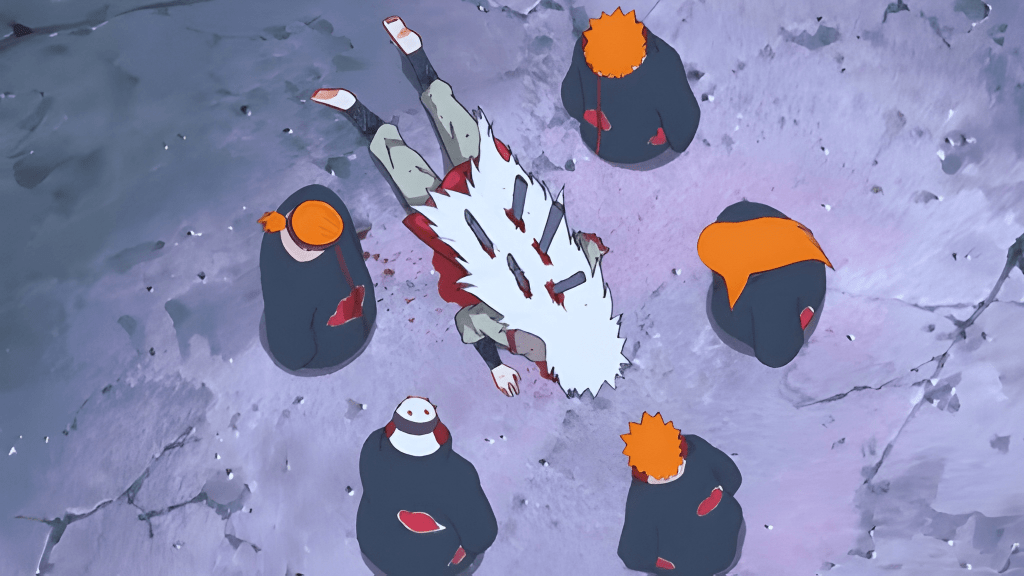
Jiraiya’s death in the manga is a masterclass in emotional storytelling. The buildup to his fight with Pain, the overwhelming odds he faces, and his final moments are handled with incredible care. Kishimoto’s art does a phenomenal job of portraying the pain and determination on Jiraiya’s face, and his farewell message to Naruto is a tear-jerking moment that hits just the right emotional beats.
While the anime does justice to the fight with dynamic animation and music, it falters by overextending certain scenes and adding unnecessary flashbacks. The manga’s concise approach allows Jiraiya’s death to feel more natural and impactful, without the excessive dramatization that the anime sometimes leans on.
1. The Pain Invasion Arc

The Pain Invasion arc is arguably one of the greatest arcs in Naruto, and the manga executes it with near perfection. From Pain’s devastating attack on Konoha to Naruto’s triumphant Sage Mode entrance, every moment is packed with tension and excitement. The manga’s pacing keeps the story tight, and Kishimoto’s art captures the sheer destruction and chaos caused by Pain, as well as Naruto’s growth as a hero. The philosophical clash between Naruto and Pain is also given the spotlight it deserves, making their confrontation deeply thought-provoking.
The anime, despite its impressive animation during certain scenes, is infamous for its uneven art quality during this arc. Moments like Pain’s “Almighty Push” are visually stunning, but some of the fight’s more emotional beats are overshadowed by inconsistent animation and unnecessary filler.
What do you think? Leave a comment below and join the conversation now in the ComicBook Forum!
Most Viewed
-

Courtesy of Sony Pictures Animation / McDonald's -
Courtesy of Sony Pictures Animation / McDonalds -

Images courtesy of Warner Bros. Pictures -
Image Courtesy of Netflix -
Image courtesy of The Pokemon Company -

Image Courtesy of Marvel Comics