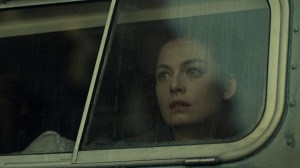
Netflix has been diving into many different forms of entertainment media, and over the past decade or so, it has expanded into live-action adaptations of animated series, anime, and manga. Given the long-standing curse in the entertainment industry, where most live-action adaptations fail, Netflix has surprisingly been nailing its recent projects. One of the biggest successes was undoubtedly the live-action adaptation of the world’s most popular manga right now, One Piece, which is widely considered the adaptation that finally broke the curse of bad live-action remakes.
Videos by ComicBook.com
While One Piece was one of the most anticipated adaptations, another series has been generating massive buzz with its own live-action version, especially considering Hollywood’s previous failed attempt to bring it to life. This series is none other than Avatar: The Last Airbender, the iconic animated show that first aired on Nickelodeon in 2005 and has maintained one of the most dedicated fanbases for nearly two decades. So when its live-action adaptation was announced, fans were understandably worried, given the franchise’s troubled history in Hollywood. However, it’s safe to say that this new live-action version comes as close to the original masterpiece as possible.

Netflix’s Avatar: The Last Airbender Is the Ultimate Example of a Great Live-Action Adaptation
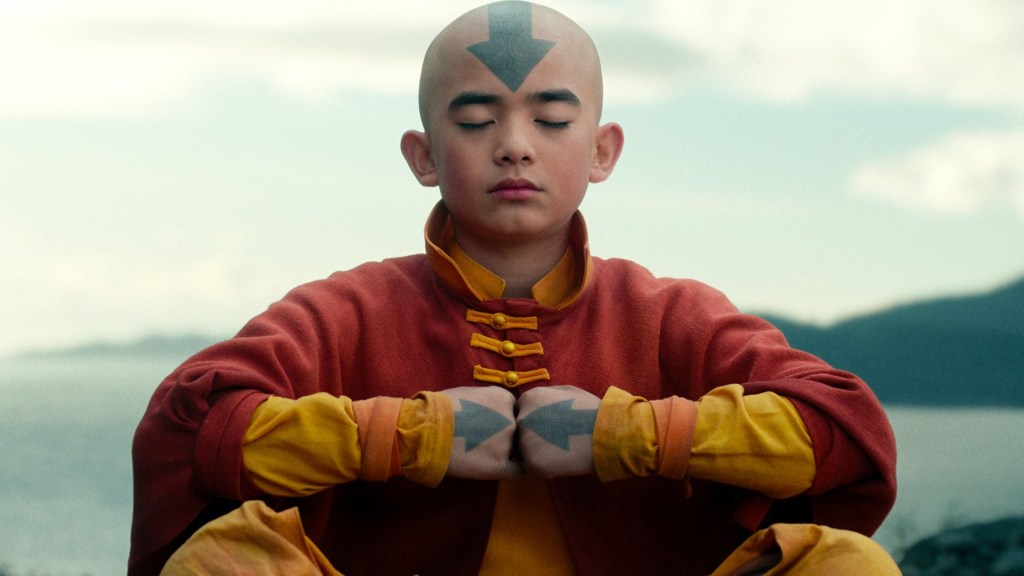
Hollywood’s previous attempt at a live-action adaptation condensed the narrative into a single film while trying to capture the charm of the original. However, the biggest flaw of that adaptation was the whitewashing of characters, which stripped away the authenticity of the animated series and completely missed the point of the story. So, when Netflix announced its live-action adaptation as a series and revealed the cast, it immediately signaled a more faithful and authentic approach. The best part was that this version wasn’t planning to condense the story, instead aiming to adapt the source material as closely as possible.
That doesn’t mean the live-action is a shot-for-shot remake of the animated series. In fact, looking back, the small narrative changes clearly lay the groundwork for future story developments. Another reason this adaptation stands out is how the first season covers all the events from Book 1, which spans around 20 episodes of the original series. Structurally, this made it easy to adapt into Netflix’s eight nearly hour-long episodes without missing anything important.
With advanced technology and CGI, the live-action looks visually striking and far superior to the 2010 film adaptation. However, the best aspect of the series is its casting, which brings a surreal charm that parallels the original. There’s no doubt that the main attraction was Aang, played by Gordon Cormier, who won fans over with the authenticity he brought to this iconic character. The rest of the cast only elevated the source material with their performances. Overall, this live-action adaptation is as good as it could get. That said, the live-action’s strongest point, its main actor, Gordon Cormier, could also become a major factor that leads to the downfall of the second season, which is slated to be released later this year.
Season 2 of Netflix’s Avatar: The Last Airbender Is Already Facing a Major Problem
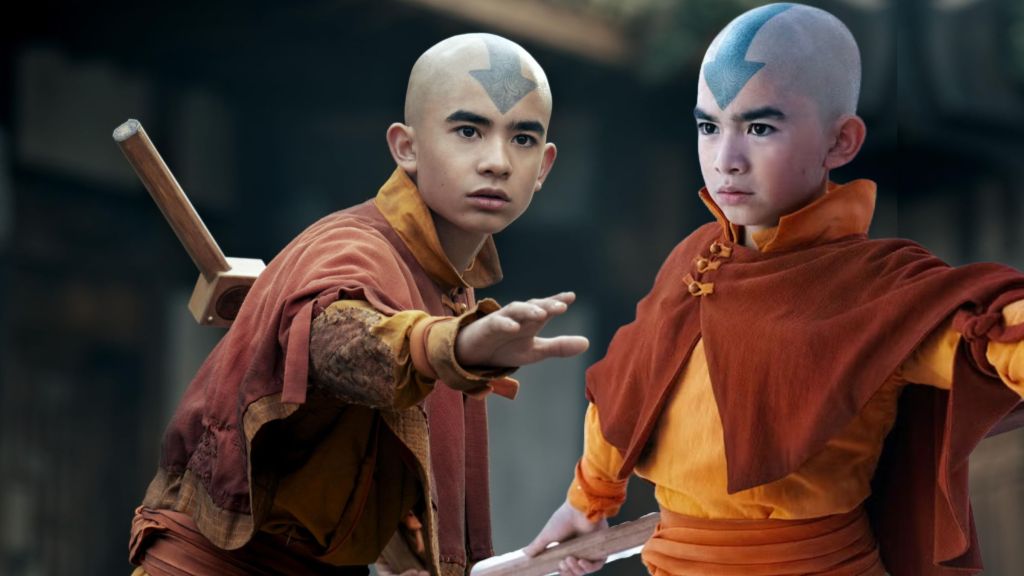
While Season 1 of Netflix’s Avatar: The Last Airbender delivered the best live-action adaptation fans could have hoped for, Season 2 is already facing a major challenge: the natural aging of its actors. For most of the narrative, Aang remains a 12-year-old and only ages by a year near the end of the series, meaning his appearance stays largely the same throughout the major arcs. However, this is becoming a concern, as Gordon Cormier’s natural aging is becoming noticeable. The teaser for the new season already suggests that Aang looks older, no longer resembling the same innocent 12-year-old boy from Season 1.
This will force fans to adjust to the actor’s slightly aged appearance, something diehard fans may not find appealing. With Gordon also entering his most sensitive teenage years, where puberty brings significant changes, there is a chance his voice could mature as well, losing the sweet and innocent tone heard in the first season. This highlights a major problem for long-running live-action adaptations that require multiple seasons: the unavoidable aging of young actors.
This issue is especially concerning for Avatar, where the characters barely age throughout the story. This was an inevitable challenge for Netflix’s adaptation, and it will only become clear how it is handled when Season 2 releases later this year. Will Netflix make narrative changes to address this, or will fans be expected to accept that they are watching the same 12-year-old? We’ll find out when Season 2 arrives later this year.
What do you think? Leave a comment below and join the conversation now in the ComicBook Forum!
Most Viewed
-

Official art by Bastien Lecouffe-Deharme -

A photo of the Retrovolt Arcade taken in 2017, showing several classic arcade cabinets and stools. -

Image Courtesy of Paramount