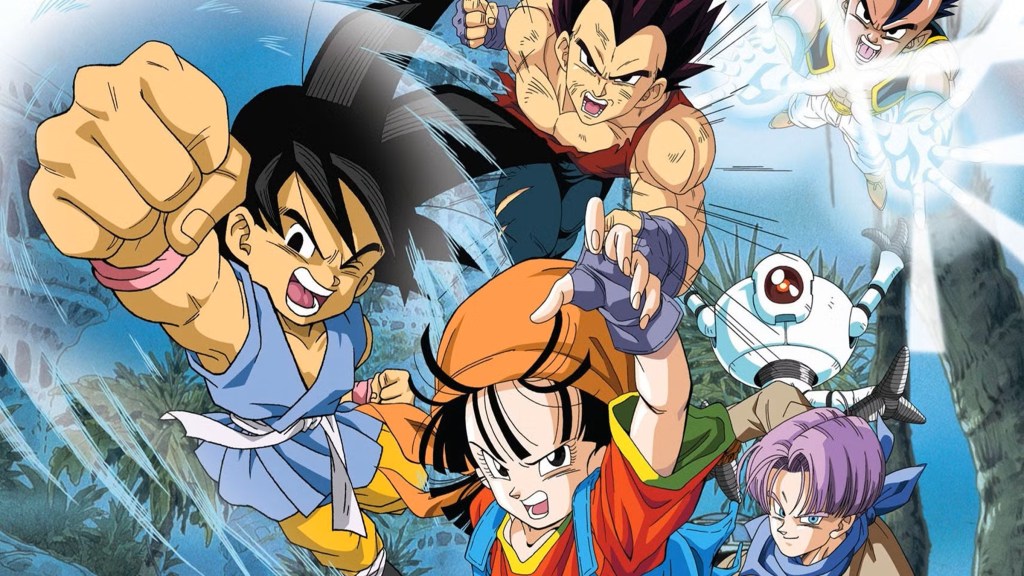
On Feb. 7, 1996, Dragon Ball GT premiered in Japan, and the franchise discovered something it had never really needed to prove before: Dragon Ball could continue without Akira Toriyama steering the story, but it would not feel the same.
Videos by ComicBook.com
GT isn’t a trainwreck, and it isn’t a hidden masterpiece. The show wants the wonder and globe trotting mischief of early Dragon Ball, but it also inherits the expectations of Z, where every problem eventually becomes an apocalyptic fistfight. That push and pull is why GT still sparks arguments three decades later. It is not just that people dislike choices. It is that the series is built from choices that pull in opposite directions.
GT’s reputation as “the polarizing one” is also partly a compliment. Plenty of franchise follow ups are forgettable. GT is not.
Toriyama’s Message Explains GT Better Than Any Review
The most useful piece of GT criticism is not a fan rant or a retrospective video. It is Toriyama himself, in what reads like a cordial DVD box note (and serves as a quiet creative disclaimer).
In a 2005 message, he thanks buyers, jokes about being a “lazy bum,” and admits he was “absurdly happy” to escape manga “Deadline Hell.” Then he says the important part plainly. The TV anime staff wanted to keep going, but he could not do any more than that, so he left Dragon Ball “completely up to the anime staff, story and all.” That was Dragon Ball GT.
You get a sequel made by people who know the world intimately, but you also lose the particular rhythm of Toriyama’s storytelling, especially his comedic timing, his habit of turning a gag into a plot turn, and his gift for making escalation feel effortless rather than mandatory. Toriyama also gets oddly specific about what he did contribute. Title, initial cast, some machines, a few illustrations.
He praises animator Katsuyoshi Nakatsuru for mastering his style so thoroughly that Toriyama sometimes could not tell who had drawn what, and he notes that Nakatsuru designed Super Saiyan 4. That detail matters because it explains why GT can feel visually “right” while narratively feeling slightly out of phase. The show often nails the silhouette of Dragon Ball, then struggles with the rhythm. Toriyama calls GT a “grand side story,” and that is the cleanest label it has ever had. Toriyama calls GT a “grand side story,” and that is the cleanest label it has ever had.
GT is set after the end of Dragon Ball Z and uses the same world. That is why debates about “canon” never really capture the viewing experience. You can treat GT as a separate branch and still understand why it mattered at the time. Later, when Dragon Ball Super arrived and took the spotlight as the primary continuation, GT naturally slid into an alternate path. But in 1996, it was the future, and it had to justify itself under the heaviest possible comparison.
The Big Bet: Kid Goku and the Return of Adventure
GT’s most defining decision is turning Goku back into a kid and sending him on a space spanning hunt for the Black Star Dragon Balls. It was a deliberate attempt to pull the series back toward the playful, exploratory tone of early Dragon Ball. It also signals that the show wants to be a journey again, which matches Toriyama’s own explanation of the “Grand Touring” idea.
The problem is not that the premise is invalid. The problem is that the execution struggles to generate momentum. The early stretch can feel like it is searching for the exact blend of comedy, adventure, and stakes that made the original so breezy. Meanwhile, the audience is carrying Z in their bones, where tension tends to build through clear escalation. GT asks viewers to trade that for episodic wandering, then occasionally asks them to care like it is still Z. Some fans love that throwback ambition. Others experience it as a stall, because the show has not yet earned the slower pace with enough charm or focus.
Why Dragon Ball GT Was Not Well Received
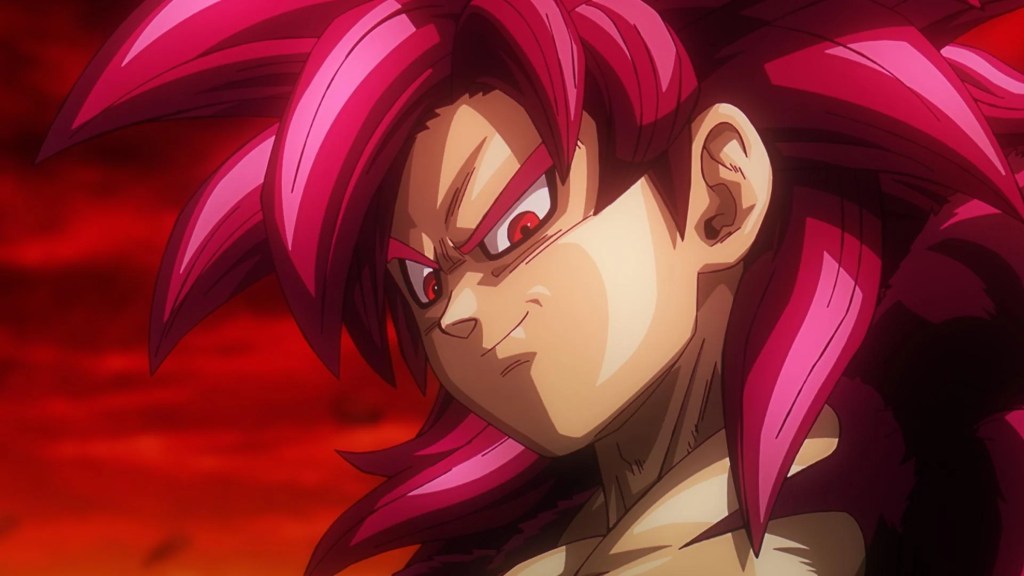
If GT has a stretch that makes its existence feel justified, it is the Baby saga. Baby is not simply another strong opponent. The idea ties directly into Saiyan history through the Tuffles and reframes “Saiyan pride” into something with consequences. The possession element also gives the arc a different kind of tension, because the threat spreads through characters you already care about. It is not only about whether Goku can win. It is about whether the world around him can be recovered.
This is also where Super Saiyan 4 arrives, and it remains GT’s most enduring contribution. SSJ4 looks like a return to something older and wilder, pulling from Great Ape imagery and Saiyan roots. Even people who bounce off GT often admit SSJ4 is a striking idea, and it has stayed alive in games and merchandise for a reason.
GT was always going to be judged harshly. But it also proves that Dragon Ball can survive reinterpretation, but it also proves that continuation is not just a matter of having more enemies to fight. It is a matter of voice. So yes, it is polarizing. But polarizing is not the same as empty. Thirty years after Feb. 7, 1996, GT remains the franchise’s most instructive sequel.
What do you think? Leave a comment below and join the conversation now in the ComicBook Forum!
Most Viewed
-
Image courtesy of Marvel Studios -
Image Courtesy of Marvel Comics